
Hotel Solvay Brussels Opens to Public: A UNESCO Art Nouveau Masterpiece Now Accessible
The Hotel Solvay in Brussels, a UNESCO World Heritage site designed by Victor Horta, has transitioned from a private residence to a public museum, offering international travelers a rare look at Art Nouveau design.

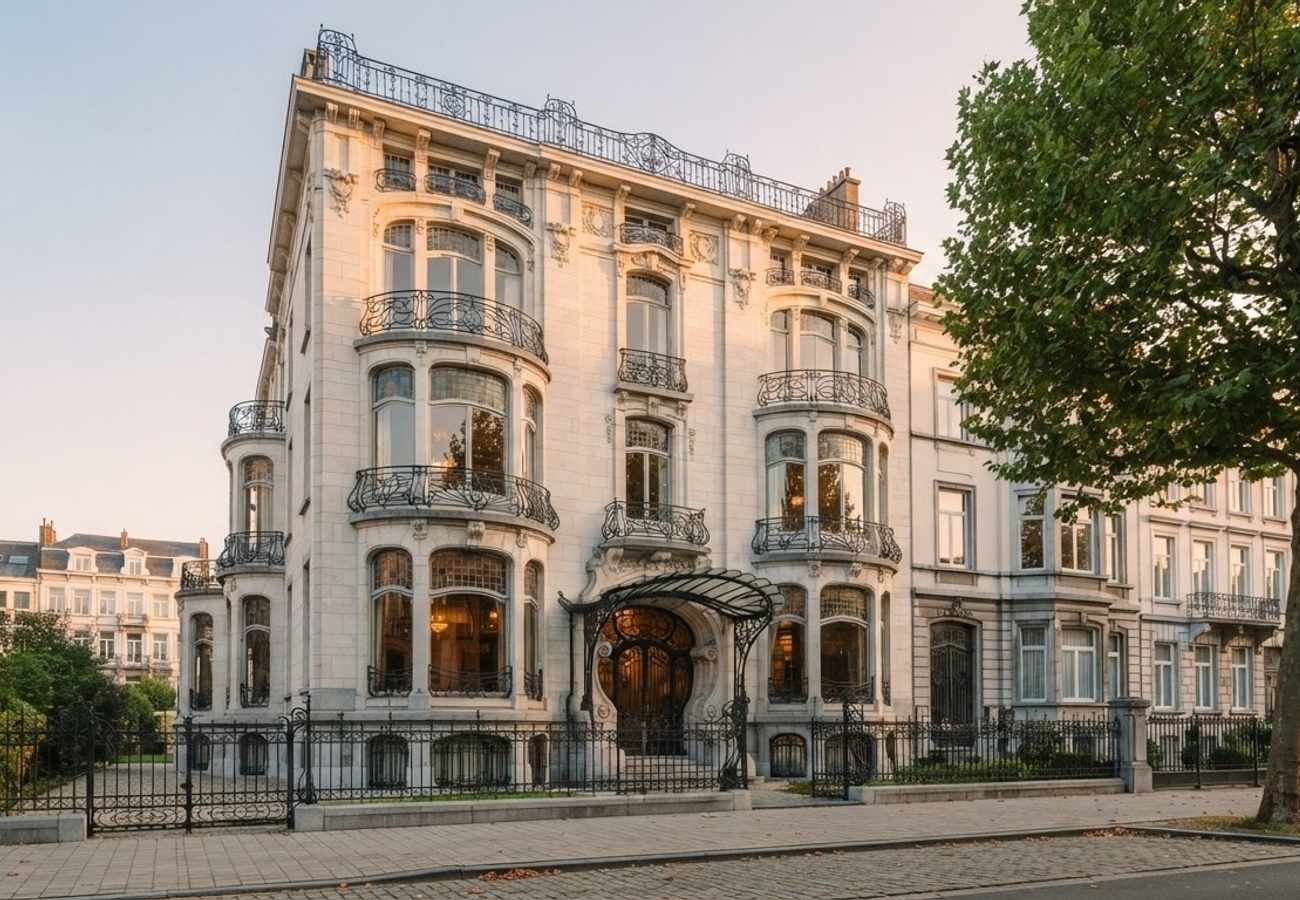
Image generated by AI
The transition of Hotel Solvay from a restricted private estate to a public museum marks a significant shift in Brussels' cultural tourism strategy, granting global visitors access to one of the world's best-preserved Art Nouveau residences.
The doors of Hotel Solvay, a cornerstone of Belgian architectural history, are now open to international travelers. Once a closed sanctuary of design, the property has permanently transitioned into an accessible museum institution. This move allows architecture enthusiasts and history buffs to explore a site that embodies the cultural evolution of Belgium and the revolutionary spirit of late-nineteenth-century European craftsmanship.
Designed and constructed between 1894 and 1903 by the renowned architect Victor Horta for industrialist Armand Solvay, the townhouse is a total work of art. From its intricate wrought-iron flourishes to its elegant stained-glass fixtures, every element was meticulously planned to harmonize architecture with interior decor. Due to this exceptional artistic integrity, the site is a permanent fixture on the UNESCO World Heritage List.
Preservation and the Wittamer Legacy
The survival of Hotel Solvay is credited to the Wittamer family, who purchased the property in 1957 to prevent its demolition. Over three generations, the family maintained the structure, at one point utilizing the premises as a haute couture house to fund the preservation of its delicate original features.
In recognition of this stewardship, the Brussels Region awarded Alexandre Wittamer and his family the Bronze Zinneke. This municipal honor acknowledges the family's role in saving a landmark that would have otherwise been lost to urban redevelopment.
Visitor Access and Logistics
The site is now integrated into the broader Brussels urban marketing campaign to solidify the city's status as the global capital of Art Nouveau. To ensure a streamlined experience for international tourists, the museum has implemented a digital booking system.
Visitor Quick Facts:
- Official Website for Tickets: hotelsolvay.be
- Admission Price: €12
- Opening Date: January 23, 2021
- Key Architect: Victor Horta
- Construction Period: 1894–1903
- Designation: UNESCO World Heritage Site
Site Specifications and Design Elements
| Feature | Detail |
|---|---|
| Architectural Style | Art Nouveau |
| Primary Architect | Victor Horta |
| Original Owner | Armand Solvay |
| Preservation Lead | Wittamer Family |
| Key Materials | Wrought-iron, Stained-glass, Custom Woodwork |
| Status | Public Museum / UNESCO World Heritage |
Why This Matters: Industry Analysis
From a logistical and tourism perspective, the opening of Hotel Solvay is more than just a new museum; it is a strategic "anchor" for high-value cultural tourism. Our analysis suggests this move targets a specific segment of the travel market—the "experiential voyager"—who prioritizes authentic heritage over generic sightseeing.
For travelers on this route, the real impact is the ability to construct a holistic architectural itinerary. By linking Hotel Solvay with other Horta-designed structures, tour operators can now offer comprehensive "Art Nouveau circuits." This creates a ripple effect for the local hospitality sector, increasing the average length of stay in Brussels and driving revenue toward nearby boutique hotels and artisan cafes.
Furthermore, the transition from private ownership to public access provides a sustainable model for heritage preservation. It demonstrates that private stewardship, when aligned with municipal goals, can protect vulnerable urban landmarks from the pressures of modern real estate development.
Forward Outlook
Brussels is expected to continue integrating private historical landmarks into the public sphere to maintain its competitive edge in European urban tourism. We anticipate an increase in the development of "cultural passes" that bundle Hotel Solvay with other UNESCO sites, further simplifying the journey for North American and Asian travelers. The success of this model will likely encourage other European capitals to incentivize the opening of private historic estates to the public.
A rare intersection of private legacy and public accessibility.
Related Travel Guides
Disclaimer
This article is for informational and educational purposes only. It does not constitute legal, financial, or professional advice. While we strive to provide accurate and up-to-date information, travel policies, regulations, and conditions change rapidly. Always verify information with official sources before making travel decisions. Nomad Lawyer makes no representations about the accuracy, reliability, completeness, or suitability of the information provided. Readers should consult qualified professionals for advice specific to their circumstances. The views expressed in this article are those of the author and do not necessarily reflect the views of Nomad Lawyer.
Naina Thakur
Contributor & Travel Specialist
Travel enthusiast and legal writer covering visa regulations, responsible tourism, and cultural journeys across global destinations.
Learn more about our team →