
UMusic Austin Hotel & Private Residences: How a 71-Acre Luxury Resort Merges Live Music, Wellness, and Conservation
Austin's newest luxury hospitality project combines 150 hotel rooms, 600 branded residences, and an amphitheater on 71 acres while preserving 70% green space and advancing sustainable tourism in Texas.

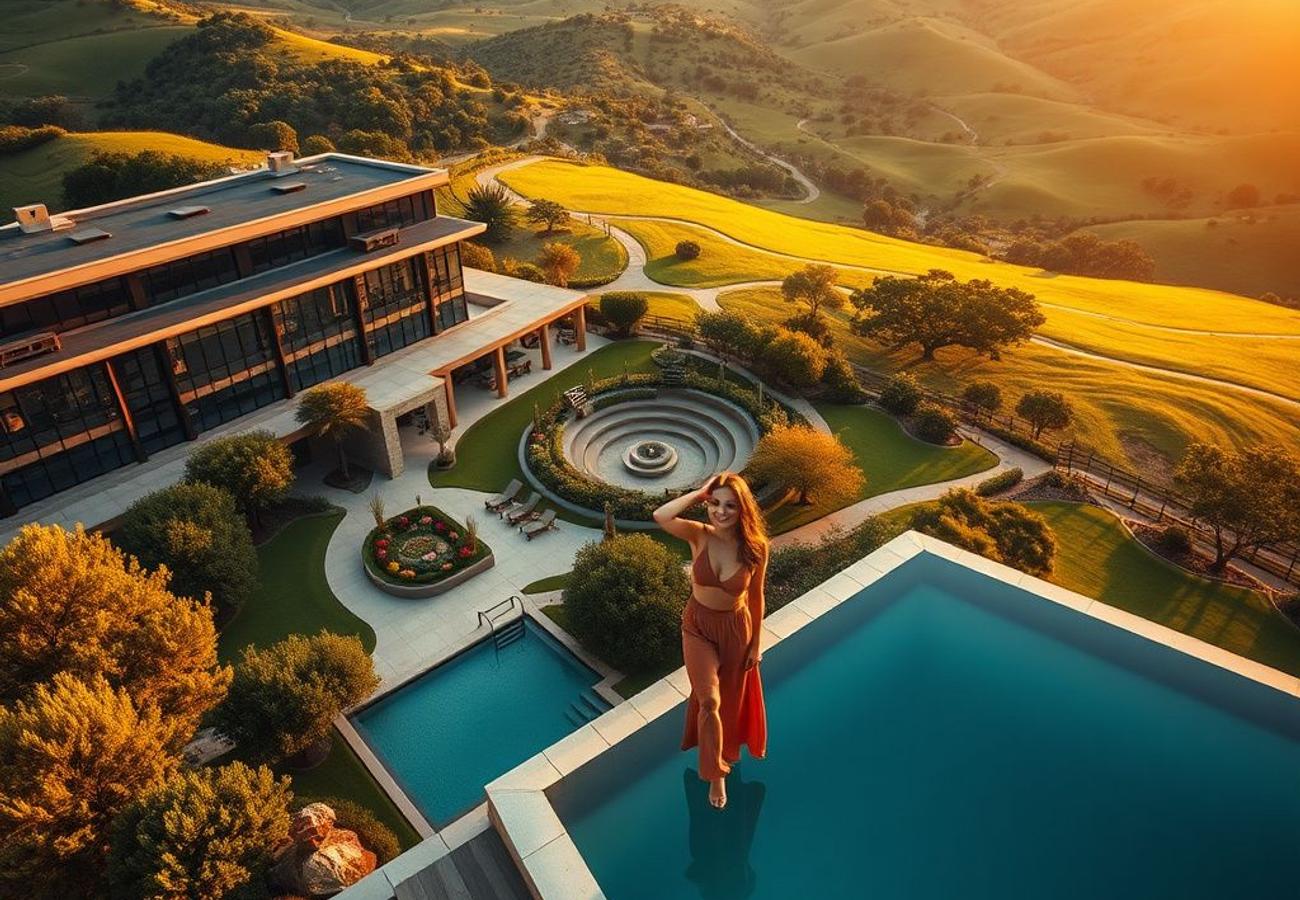
Image generated by AI
Austin's Most Ambitious Hospitality Project Arrives: Music, Wellness, and Conservation Unified
Austin, Texas — the self-proclaimed "Live Music Capital of the World" — is about to redefine what luxury hospitality looks like. The UMusic Hotel & Private Residences Austin isn't just another resort. It's a 71-acre ecosystem where cultural production, residential living, and environmental stewardship collide in ways that could reshape how experiential travel works in America.
I've tracked hospitality trends across the country for years, and this project stands out as genuinely transformative. Here's what you need to know.
The 71-Acre Vision: Where Green Space Meets Gold Standard Hospitality
The numbers alone tell part of the story: 150 hotel rooms, approximately 600 private residences, and a commitment that more than 70 percent of the 71-acre site will remain green open space. That's not hospitality-as-usual. That's a deliberate choice to build density without destroying what makes Austin worth visiting in the first place.
The White Rocks Amphitheater anchors the entire development as an open-air performance venue carved into the natural Texas Hill Country landscape. This isn't a contained indoor space — it's architecture in conversation with geology. Official project materials confirm that live music performances, community events, and artist residencies will operate continuously, reinforcing Austin's cultural identity while generating revenue streams that justify the conservation commitment.
Reddit: "Finally, a major resort that doesn't pave over everything. Austin's at a crossroads — this could be the model for how cities actually grow." — r/travel
The Hybrid Hospitality Model That's Reshaping Luxury Real Estate
Here's where UMusic gets interesting for both travellers and investors. The development introduces a fully integrated hospitality-residential hybrid that's gaining momentum globally but remains rare in the United States.
You've got 150 traditional hotel rooms operating on standard nightly rates. But then you've got roughly 600 branded private residences — essentially luxury homes that come with hotel-level services. Residents own or lease their properties but gain access to concierge services, curated cultural programming, shared wellness amenities, exclusive dining, and direct access to performance venues and recording studios.
This model solves a problem that's been plaguing luxury markets: how do you attract high-net-worth individuals who want ownership but also crave convenience? Answer: give them both. The branded residence trend has exploded globally as hotels realized property owners spend more and stay longer than transient guests.
Sustainability Isn't Marketing Here — It's Infrastructure
What struck me most while researching this project is how thoroughly sustainability is embedded into the bones of the development. This isn't a "we plant one tree for every guest" greenwashing exercise.
The design philosophy includes:
- 70 percent natural green open space maintained within the project boundaries
- Underground infrastructure systems to minimize visual disruption and ecosystem fragmentation
- Water reuse systems and microgrid energy infrastructure for operational sustainability
- Dark-sky compliance measures protecting nocturnal wildlife and astronomical visibility
- Low-impact architectural planning prioritizing biodiversity within the Texas Hill Country ecosystem
These aren't afterthoughts. They're foundational design decisions that directly influenced site planning, building placement, and operational protocols. Austin's city planning frameworks have increasingly prioritized conservation-focused tourism development, and the Hill Country's ecological sensitivity has become a genuine liability for poor projects.
Cultural Economy Integration: The Real Revenue Driver
Here's what separates this from a standard resort-residential hybrid: the cultural infrastructure.
The project integrates recording studios, performance venues, a comedy club, curated dining experiences, and artist residency programming directly into its operational core. This isn't entertainment as supplementary amenity — it's the economic engine.
Live performance partnerships with local musicians, educational institution collaborations, and community artist funding pathways are expected to generate continuous cultural content that drives guest attraction, extends average stay length, and creates measurable community benefit beyond tourism economics.
Wellness Meets Creativity: Redefining the Modern Resort Experience
UMusic positions wellness not as spa-and-fitness supplementary service but as a integrated ecosystem complementing artistic engagement.
Facilities include longevity centres, specialized fitness studios, spa programming, and outdoor movement spaces designed to work with the creative atmosphere rather than against it. You're not choosing between a yoga class and a live concert — you're experiencing them as integrated components of intentional living.
This reflects a genuine shift in how luxury hospitality is being designed. Wellness used to be optional. Now it's foundational.
Why Austin, Why Now, Why This Matters
Austin isn't randomly chosen. The city functions as a convergence point:
- Technology hub with significant venture capital and innovation infrastructure
- Cultural capital with genuine live music credibility (not manufactured)
- Rapidly expanding tourism sector generating consistent demand for experiential accommodation
- Texas Hill Country providing natural landscape authenticity that complements urban energy
- Development momentum creating investor confidence and regulatory pathway clarity
The project strengthens Austin's position as a global cultural destination while demonstrating a replicable model for how modern cities can grow without destroying what makes them valuable.
The Practical Details for Travellers
If you're considering booking rooms or purchasing residences, here's what matters:
The hotel component (150 rooms) will operate on standard nightly rates with direct performance venue access. Pricing will likely position in the luxury-plus segment given the integrated amenities and cultural programming.
The residential component (600 units) targets property investors, primary residence buyers, and second-home owners seeking hospitality-integrated ownership. Pricing models haven't been publicly released, but comparable branded residence developments in major cultural hubs command premium valuations.
Opening timeline and specific booking details remain under development. Official announcements are expected as construction milestones progress.
What This Means for Hospitality's Future
The UMusic Austin project isn't just news — it's a template. It demonstrates that luxury hospitality can be profitable, culturally generative, environmentally responsible, and genuinely integrated into community life simultaneously.
In an industry often criticized for environmental externalities and cultural extraction, this model suggests an alternative. Whether that alternative becomes standard or remains exceptional depends on how successfully UMusic executes over the next decade.
Austin's hospitality identity just got more interesting.
The future of luxury travel isn't about bigger rooms or newer tech — it's about genuine cultural integration and ecological responsibility.
Related Travel Guides
Disclaimer
This article is for informational and educational purposes only. It does not constitute legal, financial, or professional advice. While we strive to provide accurate and up-to-date information, travel policies, regulations, and conditions change rapidly. Always verify information with official sources before making travel decisions. Nomad Lawyer makes no representations about the accuracy, reliability, completeness, or suitability of the information provided. Readers should consult qualified professionals for advice specific to their circumstances. The views expressed in this article are those of the author and do not necessarily reflect the views of Nomad Lawyer.
Raushan Kumar
Founder & Lead Developer
Full-stack developer with 11+ years of experience and a passionate traveller. Raushan built Nomad Lawyer from the ground up with a vision to create the best travel and law experience on the web.
Learn more about our team →