
Hotels Scandic Group Completes Dalata Acquisition as Leadership Transitions Begin
Scandic Hotels Group moves closer to finalizing its acquisition of Dalata Hotel Group in 2026, with leadership transitions signaling deal completion. CEO and deputy leadership commit through merger closure.

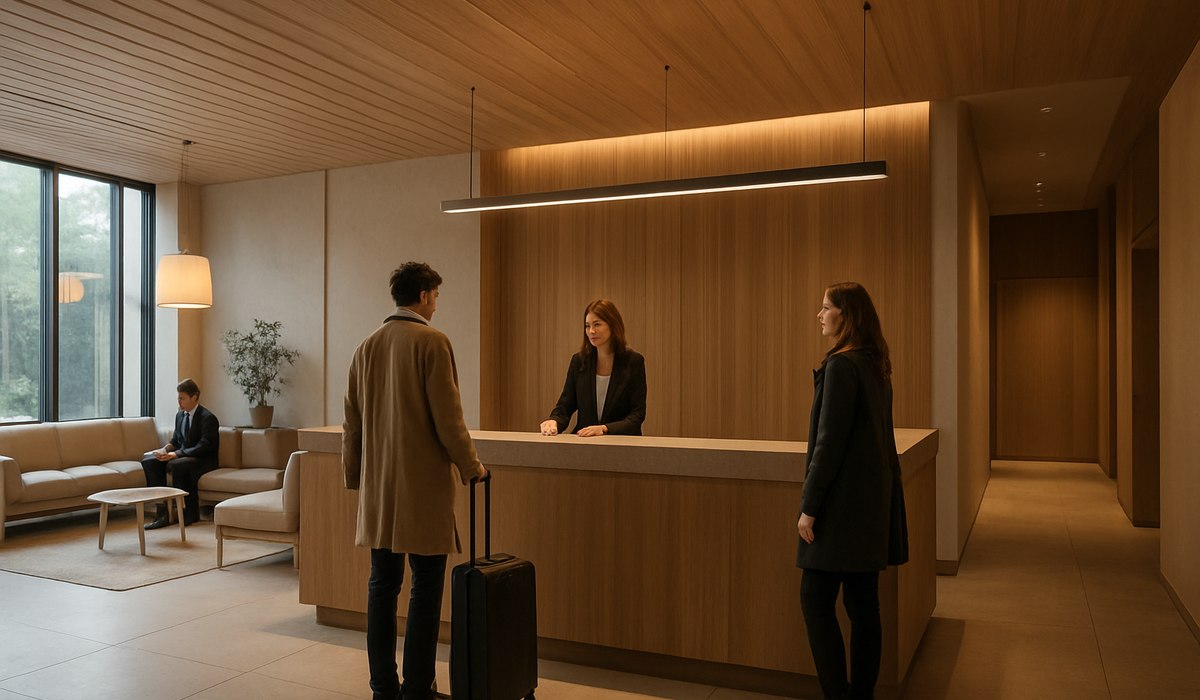
Image generated by AI
Scandic Hotels Group Inches Toward Dalata Acquisition Completion
Scandic Hotels Group is accelerating toward the finish line of its transformative acquisition of Dalata Hotel Group, one of Ireland's largest independent hotel operators. Leadership announcements released Thursday confirmed that current executive management will remain in place through deal closure, providing continuity during the critical integration phase. The strategic merger represents a significant consolidation in the European hotel landscape, combining Scandic's Nordic expertise with Dalata's expanding Irish and European portfolio.
The commitment from Dalata's chief executive and deputy signals confidence in the transaction's imminent completion. Rather than departing immediately post-acquisition, both executives have pledged to shepherd the combined entity through transition phases, ensuring operational stability across hundreds of properties and thousands of employees across both organizations.
Deal Timeline: When Leadership Changes Signal Completion
Leadership transitions in major hotel acquisitions typically telegraph the expected deal closing date. By confirming that Dalata's executive team will remain through merger completion—but not beyond—stakeholders gain visibility into the anticipated timeline. Industry analysts interpret such announcements as indicators of a deal expected to finalize within the next 12-18 months.
Hotels Scandic Group's acquisition strategy focuses on consolidation within undervalued European markets where regional operators maintain strong local credentials. Dalata's portfolio of over 100 properties across Ireland, the UK, and continental Europe aligns perfectly with this expansion thesis. The leadership retention clause ensures that Scandic gains access to local market expertise and operational relationships that would be difficult to replicate through external hires. Read more about European hotel market consolidation trends.
Strategic Implications for European Hotel Market
The hotels scandic group and Dalata merger reshapes competitive dynamics across Europe's mid-market hospitality sector. Scandic operates approximately 280 properties throughout Nordic and Baltic regions, while Dalata controls over 100 establishments primarily in Ireland and the UK. The combined entity will command roughly 380 properties, creating a powerhouse capable of competing with larger international chains.
This consolidation addresses a critical market gap: independent regional operators struggle to achieve the scale necessary for technology investment, loyalty program sophistication, and direct-to-consumer booking infrastructure. By joining forces, both companies unlock economies of scale in procurement, revenue management systems, and distribution channels. The merger also enables cross-investment in properties across both networks, with Scandic's Nordstjernan ownership backing capital expenditure programs. Explore more on hotel market consolidation strategies.
What This Means for Dalata Investors and Employees
Dalata shareholders have approved the transaction and stand to benefit from Scandic's premium valuation multiple. The acquisition price reflects confidence in both companies' growth trajectories and the synergistic value creation potential. For institutional investors holding Dalata shares, the deal provides liquidity and exposure to a larger, more geographically diversified hotel operator.
Employees across both organizations face a period of organizational realignment, though leadership retention through closure suggests management will prioritize workforce stability. Redundancies are inevitable in post-merger integration, but the two-year transition window provides time for redeployment and natural attrition. Scandic's reputation as a progressive Nordic employer with strong employee engagement scores suggests cultural integration will emphasize inclusion over radical restructuring.
Scandic's Growth Strategy in Ireland and Beyond
Ireland represents a high-growth hospitality market with increasing international travel demand and robust domestic tourism. Dalata's established brand portfolio—including Clayton Hotels, Maldron Hotels, and Mint Hotel—provides Scandic immediate market presence and customer loyalty infrastructure. Rather than rebranding properties, Scandic likely will preserve local brand identities while implementing group-level operational standards and technology platforms.
The combined hotels scandic group entity will pursue selective expansion across continental Europe, leveraging Scandic's relationships with institutional investors and Dalata's M&A expertise. Beyond Ireland and the UK, opportunities exist in Germany, Poland, and the Baltics, where mid-market positioning creates growth runways. Scandic's capital-light, asset-light operating model—increasingly prevalent among European hospitality groups—will likely extend to Dalata properties, converting owned real estate into managed contracts where economically advantageous. Find booking options on Booking.com.
Key Deal Metrics and Timeline
| Metric | Details |
|---|---|
| Acquiring Company | Scandic Hotels Group (Nordstjernan-backed) |
| Target Company | Dalata Hotel Group (Ireland's largest independent operator) |
| Combined Property Count | Approximately 380 hotels across Nordic, Baltic, UK, and Irish markets |
| Dalata's Current Portfolio | 100+ properties including Clayton, Maldron, and Mint brands |
| Scandic's Current Portfolio | 280+ properties across Nordic and Baltic regions |
| Leadership Retention | Dalata CEO and deputy commit through deal closure |
| Expected Completion | 2026-2027 based on leadership transition signals |
| Market Implications | Creates competitive mid-market European hotel operator |
What This Means for Travelers
Hotel guests will experience significant benefits from the Scandic Hotels Group's consolidation with Dalata over the coming years. Here's what travelers should anticipate:
-
Enhanced Loyalty Rewards Integration: Scandic Circle loyalty members will gain access to additional Dalata properties across Ireland and the UK, expanding earning and redemption opportunities without switching programs.
-
Technology Standardization: Expect modernized digital booking systems, mobile check-in capabilities, and unified customer service standards across all properties within 18-24 months post-close.
-
Consistent Room Quality: Scandic's rigorous property standards will gradually upgrade Dalata's room inventory and amenities, ensuring guests experience improved bedding, bathroom fixtures, and smart room technology.
-
Better Pricing Power: Consolidated purchasing across 380 properties will gradually reduce rates at comparable properties through operational efficiency gains passed to consumers.
-
Expanded Meeting and Events Services: Combined expertise will elevate conference facilities and group travel capabilities, particularly in Dublin, Cork, and Belfast.
-
Improved Staff Training: Scandic's world-class training programs will elevate service standards, particularly in luxury and lifestyle properties converting to Scandic management.
Frequently Asked Questions
When will the Scandic Hotels Group and Dalata merger officially close?
Based on leadership transition announcements, industry analysts expect the deal to complete in late 2026 or early 2027. Regulatory approvals and integration planning timelines typically require 12-18 months from announcement to closure. Leadership remaining through completion suggests management confidence in this timeframe.
Will Dalata hotel brands disappear after the acquisition?
No. Scandic has committed to preserving Dalata's Clayton, Maldron, and Mint hotel brands. These regional brands carry valuable customer loyalty and market positioning. Scandic will maintain multi-brand portfolio strategies across all markets it operates in.
How will this affect room rates at Dalata properties?
Short-term rates likely remain stable as the companies integrate systems. Long-term, operational efficiencies should gradually reduce operating costs, potentially lowering rates. Conversely, upgraded amenities may justify slight rate premiums at renovated properties.
Which locations will see the most hotel development post-merger?
Dublin, Cork, Galway, and Belfast will likely see accelerated expansion as Scandic pursues growth in high-demand Irish cities. UK expansion, particularly in secondary cities, will also accelerate as the combined entity achieves critical mass.
Related Travel Guides
Disclaimer
This article is for informational and educational purposes only. It does not constitute legal, financial, or professional advice. While we strive to provide accurate and up-to-date information, travel policies, regulations, and conditions change rapidly. Always verify information with official sources before making travel decisions. Nomad Lawyer makes no representations about the accuracy, reliability, completeness, or suitability of the information provided. Readers should consult qualified professionals for advice specific to their circumstances. The views expressed in this article are those of the author and do not necessarily reflect the views of Nomad Lawyer.
Raushan Kumar
Founder & Lead Developer
Full-stack developer with 11+ years of experience and a passionate traveller. Raushan built Nomad Lawyer from the ground up with a vision to create the best travel and law experience on the web.
Learn more about our team →