
Hotel Association of India Hosts 7th Hoteliers’ Conclave in New Delhi September 18 2026
The Hotel Association of India gathers policymakers and industry leaders at the Taj Palace on September 18, 2026, to re-engineer hospitality through AI and sustainability.

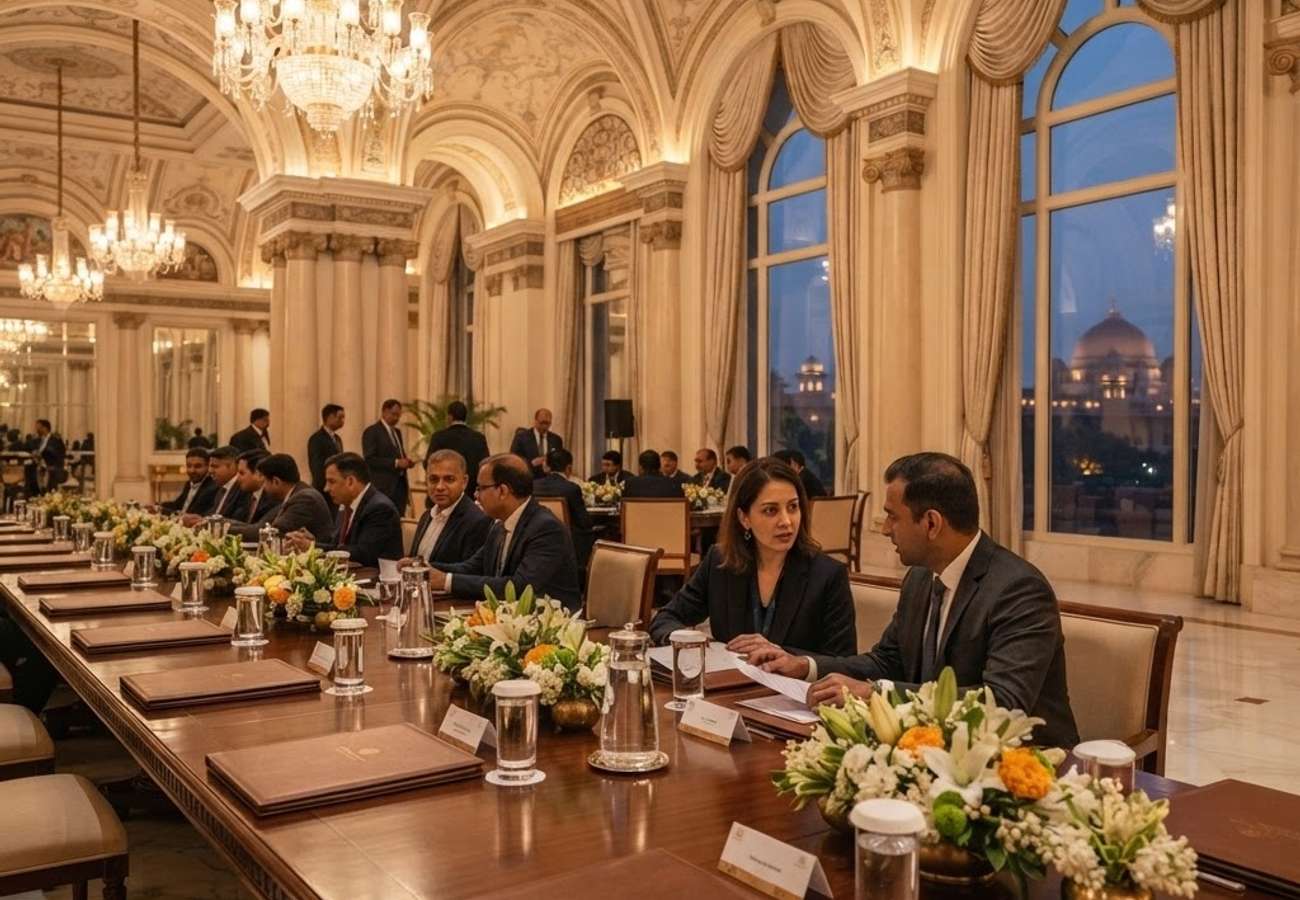
Image generated by AI
The Hotel Association of India is convening the 7th Hoteliers’ Conclave on 18 September 2026 at the Taj Palace, New Delhi, to overhaul traditional service models for a digital-first era.
The event, themed ‘Re-engineering Hospitality,’ marks a strategic pivot for the sector as it integrates artificial intelligence, sustainable operations, and a diversified tourism portfolio to meet the demands of the modern global traveler.
The Shift Toward Re-engineered Hospitality
India's hotel sector is moving away from legacy service models. The 7th Hoteliers’ Conclave serves as a critical junction where the Hotel Association of India (HAI)—the apex body established in 1996—aligns industry capabilities with national tourism ambitions. The shift is driven by a new class of travelers who prioritize hyper-personalization, seamless digital interfaces, and ethical operational footprints.
For the visitor, the real impact is a transition from standardized stays to experience-driven journeys. Hotels are no longer just accommodation providers; they are becoming economic anchors that stimulate local transport, retail, and entertainment ecosystems. This evolution is particularly evident in the rise of MICE (Meetings, Incentives, Conferences, and Exhibitions) and the explosive growth of destination wedding tourism, which are pushing luxury infrastructure beyond traditional metropolitan hubs into regional heartlands.
Integrating AI and Human-Centric Service
A primary focus of the New Delhi gathering is the deployment of Artificial Intelligence. While AI is being leveraged to optimize revenue management and automate routine guest interactions, the industry faces a delicate balancing act. The goal is to utilize technology to enhance efficiency without eroding the cultural warmth and personal touch that define Indian hospitality.
Key technological priorities include:
- Demand Pattern Analysis: Using AI to predict seasonal shifts and guest preferences.
- Personalization: Tailoring guest experiences through data-driven insights.
- Operational Automation: Streamlining check-ins and concierge services to reduce friction.
Cultural Value and Inclusive Growth
The conclave extends beyond profit margins to address the social fabric of the industry. A significant portion of the agenda is dedicated to talent acquisition and inclusion, specifically the empowerment of women in hospitality. By widening the leadership pipeline and creating sustainable career pathways, the sector aims to solve the chronic talent shortages that often hinder rapid tourism expansion.
From an environmental perspective, the "re-engineering" process involves adopting sustainable practices that protect the very heritage sites that attract international visitors. This alignment with regional conservation goals ensures that growth does not come at the cost of ecological degradation.
Event Logistics and Key Figures
The event brings together a high-level coalition of government officials and industry titans to ensure that policy matches practice.
| Detail | Information |
|---|---|
| Date | 18 September 2026 |
| Venue | Taj Palace, New Delhi |
| Theme | Re-engineering Hospitality |
| Inaugurator | Tourism Minister Gajendra Singh Shekhawat |
| Key Attendees | Bhuvnesh Kumar IAS (Secretary Tourism), Amitabh Kant, Suman Billa, Kapil Dev |
Visitor Insider Tips
For those traveling to New Delhi during the September window or exploring the city's hospitality scene:
- Weather Window: September is a transition month from the monsoon to autumn. Expect humidity; lightweight, breathable fabrics are essential for business travel.
- Cultural Etiquette: When visiting luxury heritage hotels, a "smart casual" dress code is generally preferred. In formal settings, traditional Indian attire is highly respected and welcomed.
- Dining Specialty: While at the Taj Palace or surrounding areas, seek out Awadhi cuisine—specifically the Galouti Kebab—which represents the pinnacle of refined Indian hospitality.
- Off-Peak Exploration: To avoid the New Delhi traffic gridlock, use the Delhi Metro for transit between the airport and the central business district, or schedule movements for early morning (before 8:00 AM).
Tourism Outlook
The long-term trajectory for Indian hospitality is one of resilience and diversification. By focusing on wellness, culinary tourism, and heritage stays, the industry is insulating itself against the volatility of traditional business travel. The 7th Hoteliers’ Conclave signals that the sector is no longer reacting to trends but is actively designing the future of the visitor experience in South Asia.
The future of Indian travel lies in the balance between high-tech efficiency and high-touch humanity.
Related Travel Guides
Disclaimer
This article is for informational and educational purposes only. It does not constitute legal, financial, or professional advice. While we strive to provide accurate and up-to-date information, travel policies, regulations, and conditions change rapidly. Always verify information with official sources before making travel decisions. Nomad Lawyer makes no representations about the accuracy, reliability, completeness, or suitability of the information provided. Readers should consult qualified professionals for advice specific to their circumstances. The views expressed in this article are those of the author and do not necessarily reflect the views of Nomad Lawyer.
Naina Thakur
Contributor & Travel Specialist
Travel enthusiast and legal writer covering visa regulations, responsible tourism, and cultural journeys across global destinations.
Learn more about our team →