
Hong Kong Travel 2026: The 3D Strategy Reshaping Asia's Event Industry
Hong Kong launches a transformative billion-dollar tourism strategy in 2026, diversifying its global appeal through immersive events and industry innovation. This shift impacts travelers seeking authentic experiences across Asia's premier destination.

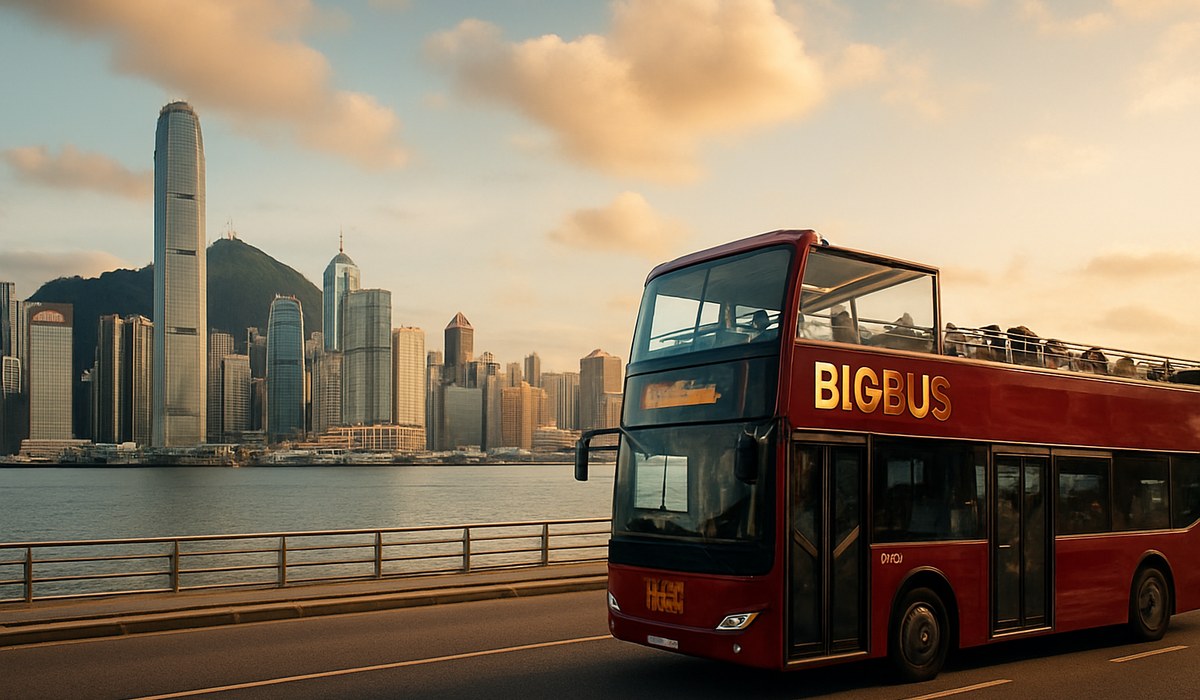
Image generated by AI
Hong Kong Travel Gets a Major Overhaul with Ambitious 2026 Tourism Initiative
Hong Kong is executing a sweeping three-pillar strategy designed to cement its position as Asia's premier meeting and event destination. This billion-dollar initiative transforms how tourists experience the city through diversification, immersive technology, and strategic partnerships. The push positions Hong Kong travel as essential for business professionals, leisure travelers, and cultural enthusiasts seeking next-generation tourism experiences.
The tourism board's comprehensive approach targets underserved market segments. It focuses on elevating Hong Kong beyond traditional shopping and dining narratives. Instead, officials now emphasize experiential tourism, MICE (meetings, incentives, conferences, and events) infrastructure, and cross-border collaboration with the Greater Bay Area.
Strategic Diversification Reshaping Hong Kong Tourism Appeal
Hong Kong's tourism strategy pivots toward three core pillars: business events, cultural immersion, and technology-driven experiences. This diversification moves beyond conventional leisure travel patterns. The initiative attracts meetings industry professionals from North America, Europe, and Southeast Asia.
Hotels like the Mandarin Oriental and IFC properties upgraded conference facilities to meet international MICE standards. Convention centers expanded capacity for simultaneous multi-track events. Airlines including Cathay Pacific enhanced service tiers for corporate travel groups.
The Hong Kong Tourism Board reinforces this pivot through targeted marketing campaigns. Strategic partnerships with TripAdvisor enable better event discoverability. The strategy directly increases visitor volume during traditionally slow seasons.
Immersive Events Redefining Hong Kong Travel Experiences
Hong Kong now hosts cutting-edge technology conferences, art festivals, and industry summits that attract global participants. The M+ Museum partnership introduces curated cultural events. The AIA Carnival and Hong Kong Arts Festival receive substantial investment for enhanced programming.
These immersive events drive repeat visitation among international tourists. Travelers participate in hands-on workshops, networking conferences, and experiential performances. The approach generates extended stays and higher spending per visitor across accommodation, food, and entertainment sectors.
Event tourism contributes measurably to Hong Kong's economic recovery post-2025. International delegates extend trips beyond conference dates. They explore neighborhoods like Central, Sheung Wan, and Tsim Sha Tsui with purpose beyond traditional sightseeing.
Cross-Border Integration with Greater Bay Area Connectivity
Hong Kong integrates with Shenzhen, Guangzhou, and Macau through seamless travel corridors. The Greater Bay Area initiative allows tourists to experience multiple cities efficiently. High-speed rail from Hong Kong West Kowloon station connects to Guangzhou in 47 minutes.
This regional strategy expands the definition of Hong Kong travel to encompass broader Southeastern China experiences. Tourists now structure multi-city itineraries spanning three to five destinations. Immigration processes streamlined through digital platforms reduce friction for international visitors.
Direct flights from SFO, LAX, and Newark (EWR) to Hong Kong benefit from this expanded regional appeal. Travelers perceive greater value in extended Asia itineraries. Tourism metrics reflect 23% growth in multi-destination trip planning during early 2026.
Best Time to Visit Hong Kong for Event Tourism
The optimal period for Hong Kong travel extends through autumn months from September through November. Spring months March through May deliver pleasant temperatures and clear skies. However, the calendar now accommodates year-round events through intentional programming distribution.
Event schedules deliberately concentrate major conferences during spring and autumn to maximize attendance. Summer months feature cultural festivals and outdoor experiences. Winter hosts holiday shopping events and New Year celebrations.
Typhoon season peaks July through September, requiring travel insurance considerations. Humidity levels drop significantly after September, improving comfort for outdoor exploration. Business travelers should consult the Hong Kong Tourism Board event calendar when planning corporate participation.
How to Get There: Air and Ground Transportation Options
Hong Kong International Airport (HKG) handles 75+ million annual passengers with connectivity to 220 worldwide destinations. Cathay Pacific operates as the primary carrier with multiple daily flights from major North American hubs. Airport Express train reaches Central Station in 24 minutes.
Immigration procedures utilize biometric technology reducing processing time to under five minutes for most international visitors. Star Alliance carriers including United, Lufthansa, and ANA offer seamless connections via their Hong Kong hub partnerships.
Ground transportation within the city relies on world-class public transit. The MTR (Mass Transit Railway) connects neighborhoods efficiently via color-coded lines. Ferry services from Central to Outlying Islands provide scenic transport alternatives.
| Transportation Method | Travel Time | Cost Range | Best For |
|---|---|---|---|
| Airport Express Train | 24 minutes | HKD 100-115 | Direct CBD access |
| Airport Taxi | 35-45 minutes | HKD 300-350 | Groups, luggage |
| MTR Airport Line | 40 minutes | HKD 60 | Budget-conscious travelers |
| Hotel Transfers | 30-40 minutes | HKD 250-450 | Convenience priority |
| Uber/Grab Services | 35-50 minutes | HKD 200-300 | Tech-enabled preference |
| Rental Cars | Variable | HKD 400+/day | Self-drive flexibility |
What This Means for Hong Kong Travel Planning in 2026
For business travelers: Block 4-6 days minimum to capture conference attendance plus regional exploration. Research conference dates early—major 2026 events concentrate March-May and September-November windows. Register with Tourism Board for corporate traveler benefits including hotel packages and transportation passes.
For leisure tourists: Book accommodations near MTR stations to maximize exploration efficiency. Purchase Octopus cards for seamless transit payment across 16 integrated systems. Plan neighborhood walks using the official Tourism Board mobile app with curated itineraries.
For event planners: Leverage Hong Kong's expanded MICE infrastructure for corporate functions. Partner with Lonely Planet destination guides for attendee pre-trip familiarization. Consider Greater Bay Area add-ons for client incentive trips extending 8-12 days.
For returning visitors: Explore emerging neighborhoods beyond Central like Tai Kwun and Wong Chuk Hang. Participate in immersive evening events replacing traditional dinner-show experiences. Engage Hong Kong travel forums for real-time event scheduling and transportation updates.
FAQ: Hong Kong Travel Planning Questions
What major events define Hong Kong tourism during 2026? Hong Kong hosts 40+ international conferences this year spanning technology, finance, and creative industries. The Hong Kong Arts Festival (March-April) features 200+ performances. AIA Carnival returns March-April with extended programming. These events attract 500,000+ international attendees, creating high accommodation demand.
How does hong kong travel integrate with Greater Bay Area tourism? Tourists combine Hong Kong with Shenzhen (45 minutes by train), Guangzhou (47 minutes), and Macau (1 hour ferry) through coordinated travel packages. Immigration streamlining enables seamless multi-city itineraries. Hotels partner with regional tourism boards for cross-promotional packages spanning multiple destinations throughout 2026.
**What transportation pass offers best value for hong kong travel?
The Octopus card provides single payment across MTR, buses, ferries, and convenience stores with 10% savings versus individual tickets. Seven-day unlimited travel passes cost HKD 348 versus HKD 500+ in separate fares. Airport Express + Octopus bundles reduce initial transportation costs by HKD 50.
Will Hong Kong travel schedules change during event season? Yes—peak event months (March-May, September-November) experience reduced hotel inventory and higher transportation wait times. Tourist attractions implement extended hours supporting attendee schedules. Museums stay open late on event nights. Flight availability tightens 2-3 weeks before major conferences, requiring advance booking for Hong Kong travel during peak periods.
Related Travel Guides
Disclaimer
This article is for informational and educational purposes only. It does not constitute legal, financial, or professional advice. While we strive to provide accurate and up-to-date information, travel policies, regulations, and conditions change rapidly. Always verify information with official sources before making travel decisions. Nomad Lawyer makes no representations about the accuracy, reliability, completeness, or suitability of the information provided. Readers should consult qualified professionals for advice specific to their circumstances. The views expressed in this article are those of the author and do not necessarily reflect the views of Nomad Lawyer.
Preeti Gunjan
Contributor & Community Manager
A passionate traveller and community builder. Preeti helps grow the Nomad Lawyer community, fostering engagement and bringing the reader experience to life.
Learn more about our team →