
Rail Romania Hitachi Modernizes Ciulnita Station Signalling System
Hitachi Rail deploys advanced TAS Platform digital signalling technology at Ciulnita station in Romania, 2026. The upgrade replaces legacy SELMIS system after 20 years, modernizing southeastern European rail infrastructure.

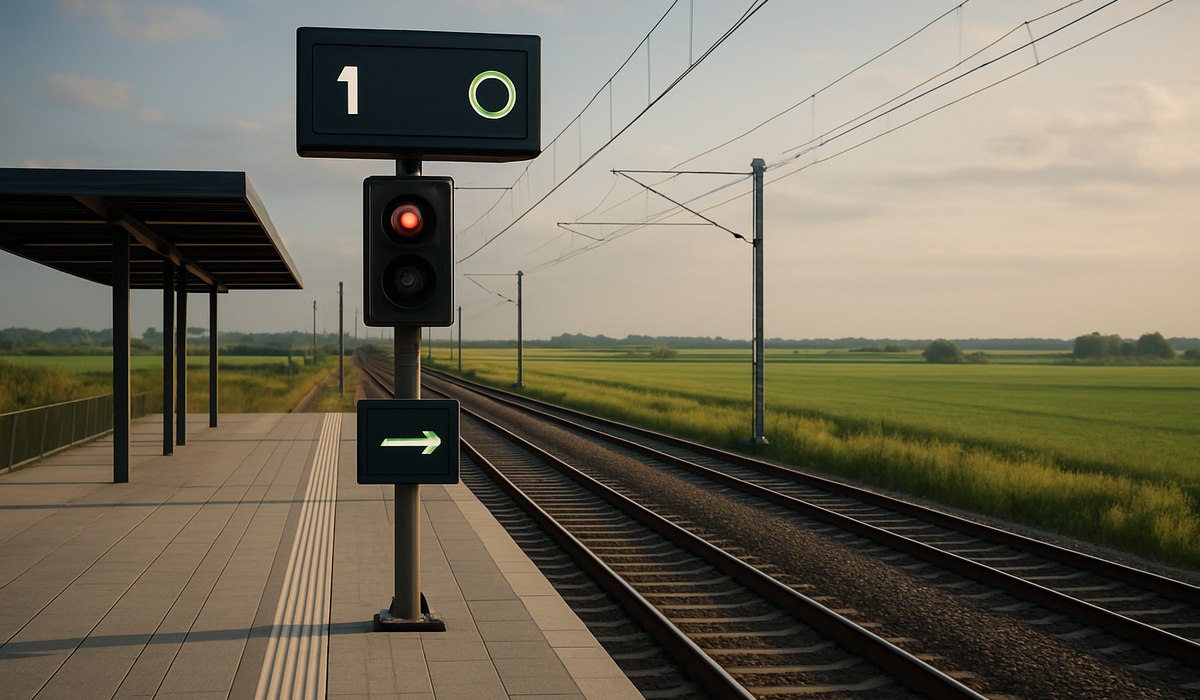
Image generated by AI
Hitachi Rail Deploys Next-Generation Signalling Technology in Romania
Hitachi Rail has successfully deployed cutting-edge digital signalling technology at Ciulnita station in Romania, marking a significant modernization milestone for southeastern European rail infrastructure. The new TAS Platform replaces the legacy SELMIS system, which operated reliably for two decades before retirement. Located in Ialomița County within the Muntenia region, Ciulnita station serves as a critical junction connecting regional rail networks across southeastern Romania and facilitating cross-border train operations throughout the Balkans.
This infrastructure upgrade represents Romania's continued investment in railway technology modernization, aligning with European Union standards for digital rail systems. The transition occurred smoothly, with minimal service disruption to passengers traveling through this vital transportation corridor.
Hitachi's Digital Signalling Upgrade in Romania
The TAS Platform represents a generational leap forward in railway signalling architecture. Unlike the previous SELMIS system, which relied on conventional relay-based technology, the new platform integrates cloud connectivity, real-time data analytics, and automated train control mechanisms. These advancements enhance operational safety, increase network capacity, and reduce maintenance costs through predictive diagnostics.
Hitachi Rail's implementation focused on seamless integration with existing Romanian rail infrastructure. The company conducted extensive testing protocols to ensure compatibility with current rolling stock and scheduling systems. Installation teams worked during scheduled maintenance windows to prevent passenger service interruptions. The deployment included comprehensive staff training programs for station operators and maintenance personnel responsible for system oversight and troubleshooting.
For travelers, these improvements translate into improved punctuality, enhanced safety protocols, and more frequent train services. Real-time signalling data enables dispatchers to optimize train scheduling, reducing delays caused by congestion or equipment failures. Visit Hitachi Rail's official infrastructure solutions page for technical specifications.
TAS Platform Replaces Legacy SELMIS System
The SELMIS platform, deployed two decades earlier, established a reliable foundation for Ciulnita station operations throughout the 2000s and 2010s. However, aging infrastructure increasingly struggled with capacity demands from growing passenger volumes and freight operations. Component obsolescence created supply chain challenges, forcing maintenance teams to source replacement parts from specialized industrial suppliers at premium costs.
The TAS Platform transition addresses these limitations comprehensively. Modern signalling systems support higher train frequencies, enabling operators to schedule additional services without expanding track infrastructure. Digital architecture provides remote monitoring capabilities, allowing technicians to diagnose problems from centralized control centers rather than requiring on-site inspections. Automated fault detection systems trigger preventive maintenance alerts, preventing catastrophic equipment failures and extending asset lifespan.
The upgrade cost represents a worthwhile investment in long-term operational efficiency. Romania's railway authority estimates that enhanced capacity alone will accommodate 30 percent more daily trains within five years. Environmental benefits emerge through optimized routing, reducing fuel consumption and carbon emissions per passenger-kilometer.
Strategic Importance for Southeastern European Rail
Ciulnita station occupies a strategic position within Romania's rail network topology. The facility connects Bucharest metropolitan services with southern provincial networks, facilitating both daily commuter traffic and long-distance express routes. Trains departing from this station reach destinations including Constanța, Giurgiu, and Craiova, serving populations across multiple Romanian regions.
This modernization signals confidence in southeast European rail development. Poland, Hungary, and Bulgaria have undertaken similar signalling upgrades, creating synchronized networks that eventually will support high-speed corridors across the continent. European funding mechanisms provided financial support for Ciulnita's project, reflecting Brussels' commitment to cohesive transportation systems throughout member states.
The TAS Platform deployment positions Romania favorably for future EU-funded rail initiatives. Updated infrastructure meets standardized requirements, enabling participation in Trans-European Transport Network programs that will deliver major rail corridors by 2035. International rail operators considering expansion into Romanian markets benefit from infrastructure meeting contemporary technical standards.
Passengers traveling to this region should anticipate ongoing refinements and occasional temporary scheduling adjustments as operators optimize the new system. Check Trainline for current schedules and fare options to Ciulnita and connecting stations.
How to Book the Best Fare
Purchasing tickets for trains through Ciulnita requires understanding Romania's fare structure and seasonal pricing patterns. Book advance tickets—typically 10 to 14 days ahead—to access the lowest available rates. Early morning departures and midweek trains consistently offer better pricing than weekend express services.
Download the CFR Călători mobile application, operated by Romania's primary railway operator, to access exclusive app-only discounts. Student, senior, and disability passes provide significant reductions on standard fares. Round-trip bookings often include 10 percent savings compared to purchasing single journey tickets.
Purchase tickets directly through CFR Călători's official website or established third-party platforms like Trainline, which provide unified booking across European rail networks. Budget 15-25 Romanian lei per 100 kilometers for standard second-class seating on regional trains. Express services with improved comfort command premium pricing between 40-60 Romanian lei per 100 kilometers.
Future Implications for Romanian Railway Network
The Ciulnita modernization establishes a template for systematic upgrades across Romania's 10,600-kilometer rail network. Additional stations within the Muntenia region will receive comparable signalling installations throughout 2026 and 2027. This phased approach addresses capacity bottlenecks without overwhelming operator resources or funding mechanisms.
Romania's railway authority plans to complete TAS Platform rollout across primary passenger corridors by 2030. Parallel investments in rolling stock renewal will introduce modern train sets featuring improved passenger comfort, better climate control, and enhanced accessibility for mobility-impaired travelers. Synchronized fleet and infrastructure upgrades promise transformational improvements in service quality.
Freight operators benefit equally from the modernization. Digital signalling enables better coordination between passenger and goods trains, reducing operational conflicts and improving asset utilization rates. Enhanced network capacity supports anticipated increases in rail freight demand as European shipping patterns shift away from highway congestion.
Rail Modernization Data Overview
| Aspect | Details |
|---|---|
| Signalling System | TAS Platform (replaced SELMIS after 20 years) |
| Location | Ciulnita station, Ialomița County, Muntenia, Romania |
| Deployment Date | April 2026 |
| Operator | CFR Călători (Romanian National Railways) |
| Capacity Increase | Estimated 30% additional daily train capacity |
| Technology Features | Cloud connectivity, real-time analytics, automated train control |
| Service Scope | Regional and express passenger trains, freight operations |
| Future Expansion | Phased rollout across 10,600-kilometer Romanian rail network |
What This Means for Travelers
The Ciulnita modernization directly enhances your travel experience through Romanian rail networks. Consider these key implications:
-
Expect improved punctuality – Digital signalling reduces delays by optimizing train movements and preventing congestion bottlenecks that plagued legacy systems.
-
Access more frequent services – Enhanced capacity enables operators to schedule additional trains during peak periods, providing greater flexibility for journey planning.
-
Enjoy safer, more reliable travel – Automated safety systems and predictive maintenance prevent equipment failures that previously caused service disruptions.
-
Book tickets with confidence – Modern infrastructure supports transparent scheduling, reducing uncertainty about actual departure times and arrival estimates.
-
Plan longer Romanian rail journeys – Improved network coordination enables efficient connections across multiple stations, supporting multi-day rail exploration throughout the country.
-
Benefit from environmental improvements – Optim
Disclaimer
This article is for informational and educational purposes only. It does not constitute legal, financial, or professional advice. While we strive to provide accurate and up-to-date information, travel policies, regulations, and conditions change rapidly. Always verify information with official sources before making travel decisions. Nomad Lawyer makes no representations about the accuracy, reliability, completeness, or suitability of the information provided. Readers should consult qualified professionals for advice specific to their circumstances. The views expressed in this article are those of the author and do not necessarily reflect the views of Nomad Lawyer.
Raushan Kumar
Founder & Lead Developer
Full-stack developer with 11+ years of experience and a passionate traveller. Raushan built Nomad Lawyer from the ground up with a vision to create the best travel and law experience on the web.
Learn more about our team →