
Boeing 747 Freighter Airlines Dominate Global Cargo Operations in 2026
Boeing 747 freighter airlines continue flying cargo missions worldwide despite passenger version retirements. Major freight operators leverage the iconic aircraft's unmatched payload capacity and proven economics in 2026.

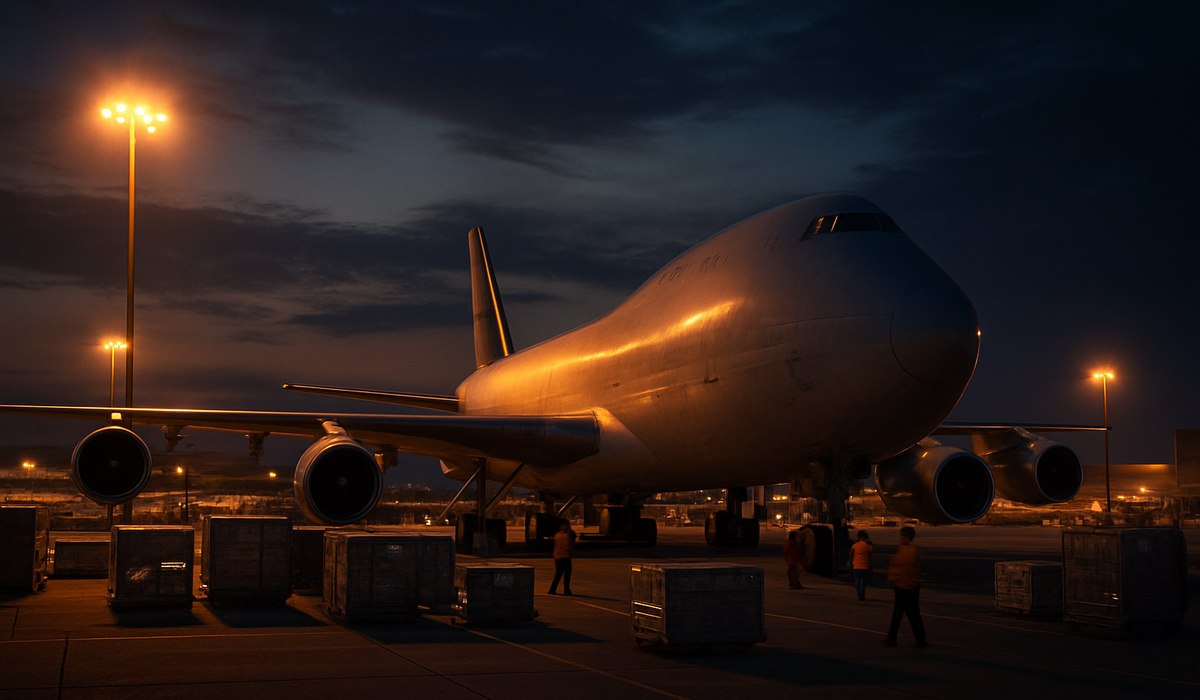
Image generated by AI
Boeing 747 Freighter Airlines Keep Cargo Networks Flying Strong
While passenger airlines worldwide retire Boeing 747 jets, cargo operators at major international freight hubs maintain robust 747 freighter fleets. The aircraft, first introduced in 1969, has become the backbone of long-haul freight transport despite competition from newer wide-body cargo variants. Leading carriers operating boeing 747 freighter airlines include FedEx, UPS, Lufthansa Cargo, and Cargolux, which collectively manage hundreds of these workhorse aircraft across transcontinental routes serving Asia, Europe, North America, and emerging markets throughout 2026.
Cargo Capacity Advantages Over Modern Aircraft
The Boeing 747 freighter aircraft offers unmatched volumetric and weight capacity compared to competing cargo planes. With a maximum payload of approximately 124,000 kilograms and 858 cubic meters of pressurized cargo space, the 747F exceeds the capabilities of narrower alternatives like the Airbus A330 or newer Boeing 767 variants. This advantage proves critical for shippers moving oversized cargo, automotive components, pharmaceuticals, and emergency humanitarian supplies.
Modern twin-engine freighters sacrifice cabin volume for fuel efficiency, making them cost-effective only on specific routes. However, cargo aviation operators recognize that the 747's massive belly remains irreplaceable for consolidating multiple shipments into single flights. On high-volume transcontinental corridors between Shanghai, Memphis, and Frankfurt, airlines deploy 747 freighters specifically to maximize revenue per departure. The aircraft's proven design allows operators to fill both weight and volume capacities simultaneously, directly improving profitability margins that narrower alternatives cannot match.
Fuel Economics and Operational Efficiency in Freight
Contrary to popular assumptions, freight transport via aging 747 freighters remains economically competitive when fuel costs stabilize. Modern freighter conversions extend operational lifespans to 30+ years through systematic engine overhauls, avionics upgrades, and cargo handling system improvements. Operators like Lufthansa Cargo have invested substantially in extending 747 Freighter service to 2030 and beyond, recognizing that depreciation costs for fully amortized aircraft remain minimal compared to purchasing newly manufactured alternatives.
Cargo-specific operations differ fundamentally from passenger services. Freighter aircraft operate scheduled routes on fixed timetables with predictable fuel burn patterns, allowing operators to optimize weight distribution and cruise altitudes for maximum efficiency. Advanced flight management systems installed during conversion enable 747 freighters to achieve competitive fuel consumption per kilogram transported, particularly on established corridors where demand justifies frequent departures. Operational costs for crew training, maintenance, and spare parts remain favorable because the global 747 freighter fleet generates economies of scale unmatched by newer, less numerous aircraft variants.
Market Demand Sustains 747 Freighter Operations
E-commerce expansion across Asia and emerging markets has dramatically increased global freight volume, sustaining demand for boeing 747 freighter airlines despite passenger aircraft retirements. The International Air Cargo Association projects double-digit annual growth in cross-border parcel shipments through 2030, particularly from China, India, and Southeast Asia destined for North American and European consumers. This volume surge ensures consistent utilization rates for existing 747 freighter fleets, with many aircraft averaging 10+ flight hours daily across multiple continents.
Supply chain complexity amplifies demand for aircraft offering immediate availability and proven reliability. Shippers prioritize cargo aviation carriers operating established networks with flexible scheduling, and 747 freighters provide the payload flexibility required for consolidating complex shipments. During pandemic-related disruptions and seasonal peak periods, cargo operators rapidly deploy additional 747 freighters to accommodate surging demand, a capability that depends on the size and reliability of existing fleets.
Retrofit and Longevity of Aging Aircraft
Boeing and third-party manufacturers have developed comprehensive retrofit programs extending 747 freighter operational lifespans. Modern conversion packages include upgraded avionics, enhanced cargo handling systems, increased fuel capacity options, and improved environmental controls. These investments allow operators to maintain freight transport networks with existing aircraft rather than purchasing expensive new narrow-body or wide-body freighter alternatives.
Maintenance and parts availability remain robust because 747 freighters represent the largest standardized cargo aircraft fleet globally. Supply chain networks supporting 747 operations span five continents, with engine overhaul centers, structural repair facilities, and parts suppliers positioned at major freight hubs. This established infrastructure directly reduces downtime and extends aircraft operational availability, making economic sense for operators committed to 747 freighter fleets through 2030.
| Metric | 747 Freighter | A330-200F | Boeing 767-300F |
|---|---|---|---|
| Maximum Payload (kg) | 124,000 | 70,000 | 58,300 |
| Cargo Volume (m³) | 858 | 580 | 438 |
| Range (km) | 8,130 | 7,400 | 6,110 |
| Fuel Capacity (liters) | 238,610 | 139,090 | 90,700 |
| Typical Operating Cost/Hour | $13,500 | $9,800 | $8,200 |
| Global Fleet Size (2026) | 480+ | 120+ | 80+ |
What This Means for Travelers and Shippers
For business travelers and e-commerce participants, the continued operation of boeing 747 freighter airlines ensures reliable, capacity-rich freight transport supporting global supply chains. Here's what stakeholders should understand about 2026 cargo aviation operations:
-
Verify shipping timelines: Contact your freight forwarder to confirm whether your shipment routes via 747 freighters, which typically offer faster scheduling than smaller alternatives.
-
Monitor fuel surcharges: Cargo rates depend directly on aviation fuel pricing; track current rates through major airline websites before committing to freight shipments.
-
Plan for peak periods: During holiday shopping seasons and Chinese New Year, 747 freighter capacity fills rapidly; book cargo space 2-3 weeks in advance.
-
Consider consolidation options: If your shipment is small, request consolidation with other freight routed on the same 747 freighter flight to reduce per-unit costs.
-
Check maintenance schedules: Major carriers publish D-check maintenance windows; verify that planned freight routes remain operational before finalizing commitments.
-
Review insurance coverage: International freight via air cargo requires comprehensive coverage; confirm that your policy applies to 747 freighter operations before shipping high-value items.
Frequently Asked Questions
Why do cargo airlines prefer 747 freighters over newer aircraft like the A350?
The A350 is optimized for passenger comfort and twin-engine efficiency, not cargo volume. 747 freighters carry 50%+ more cargo than comparable alternatives, directly improving profit margins on established high-volume routes where frequency justifies the larger aircraft.
How much longer will 747 freighters operate in commercial service?
Industry projections suggest 747 freighters will remain operational through 2035-2040, with some examples potentially flying into the 2050s if major operators continue investing in lifecycle extensions and modernization packages.
Are 747 freighters more expensive to operate than newer cargo aircraft?
Per-flight operating costs are higher, but per-kilogram transported costs often favor 747 freighters on dense routes because payload capacity is substantially larger, enabling superior load factors.
Which airlines currently operate the largest 747 freighter fleets?
FedEx operates approximately 80+ 747 freighters, UPS manages 60+ aircraft, and Lufthansa Cargo, Cargolux, and Atlas Air collectively operate
Disclaimer
This article is for informational and educational purposes only. It does not constitute legal, financial, or professional advice. While we strive to provide accurate and up-to-date information, travel policies, regulations, and conditions change rapidly. Always verify information with official sources before making travel decisions. Nomad Lawyer makes no representations about the accuracy, reliability, completeness, or suitability of the information provided. Readers should consult qualified professionals for advice specific to their circumstances. The views expressed in this article are those of the author and do not necessarily reflect the views of Nomad Lawyer.
Preeti Gunjan
Contributor & Community Manager
A passionate traveller and community builder. Preeti helps grow the Nomad Lawyer community, fostering engagement and bringing the reader experience to life.
Learn more about our team →