
Hawaii Tourism Paradox 2026: Daily Spending Rises as Hurricane Lala Triggers Revenue Drop
August 2026 saw a strange divergence in Hawaii's economy: daily visitor spending climbed to $272, yet total revenue fell 9.7% due to severe weather disruptions and shorter stays.

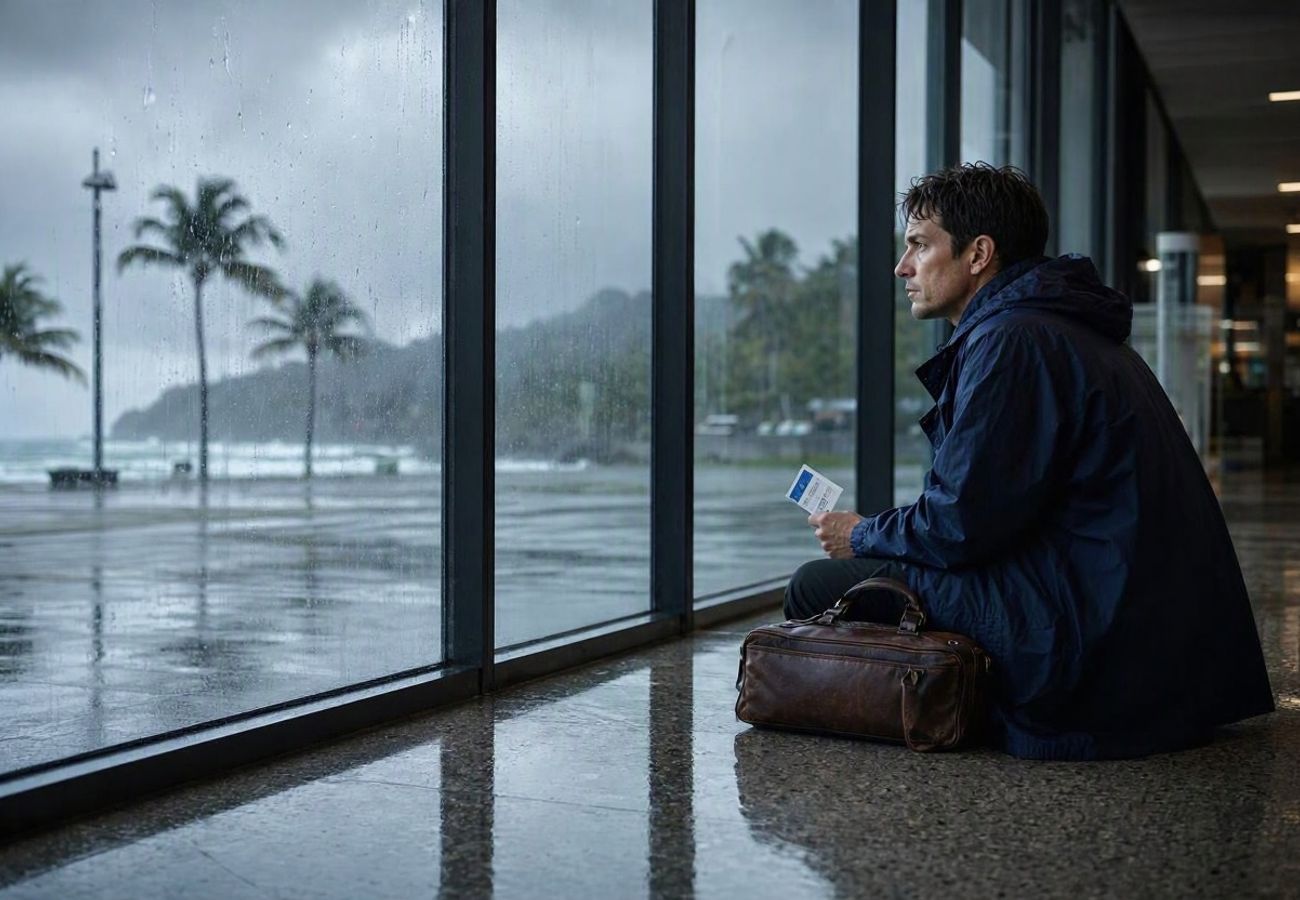
Image generated by AI
A traveler landing in Honolulu in mid-August 2026 likely encountered a chaotic terminal, a cancelled inter-island hopper, and a hotel reservation cut short by weather warnings. While those who stayed spent more per day than previous visitors, the sheer volume of cancellations caused by Hurricane Lala and Tropical Storm Moke created a financial vacuum for the islands.
The August 2026 Tourism Paradox
Hawaii's travel economy experienced a contradictory trend in August 2026. According to data from the Department of Business, Economic Development and Tourism, total visitor spending plummeted by 9.7% year-on-year, totaling $1.59 billion. Simultaneously, the number of arrivals dipped 5.6%, with 772,039 visitors entering the state.
The paradox lies in the individual budget: the average daily expenditure per person actually climbed 7.4% to $272. This suggests that while the visitors who did make it to the islands were spending more, they were staying for significantly shorter periods. The average trip duration shrank from 8.47 days in August 2025 to just 7.55 days in 2026. This reduction in "bed nights," combined with a 15.9% drop in the statewide average daily census to 187,908 visitors, erased the gains made by higher daily spending.
Impact of Severe Weather and Transit Failures
The primary catalyst for this downturn was a volatile weather window. Hurricane Lala passed south of the archipelago between August 14 and 16, triggering widespread power outages, landslides, and infrastructure damage. This was followed by Tropical Storm Moke, which battered East Maui and Hawaii Island from August 22 to 24.
The logistical fallout was immediate and severe. Air travel was crippled, with Alaska Airlines and Hawaiian Airlines reporting over 120 cancellations on routes connecting the islands and the mainland. Southwest Airlines added another 80+ cancellations to the tally. Maritime travel suffered as well; the Pride of America was forced to remain at sea, and scheduled cruise calls at Kona and Hilo were scrapped entirely.
Regional and Market Performance Breakdown
The economic decline was not uniform across the islands. While some markets showed resilience, others collapsed under the weight of the disruptions.
| Region/Market | Visitor Volume Change | Spending Change | Total Spending |
|---|---|---|---|
| Oahu | -6% (474,742) | -6.8% | $754.5 Million |
| Maui | -5.5% (201,789) | -9.6% | $416.9 Million |
| Kauai | -6.7% (115,997) | -11% | $210.5 Million |
| Hawaii Island | -5.5% (134,235) | -14.9% | $202.6 Million |
| US West Market | N/A | -7.1% | $726.2 Million |
| US East Market | N/A | -16.9% | $439 Million |
| Japanese Market | -9.7% (81,814) | -9.5% | $127.4 Million |
| Canadian Market | +0.6% (24,041) | +11.1% | $61.4 Million |
Despite the August slump, the year-to-date figures for 2026 remain positive. From January through August, arrivals rose 1.8% to 6,693,107, and total expenditure grew 4.1% to $15.21 billion.
Your Rights as a Passenger
For those caught in the August disruptions, the legal framework for compensation depends on the nature of the cancellation and the carrier's policy.
Flight Cancellations and Refunds Under US Department of Transportation (DOT) regulations, passengers are entitled to a full refund of the ticket price if the airline cancels a flight, regardless of the reason (including weather). If you chose not to travel because of the hurricane, you are entitled to a refund if the airline offered one or if the flight was officially cancelled.
Duty of Care and Rebooking While US regulations are less stringent than EU261, airlines are expected to rebook passengers on the next available flight. If a cancellation results in an overnight stay, passengers should check their credit card travel insurance or the airline's specific "contract of carriage" for hotel vouchers.
Cruise and Hotel Cancellations For cancelled cruise calls in Hilo or Kona, passengers are generally not entitled to a refund for the entire cruise, but may be eligible for partial credits if the itinerary change was substantial. For hotels, "Force Majeure" clauses often apply during hurricanes, but consumers should push for flexible rebooking dates rather than total loss. You can track current flight status via FlightAware to document delays for insurance claims.
Rebooking Strategy and Alternatives
If you are facing a disruption in the Hawaiian islands:
- Prioritize the "Big Three" Hubs: If inter-island flights are grounded, check for alternative ferry options or prioritize flights into HNL (Honolulu) as it typically recovers faster than OGG (Maui) or KOA (Kona).
- Competitor Pivot: If your primary carrier is fully booked, check the Hawaiian Airlines status page or Southwest's portal immediately. In high-disruption events, booking a one-way ticket on a competitor is often faster than waiting for a rebooking queue.
- Refund vs. Voucher: Given the volatility of the 2026 storm season, take the cash refund over a travel voucher if you are unsure of your future travel dates. Vouchers often have restrictive expiration dates that may conflict with future weather patterns.
FAQ: Hawaii Travel Disruptions 2026
Am I entitled to a refund for my cancelled Hawaii flight? Yes. Under US DOT rules, if the airline cancels your flight due to Hurricane Lala or Tropical Storm Moke, you are entitled to a full refund to your original form of payment, even for non-refundable tickets.
Can I claim compensation for the shortened length of my stay? Generally, no. Weather is considered an "extraordinary circumstance." However, you can claim for prepaid non-refundable activities or hotel nights through your travel insurance provider.
Which island was least affected by the August revenue drop? Oahu remained the strongest, though it still saw a 6.8% decline in spending. Canada was the only international market to show growth, with spending increasing by 11.1%.
What should I do if the airline offers a voucher instead of cash? You have the right to insist on a cash refund for a cancelled flight. Do not feel pressured to accept a voucher if you prefer the liquidity of a refund.
When the weather turns, your contract of carriage is your strongest shield.
Related Travel Guides
Disclaimer
This article is for informational and educational purposes only. It does not constitute legal, financial, or professional advice. While we strive to provide accurate and up-to-date information, travel policies, regulations, and conditions change rapidly. Always verify information with official sources before making travel decisions. Nomad Lawyer makes no representations about the accuracy, reliability, completeness, or suitability of the information provided. Readers should consult qualified professionals for advice specific to their circumstances. The views expressed in this article are those of the author and do not necessarily reflect the views of Nomad Lawyer.
Naina Thakur
Contributor & Travel Specialist
Travel enthusiast and legal writer covering visa regulations, responsible tourism, and cultural journeys across global destinations.
Learn more about our team →