
Harry Reid Airport Spring Break Crisis: TSA Staffing Shortages Trigger Nationwide Delays in 2026
Harry Reid Airport faced cascading delays during spring break 2026 as unpaid TSA officers and federal shutdown collided with peak travel demand, affecting dozens of flights and rattling airline stocks nationwide.

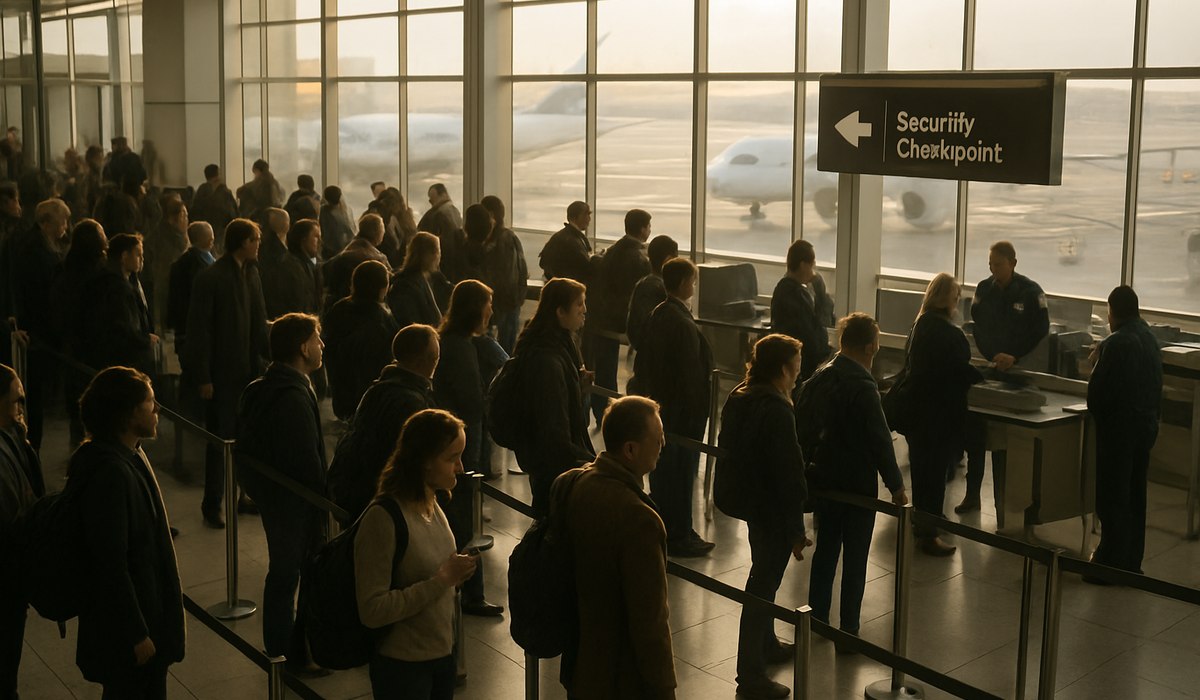
Image generated by AI
Spring Break Chaos at Harry Reid Airport: When Federal Shutdown Meets Peak Travel Season
Harry Reid International Airport, Las Vegas's primary aviation hub, descended into operational turmoil during March and early April 2026 as unpaid Transportation Security Administration officers, a prolonged federal shutdown, and severe nationwide weather converged during the busiest spring break travel window. The cascade of disruptions rippled far beyond Nevada, affecting connecting passengers nationwide and sending tremors through airline equity valuations. Dozens of cancellations and multi-hour delays plagued daily operations at the 62-million-passenger-per-year facility, transforming what should have been a routine holiday period into a cautionary tale about aviation infrastructure vulnerability during peak demand.
TSA Without Pay: The Breaking Point During Peak Travel Season
The federal government shutdown that began in mid-February 2026 left Transportation Security Administration screeners at Harry Reid Airport working without compensation just as college students and families flooded terminals for spring break getaways. Published reports from aviation industry analysts documented widespread morale deterioration, with unpaid officers calling in sick, seeking alternative employment, or struggling to maintain shift coverage across the checkpoint network.
The timing proved catastrophic. While weather-related disruptions typically spike during spring months, the combination of depleted TSA staffing created unpredictable bottlenecks. Terminal 3 checkpoint lines extended toward ticket counters during early-morning departure banks when resort guests and convention attendees converged. At other hours, the same checkpoints cleared passengers within minutes, creating operational instability that confused travelers and amplified perceived chaos beyond actual statistical delay metrics.
Airport officials continued recommending two-hour domestic and three-hour international arrival windows, yet unpredictable wait times pushed many visitors to arrive even earlier, shifting congestion forward and compounding the sense of systemic breakdown. The psychological impact on leisure travelers—for whom spring break represents once-yearly vacation investments—extended reputation damage well beyond operational recovery timelines.
Visit the FAA's official airport status page for real-time operational conditions and staffing impact assessments.
Cascading Delays Ripple Through Las Vegas Hub and Beyond
The disruptions at Harry Reid Airport did not occur in isolation. Blizzards and powerful storm systems across the Northeast and Midwest forced thousands of flight cancellations at major connecting hubs, with Las Vegas serving as a critical leisure spoke in nationwide carrier networks. Aircraft and crews arriving late into Las Vegas compressed already-tight schedules, amplifying missed connection risks for spring break travelers with onward destinations.
National delay tracking systems documented how single-point disruptions propagated through the system. A weather-induced cancellation in Denver meant aircraft shortages in Las Vegas. TSA bottlenecks in Las Vegas meant crews exceeding maximum flight-duty limitations. The interconnected nature of modern aviation networks transformed local challenges into continent-wide operational strain.
Social media documentation of long lines and crowded terminals circulated widely, reinforcing broader perception of nationwide airport dysfunction even where isolated operations remained stable. Travel publications framed the disruptions as escalating evidence of structural aviation system stress during peak periods, with causes predating the immediate shutdown.
Check FlightAware for real-time delay tracking and historical disruption patterns affecting your specific routes.
Terminal Operations Swing Between Smooth Flow and Bottleneck Chaos
Crowd-sourced passenger accounts revealed operational volatility within Harry Reid Airport terminals. During off-peak hours, checkpoint screening moved smoothly with wait times under five minutes. Pre-dawn departure waves, however, triggered 45-minute to two-hour waits as unpaid TSA officers struggled to maintain adequate staffing across six security checkpoint lanes.
This operational unpredictability created compounding stress for travelers. Some passengers cleared security comfortably; others missed flights despite arriving within published guidelines. Families with young children and elderly passengers faced particular hardship navigating uncertain wait times. The absence of staff reliability meant checkpoint staffing decisions changed daily based on TSA officer availability, preventing consistent operational planning.
Ground operations inside terminals alternated between efficient passenger flow and near-gridlock conditions. Gate areas became congested during peak morning waves. Concourse restaurants and retail spaces experienced surges that overwhelmed service capacity. Ground crew scheduling challenges created gate-hold delays as aircraft sat at stands waiting for available personnel to process boarding procedures.
Airline Stock Impact and Recovery Outlook
The operational disruptions at Harry Reid Airport triggered measurable equity market reactions among carriers with significant Las Vegas exposure. Legacy carriers operating robust spring break schedules from Las Vegas experienced stock volatility as forward guidance incorporated expected revenue impacts from cancellations and operational complexity. Regional carriers and budget airlines, heavily dependent on leisure traffic volumes, faced comparable market pressure.
Recovery timelines remain uncertain. While the federal shutdown resolution occurred in late March 2026, TSA officer staffing rebuilding requires time. Many screeners transferred to alternative employment during shutdown periods, creating post-resolution recruitment and retention challenges. Airlines have implemented schedule adjustments to reduce Las Vegas operations concentration during peak periods, effectively spreading demand across longer timeframes.
Analyst reports suggest consumer confidence in spring break travel reliability diminished noticeably during this disruption cycle. Booking patterns for subsequent holiday periods show travelers incorporating longer safety margins when purchasing Las Vegas-bound itineraries, reflecting learned skepticism about published flight times during peak demand windows.
Traveler Action Checklist
If you're planning travel through Harry Reid Airport during peak seasons or future disruption scenarios, follow these essential protective steps:
- Monitor TSA staffing status updates and federal government operational news two weeks before travel dates
- Arrive at the airport 3+ hours before domestic flights and 4+ hours before international departures during peak spring break windows (March 15-April 15)
- Book flights outside traditional early-morning and evening peak departure waves (9 AM-11 AM or 2 PM-4 PM departures experience lower congestion)
- Build connecting flight layovers of 90+ minutes minimum to accommodate security screening unpredictability
- Purchase trip insurance covering airline-caused delays and cancellations, particularly for spring break leisure travel
- Track your specific flights 72 hours pre-departure on FlightAware and adjust based on airline crew positioning patterns
- Join airline text alert programs for real-time gate changes and departure updates
- Maintain flexibility in onward ground transportation bookings to accommodate potential delays
- Document all flight disruptions with airline staff for potential DOT compensation eligibility under US DOT passenger rights regulations
- Follow your airline's social media channels and official notification systems rather than relying on third-party travel blogs for operational updates
What This Means for Travelers
The convergence of federal shutdown, TSA staffing shortages, and peak spring break demand at Harry Reid Airport demonstrates how interconnected vulnerabilities within the U.S. aviation system can cascade into widespread disruption. While immediate conditions improved following government funding restoration, structural challenges persist.
Leisure travelers planning Las Vegas trips should anticipate operational uncertainty during peak periods (mid-March through mid-April) as standard travel planning. Budget additional arrival time, book flexible tickets permitting rebooking without fees, and maintain realistic expectations about on-time performance. The experience underscores why travel insurance and schedule flexibility represent valuable investments for discretionary trips where disruption creates significant personal impact.
Airlines have responded by adjusting capacity allocations and crew positioning strategies to reduce Las Vegas operational concentration during known peak windows. However, demand growth and limited airport infrastructure capacity mean similar challenges may recur during future peak seasons. Proactive traveler preparation and realistic expectation-setting remain essential protective strategies.
Frequently Asked Questions
What caused the delays at Harry Reid Airport in spring 2026? Federal government shutdown left TSA security officers unpaid, creating staffing shortages during peak spring break demand
Disclaimer
This article is for informational and educational purposes only. It does not constitute legal, financial, or professional advice. While we strive to provide accurate and up-to-date information, travel policies, regulations, and conditions change rapidly. Always verify information with official sources before making travel decisions. Nomad Lawyer makes no representations about the accuracy, reliability, completeness, or suitability of the information provided. Readers should consult qualified professionals for advice specific to their circumstances. The views expressed in this article are those of the author and do not necessarily reflect the views of Nomad Lawyer.
Kunal K Choudhary
Co-Founder & Contributor
A passionate traveller and tech enthusiast. Kunal contributes to the vision and growth of Nomad Lawyer, bringing fresh perspectives and driving the community forward.
Learn more about our team →