
Haa Valley Bhutan: The Ultimate Hidden Himalayan Sanctuary Just Opened to Travelers
Discover Haa Valley, Bhutan's most secluded Himalayan sanctuary closed to outsiders for decades. Explore untouched traditions, the sacred Ap Chundu Lhapsoel festival, and why this remote destination offers authentic cultural immersion unlike any other.

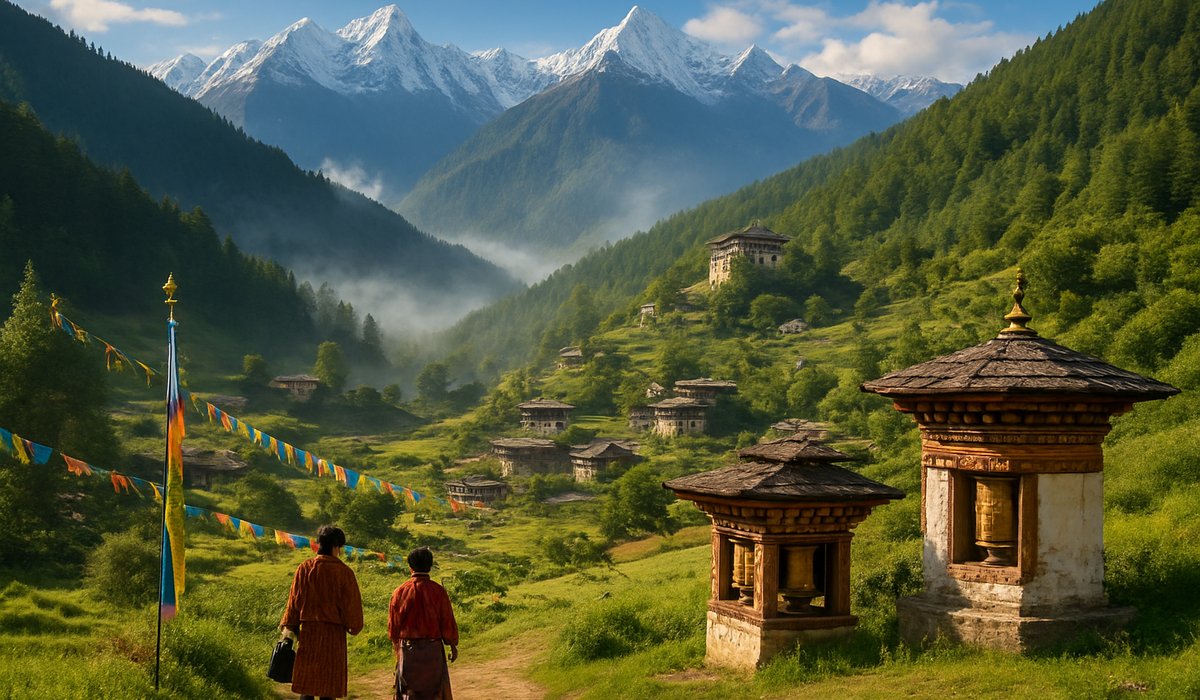
Image generated by AI
Quick Summary
- Legendary Seclusion: Haa Valley remained closed to international travelers for decades after Bhutan opened borders in 1974—now finally accessible
- Untouched Heritage: Remote Himalayan sanctuary preserves ancient Buddhist traditions, spiritual practices, and pre-modern lifestyle intact
- Sacred Festival: Ap Chundu Lhapsoel honoring warrior deity showcases generations-old rituals and community spiritual ceremonies
- Authentic Immersion: Experience Himalayan culture virtually unchanged by modernization or mass tourism influence
- Sustainable Model: Valley represents benchmark for eco-tourism balancing cultural preservation with responsible visitor access
Haa Valley: Where Bhutan's Most Authentic Culture Remains Hidden
Deep in the Himalayan wilderness near the Tibetan border, Haa Valley represents the final frontier of untouched Bhutanese culture—and it's just opening its doors. While Bhutan welcomed international visitors starting in 1974, this remote valley remained sealed from outsiders for decades, creating a living time capsule of traditions, spiritual practices, and lifestyles largely unchanged since medieval times. For travelers exhausted by mass-tourism destinations and seeking genuine cultural connection, Haa Valley delivers an unparalleled experience: authentic immersion in a world where ancient customs continue thriving without dilution from external influences.
The valley's legendary isolation—enabled by difficult mountain terrain and deliberate preservation policies—has protected it as one of Asia's most intact cultural sanctuaries. Unlike more developed Bhutanese regions that have adapted to thriving tourism, Haa Valley maintains the purity and authenticity that serious cultural travelers spend lifetimes seeking.
Geography and Geographical Isolation
Haa Valley's remoteness isn't accidental—it's geographical destiny. Positioned deep within the eastern Himalayas, the valley sits approximately near the Tibetan border, surrounded by mountain passes and challenging terrain that naturally limited historical external contact. This isolation proved remarkably effective at preservation: centuries of geographic separation created distinct local traditions, spiritual practices, and community structures barely influenced by mainstream Bhutanese development.
The valley's difficult access—requiring mountain navigation and strategic route planning—continues filtering casual day-trippers. Most international tourists heading to Bhutan concentrate on accessible monasteries and developed regions. Haa Valley's location essentially gatekeeps itself, naturally preserving authenticity through geographic friction rather than requiring strict policies.
Modern transportation has improved valley access, yet the journey remains genuinely challenging. Travel planners recommend full-day excursions from more developed Bhutanese towns. This accessibility-limitation paradoxically benefits the destination: visitor numbers remain manageable, maintaining community harmony and cultural integrity that overtourism destroys elsewhere.
A Living Cultural Sanctuary
Haa Valley functions as Bhutan's most vibrant cultural sanctuary—a destination where ancient practices continue organically rather than as performances for tourists. Unlike commercialized cultural displays in heavily-visited regions, valley traditions persist because community members practice them for spiritual authenticity, not external validation.
Local residents maintain daily spiritual practices rooted in Himalayan Buddhism: morning meditation rituals, communal religious observances, and seasonal ceremonies conducted in traditional styles. Visitors witness culture remaining genuinely alive rather than artificially preserved. Archaeological evidence reveals that settlements have inhabited the valley for centuries; current communities directly descend from these populations, maintaining unbroken cultural lineage.
The architectural landscape reinforces this authenticity. Traditional stone-and-timber structures follow centuries-old construction methods; hand-carved wooden details decorate building facades; monasteries display religious iconography unchanged over generations. This built environment creates immersive cultural context that museums cannot replicate—visitors physically inhabit spaces designed by ancestral generations.
The Ap Chundu Lhapsoel Festival: Sacred Spiritual Ceremony
The Ap Chundu Lhapsoel festival stands as Haa Valley's most important cultural ritual—a spiritual ceremony honoring Ap Chundu, a fearless warrior deity venerated throughout the valley. Though virtually unknown internationally, this festival represents generations of accumulated spiritual tradition and community cohesion.
The festival celebrates warrior virtues: courage, protection, and spiritual strength. Local communities conduct elaborate ceremonial processions featuring participants dressed in traditional garments, performing ritualistic dances passed through generations. Sacred music combines with synchronized physical movements, creating hypnotic spiritual experiences. These practices originate from pre-Buddhist Himalayan traditions, then incorporated within Buddhist framework—creating syncretic spiritual traditions found nowhere else.
Timing and Accessibility
The festival occurs annually during specific seasons, with exact timing determined by traditional lunar calendars. International travelers can arrange visits coinciding with festival dates, experiencing the ritual alongside local participants. However, festival participation demands respect for spiritual authenticity—observers are guests in sacred ceremonies, not entertainment consumers.
Festival attendance represents spiritual pilgrimage for most visitors. The experience proves transformative for those genuinely seeking cultural connection rather than Instagram moments. Participants describe overwhelming emotional impact witnessing centuries-old rituals conducted with sincere spiritual intention by communities maintaining unbroken practice lineage.
Preservation Through Strategic Seclusion
Haa Valley's remarkable authenticity results directly from deliberate preservation strategies prioritizing cultural integrity over tourism revenue.
Bhutan famously resists mass-market tourism, implementing policies valuing sustainability and cultural protection over economic maximization. Haa Valley represents this philosophy's ultimate expression. The government maintains strict visitor quotas, requires accompanied guides, and restricts independent tourism. These limitations frustrate some travelers but preserve what makes the valley invaluable.
This strategic seclusion protects multiple dimensions:
Cultural Preservation: Limited external influence allows traditions to evolve organically according to community needs rather than tourist expectations. Authentic cultural development continues unimpeded.
Environmental Protection: Restricted visitor numbers prevent infrastructure development, construction projects, and environmental damage that typically accompanies tourism scaling. Landscapes remain largely unchanged.
Economic Sustainability: While government receives tourism revenue, it remains modest enough that communities avoid dependency on tourism. Local economies maintain diversification, reducing vulnerability to tourism fluctuations.
Social Cohesion: Excessive tourism strains community relationships and family structures. Controlled visitor numbers maintain social harmony and traditional community patterns.
The Challenge: Balancing Access with Preservation
As global interest in authentic, off-the-beaten-path destinations accelerates, Haa Valley faces a critical challenge: how to accommodate growing visitor demand while protecting the authenticity that generates that demand.
The eco-tourism movement's growth creates genuine paradox. Millions of travelers increasingly seek meaningful cultural experiences and untouched landscapes—precisely what Haa Valley offers. However, scaling access fundamentally threatens what makes it compelling. Similar destinations worldwide demonstrate that popularity destroys authenticity: once-secluded villages become commercialized, traditions become performance art, and genuine community life becomes invisible beneath tourism infrastructure.
Haa Valley authorities recognize this threat. Current discussions focus on sustainable tourism frameworks: maintaining strict visitor quotas, requiring guide accompaniment, limiting infrastructure development, and prioritizing community benefit over tourism maximization. However, these policies remain permanently vulnerable to economic pressure arguing for expansion and increased revenue.
The Conservation Model
Progressive tourism planners increasingly view Haa Valley as model for sustainable destination development. Rather than maximizing visitor numbers and economic return, the valley prioritizes preservation and community welfare. This approach demonstrates that tourism can coexist with cultural integrity—but only through deliberate policy commitment and resisting expansion pressure.
Other destinations facing similar challenges observe Haa Valley's management framework, considering whether comparable preservation strategies could protect their cultural heritage. The valley essentially tests whether destinations can evolve methods combining tourism benefits with authentic preservation.
Practical Information for Visitors
Traveling to Haa Valley requires realistic preparation and genuine intentions.
Access Requirements
Travelers cannot visit independently. Bhutan mandates licensed guide accompaniment; visit coordination through official tourism agencies. This requirement initially frustrates independent travelers but fundamentally protects the destination.
Pre-arrangement typically requires 2-4 weeks notice. Guides can accommodate limited group sizes; advance booking essential. Physical fitness matters—valley exploration involves hiking, mountain navigation, and potentially challenging terrain.
Best Seasons
Late spring (May-June) and early fall (September-October) offer optimal weather. Summer monsoons create challenging hiking conditions; winter snow complicates access. Clear weather maximizes landscape photography opportunities and improves hiking accessibility.
What to Expect
Accommodations remain basic—comfortable guesthouses rather than luxury resorts. Meals feature simple traditional Bhutanese cuisine. Modern amenities are limited; expect limited internet and electricity intermittency. This simplicity proves central to authentic experience rather than limitation.
FAQ: Essential Haa Valley Questions
Q: Is Haa Valley truly closed to independent travelers? A: Yes. Bhutan mandates licensed guide accompaniment; visitors cannot arrange independent travel. This policy permanently remains in effect, not temporary restriction. Accept requirement as preservation mechanism rather than obstacle.
Q: What is the primary language spoken in Haa Valley? A: While Bhutanese (Dzongkha) is official language, local dialects persist. Guides typically speak English and translate local dialect. Language barrier remains minimal with guide accompaniment.
Q: How physically demanding is Haa Valley travel? A: Moderate activity level suffices for main attractions. Guided walks range from easy valley strolls to challenging mountain hikes. Discuss fitness level with travel agencies; customized itineraries accommodate varying abilities.
Q: Can I visit during the Ap Chundu Lhapsoel festival? A: Yes, with advance arrangements. Festival participation differs from standard tourism—you're invited to spiritual ceremony, not entertainment spectacle. Respectful participation essential; guides provide cultural protocols.
Q: What are typical visit costs? A: Bhutan's tourism model combines mandatory guide/accommodation packages with freedom for independent spending. Daily costs range $250-350+ depending on accommodation choices and included activities.
The Lasting Significance of Haa Valley
Haa Valley represents something increasingly rare: a destination where authenticity remains economically viable. Most cultural destinations eventually sacrifice preservation for profit, commercializing traditions and scaling infrastructure until authenticity disappears under tourism volume. Haa Valley continues resisting this pressure, maintaining policies prioritizing cultural integrity.
For travelers seeking genuine connection with Himalayan culture, spirituality, and community traditions, Haa Valley delivers uncompromised authenticity. The experience proves transformative for those arriving with respect for local communities and genuine cultural curiosity rather than tourism consumption mentality.
As environmental degradation and cultural homogenization accelerate globally, destinations like Haa Valley become increasingly precious. The valley demonstrates that alternative tourism models exist—approaches prioritizing preservation, sustainability, and community welfare alongside visitor experiences. Whether such models remain viable amid economic pressure continues as critical question for future travel industry.
Disclaimer
This article is for informational and educational purposes only. It does not constitute legal, financial, or professional advice. While we strive to provide accurate and up-to-date information, travel policies, regulations, and conditions change rapidly. Always verify information with official sources before making travel decisions. Nomad Lawyer makes no representations about the accuracy, reliability, completeness, or suitability of the information provided. Readers should consult qualified professionals for advice specific to their circumstances. The views expressed in this article are those of the author and do not necessarily reflect the views of Nomad Lawyer.
Preeti Gunjan
Contributor & Community Manager
A passionate traveller and community builder. Preeti helps grow the Nomad Lawyer community, fostering engagement and bringing the reader experience to life.
Learn more about our team →