
Gulf Cancellations Leave Muscat–Bahrain Travelers Stranded in April 2026
Gulf Air has cancelled three key Muscat–Bahrain services in 2026, forcing passengers into costly rebooking and multi-day detours. Travelers face cascading disruptions across Middle Eastern hubs and European connections.

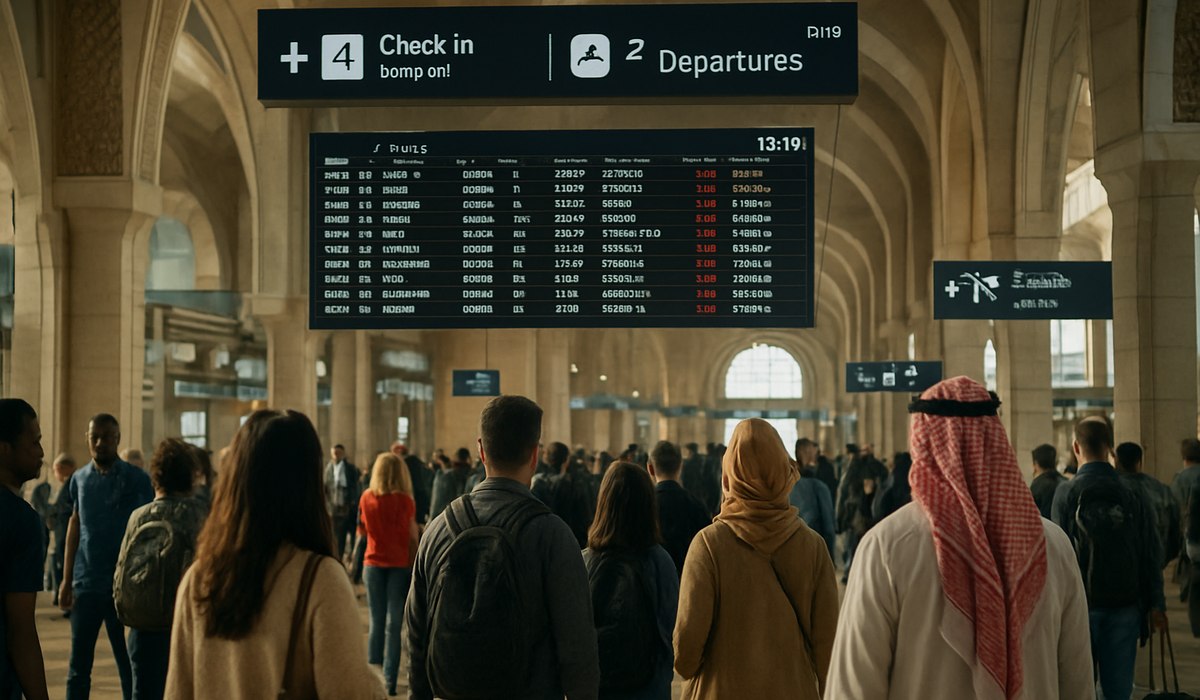
Image generated by AI
Gulf Air Cancellations Disrupt Muscat–Bahrain Hub Operations
Gulf Air has withdrawn three critical Muscat–Bahrain services, leaving hundreds of passengers scrambling for alternative connections across the Middle East. The cancellations, which took effect in late March 2026, remove essential links between Oman's capital and Bahrain International Airport—a major transit hub for travelers heading to Europe and North Africa. For many passengers, what should have been straightforward same-day connections have transformed into multi-day journeys involving expensive rebookings and overnight layovers at congested regional airports.
The disruption arrives amid broader operational instability across Gulf aviation networks, as carriers navigate airspace restrictions and heightened regional tensions. Passengers on affected bookings report receiving schedule change notices followed by outright cancellations, leaving them uncertain whether Gulf Air will automatically rebook them or require them to secure alternative arrangements independently.
Three Gulf Air Routes Withdrawn from Muscat–Bahrain Corridor
Gulf Air's latest schedule changes have removed at least three core rotations on the Muscat–Bahrain route, eliminating direct connections that previously served business travelers, expatriates, and leisure passengers. These flights historically provided seamless transfer options to onward services bound for Doha, Cairo, Luxembourg, and other European destinations via Bahrain's well-established hub infrastructure.
The cancellation timing coincides with wider network reductions across Gulf carriers as they respond to volatile airspace conditions and unpredictable operational windows. Unlike some rolling temporary suspensions, these three Gulf Air services appear to be withdrawn from current schedules indefinitely, suggesting potential long-term restructuring rather than emergency short-term measures.
Passengers who had booked these routes described receiving initial schedule change notifications in mid-April, followed by full cancellation notices within days. The compressed communication timeline has created confusion about eligibility for compensation, refund timelines, and whether Gulf Air will offer alternative routings at no additional cost.
Impact on Onward Connections to Europe and North Africa
The Muscat–Bahrain corridor serves as a critical connector for long-haul travelers using Gulf Air's Bahrain hub to reach European and North African destinations. With three core services eliminated, passengers face cascading disruptions across their entire journey, not just the Muscat–Bahrain leg itself.
Typically, Gulf Air operates tight connection windows through Bahrain, allowing passengers to transfer between regional flights and long-haul services to London, Paris, Frankfurt, and North African cities within a single booking. When the Muscat–Bahrain segment is cancelled, many onward connections collapse simultaneously, requiring complete rebooking across multiple airlines or accepting lengthy overnight layovers.
Passengers reporting disruptions indicate they're being rerouted through congested alternatives at Doha, Dubai, Abu Dhabi, and Jeddah—hubs already operating at reduced capacity due to regional instability. These detours add 12 to 36 hours to journey times and typically incur substantial change fees unless travelers successfully argue for airline responsibility under European or international passenger rights frameworks.
Regional Airspace Crisis Compounds Passenger Stranding
Gulf Air's cancellations reflect deeper aviation pressures across the Middle East following geopolitical escalations and subsequent airspace restrictions. Iran-related conflict activity has triggered partial or full airspace closures across multiple states, forcing carriers to suspend services, divert routes, and reduce frequency on affected corridors.
Muscat International Airport has remained operational throughout the crisis, positioning Oman as an unofficial pressure-relief hub for airlines unable to use traditional transit points. However, the loss of Gulf Air's Muscat–Bahrain connections paradoxically strands passengers in Oman by eliminating their primary exit route from the region. Travelers who initially routed through Muscat specifically to avoid more heavily disrupted hubs—including Bahrain itself—find themselves without onward options when Gulf Air's services vanish.
Regional observers note that Muscat's facilities are experiencing unprecedented congestion from passengers attempting to reposition from other Gulf states. Check-in lines, transit lounges, and ground transportation have become bottlenecked, forcing travelers to arrive many hours before departure to navigate heightened security procedures and secure rebooking assistance.
Passenger Rights and Rebooking Options
Gulf Air has announced temporary flexibility policies allowing passengers booked to travel through mid-April 2026 to request refunds or modify itineraries without standard change penalties. However, implementation remains inconsistent, with many travelers reporting difficulty reaching customer service centers or obtaining formal written confirmation of cancellation notices required to claim compensation.
Under European Union Regulation 261/2004 and equivalent international frameworks, passengers affected by airline cancellations are generally entitled to:
- Full refund of ticket price within 14 days
- Rebooking on alternative carriers at no additional cost
- Hotel accommodation and meal vouchers for overnight delays exceeding 12 hours
- Compensation up to €600 depending on flight distance
Gulf Air passengers traveling from EU airports or booked with EU-based travel agencies may qualify for these protections. However, passengers departing from Muscat or Bahrain face significant obstacles claiming compensation under non-EU jurisdictions, where airline liability rules are less stringent.
Travelers are advised to contact Gulf Air's customer service immediately with booking references and cancellation notices. Simultaneously, passengers should explore independent rebooking through alternative carriers—Emirates, Etihad, Qatar Airways, and Oman Air all operate competitive services from Muscat to European destinations, though premium pricing applies to last-minute bookings.
What Travelers Should Do Now: Action Checklist
-
Verify your booking status – Log into your Gulf Air account or contact reservations with your reference number to confirm whether your Muscat–Bahrain service appears as cancelled or still active.
-
Document all communication – Screenshot cancellation notices, schedule change emails, and customer service responses. Maintain records of all contact attempts and replies for potential compensation claims.
-
Request written cancellation confirmation – Email Gulf Air requesting formal written notification of cancellation. This document is essential for claiming refunds and compensation under passenger rights frameworks.
-
Explore alternative routing immediately – Contact competing carriers (Emirates, Etihad, Qatar Airways, Oman Air) to compare availability and pricing for Muscat–Europe connections. Act quickly, as alternative seats fill rapidly during regional crises.
-
Claim refund or compensation – If your flight is cancelled, request a full refund if your departure point qualifies for EU261 protections, or pursue compensation claims through international aviation arbitration if departing from non-EU cities.
-
Consider rebooking assistance services – Travel insurance providers and specialized flight compensation platforms (Skyscanner, Kayak, AirHelp) can assist with rebooking logistics and compensation filing for flat fees or contingency percentages.
-
Monitor live flight tracking – Use FlightAware to track real-time Gulf Air departures from Muscat and confirm whether additional routes might be cancelled. Real-time data allows you to pivot to confirmed alternatives before booking seats that could vanish.
-
Contact your original booking agent – If you booked through a travel agency, email your agent with cancellation details. Agencies often have direct airline contacts and can escalate rebooking requests more effectively than individual passengers.
Key Data: Gulf Air Muscat–Bahrain Service Disruptions
| Metric | Details |
|---|---|
| Airline | Gulf Air |
| Affected Route | Muscat (MCT) – Bahrain (BAH) |
| Services Cancelled | 3 core rotations |
| Effective Date | Late March 2026 |
| Passenger Impact | Hundreds of travelers affected; cascading disruptions to onward Europe/North Africa connections |
| Primary Cause |
Disclaimer
This article is for informational and educational purposes only. It does not constitute legal, financial, or professional advice. While we strive to provide accurate and up-to-date information, travel policies, regulations, and conditions change rapidly. Always verify information with official sources before making travel decisions. Nomad Lawyer makes no representations about the accuracy, reliability, completeness, or suitability of the information provided. Readers should consult qualified professionals for advice specific to their circumstances. The views expressed in this article are those of the author and do not necessarily reflect the views of Nomad Lawyer.
Raushan Kumar
Founder & Lead Developer
Full-stack developer with 11+ years of experience and a passionate traveller. Raushan built Nomad Lawyer from the ground up with a vision to create the best travel and law experience on the web.
Learn more about our team →