
Bypassing Travel Chaos: Dubai, Doha, and Gulf Hubs Rebuild Multi-Trillion-Dollar Aviation Empire Following Devastating Spring Airspace Closures: Airline News
Following devastating spring airspace closures, major Gulf aviation hubs execute a massive tactical recovery to bypass regional travel chaos and restore global connectivity.

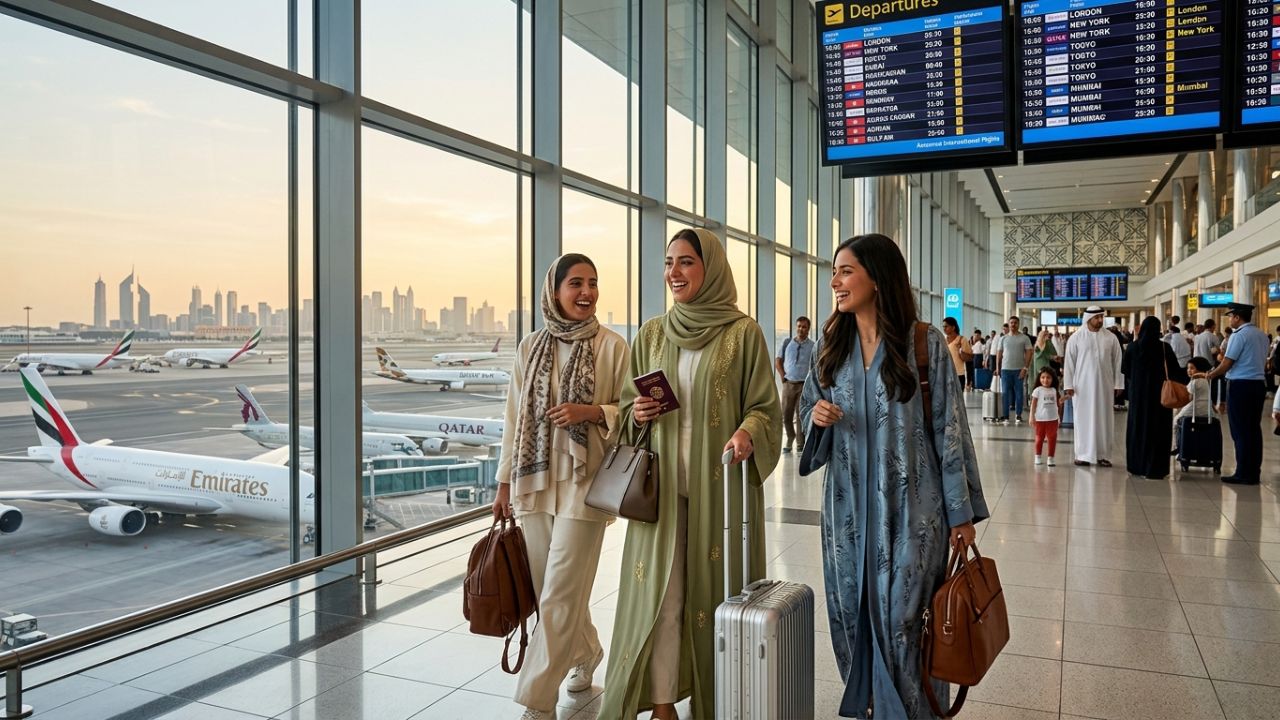
Image generated by AI
In a massive, highly synchronized structural recovery operation designed to permanently bypass the devastating travel chaos that crippled the Middle East earlier this spring, the Arabian Gulf’s multi-trillion-dollar aviation empire is aggressively rebuilding. Reported on June 20, 2026, as stranded international passengers anxiously monitor the latest airline news for an end to sweeping flight cancellations, Dubai has joined Abu Dhabi, Doha, Manama, and Muscat in executing a rapid flight resumption strategy. Following the catastrophic airspace closures triggered by the February 2026 conflict, these sovereign states are deploying massive financial stimuli, tactical airspace reconfigurations, and aggressive infrastructure mandates to resurrect their global transit dominance. By reopening critical flight corridors and insulating their hubs from localized military volatility, the Gulf carriers are actively eliminating the massive airport disruptions that paralyzed transcontinental travel, cementing this geopolitical aviation recovery as today's most crucial headline in breaking aviation updates.
By introducing direct passenger coordination and dynamic scheduling backups, the regional aviation hubs target growing passenger demand across vital commerce sectors. The choice to coordinate flight departures in phases helps to manage gate capacity, supporting the country's broader regional transportation network.
Context: Escaping the Spring Aviation Paralysis
For the hyper-connected Arabian Gulf, rapid operational normalization following a geopolitical blackout is the absolute ultimate tactical defense against total economic collapse.
The massive disruption began on February 28, 2026, when an Iranian missile strike was intercepted by Bahrain, triggering an immediate cascade of defensive airspace closures across the entire Gulf corridor. This was followed by drone strikes at Bahrain International Airport on March 1 and industrial attacks stretching into April. These events forced the grounding of regional fleets and stranded hundreds of thousands of international transit passengers. The path to bypassing this travel chaos opened on June 17, 2026, with the signing of a 14-point interim ceasefire agreement at the Palace of Versailles, establishing a 60-day negotiating window and proposing a $300 billion reconstruction fund. Although technical talks in Switzerland on June 19 were indefinitely postponed, the tactical parameters of the ceasefire held, allowing Gulf aviation regulators to rapidly implement managed flight corridors and restore the severed links between Europe and Asia.
To view live flight schedules, verify the active managed corridor status of your specific Middle Eastern itinerary, or to track potential route restorations prior to heading to the airport, travelers must consult official aviation directories. For direct updates regarding how this massive airspace reconfiguration might shield you from current flight cancellations, travelers should aggressively utilize the official digital portals of their respective airlines. To explore live flight tracking and monitor the exact severity of the cascading bottlenecks paralyzing alternative airspace, passengers can consult the official FlightAware tracking service.
Section-Wise Breakdown: The Tactical Reconfiguration
Syrian Airspace: The Unexpected Bypass
In a dramatic operational shift, the Damascus Flight Information Region (FIR) has re-emerged as a vital bypass route. To avoid the highly restricted corridors over western Iran and Iraq, regional carriers are utilizing Syria. In May 2026 alone, 11,801 overflights were recorded—a massive 375% increase from the previous year—subject to a €455 navigation charge and a €70 permit fee. However, major Western airlines continue to avoid this zone due to ongoing military risks, relying instead on northern Caucasus or southern Egyptian routings.
National Airspace Resumptions
- Kuwait: Following initial strike damage, Kuwait International Airport reopened on April 24, 2026. It survived a brief, secondary precautionary closure on June 11 at 4:50 AM due to incoming threats, normalizing operations later that day.
- Iraq & Jordan: Iraq fully reopened on June 8, 2026, allowing Iraqi Airways to resume vital flights to Baghdad, Erbil, Sulaymaniyah, Basra, Istanbul, Cairo, and Amman. Jordan previously reopened on March 3, successfully managing 42,273 overflights between January and May.
- Qatar: The Doha FIR remains partially closed, operating under a tightly managed corridor system rather than free-flowing airspace, ensuring extreme safety for Hamad International Airport traffic.
- Technical Hazards: Gulf flight crews are still navigating severe GPS spoofing across the UAE and Bahrain, requiring absolute reliance on conventional ground-based radio navigation.
The Financial Recalibration
The conflict has devastated global aviation profits, with IATA halving its 2026 net profit forecast from $41 billion down to $23 billion due to severe operating costs and fuel premiums. However, the Gulf states remain economically bulletproof. UAE banking assets rose to 5.472 trillion Dirhams, and a March Treasury bond issuance was oversubscribed 4.4 times, confirming the region's immense liquidity (S&P estimates liquid assets at 210% of GDP).
Technical Roster: Official Gulf Flight Resumption & Recovery Matrix
To ensure absolute factual accuracy regarding the exact infrastructure investments, economic stimuli, and airspace logistics defining this massive mid-June recovery, the following matrix details the strictly verified aviation data:
Official Gulf Recovery Matrix (June 2026)
| Region / Metric | Verified Recovery Data |
|---|---|
| Dubai | Q1 Passengers: 18.6M (-20.6% drop). March drop: 66%. |
| Dubai | 1 Billion Dirham incentive package (April 1). Overstay fine waiver (June 10-July 9). |
| Abu Dhabi | 62 Billion Dirham tourism GDP target for 2026. Zayed Int'l capacity expanding. |
| Abu Dhabi | Etihad Airways operating at 75% capacity to 80+ destinations. |
| Doha | Hala Summer 2026 "Kids Go Free" (May 1-Sept 30). |
| Doha | Qatar Airways at 85% network capacity; Doha-Philly direct resumes Aug 1 (A350-900). |
| Manama | Gulf Air Manama-NY JFK (3x weekly, 787-9). Gatwick/JFK resumed June 1. |
| Manama | National Aviation Strategy 2026-2027; New Terminal 1 opening late June 2026. |
| Muscat | Khareef Dhofar season (June 21-Sept 21). 520,000 seats allocated to Salalah. |
| Muscat | Q1 Hotel Revenues dropped 12.2% ($250M). New licensing framework enacted April 2026. |
Data accurately reflects the verified financial stimulus packages, passenger volumes, and strategic airspace resumptions tracking the Gulf Aviation Recovery as of June 2026.
Hub-by-Hub Recovery Execution
Dubai: The Economic Shield
To combat a devastating 66% drop in March passenger volumes, Dubai executed a massive 1 Billion Dirham economic incentive package on April 1, granting hotels a 100% postponement on sales fees. Furthermore, a critical 30-day grace period (June 10–July 9) waived overstay fines for travelers stranded by the airspace closures. The D33 agenda is driving recovery via the "Make it in the Emirates" forum, securing logistics agreements with DHL and Aramex, and pushing a 3 Billion Dirham luxury waterfront expansion.
Abu Dhabi: Strategic Capacity
Leveraging Zayed International Airport's 2025 record of 32.5 million passengers, Abu Dhabi is targeting a massive 62 Billion Dirham tourism GDP. Etihad Airways is heavily restoring its network, launching new routes to Salalah on May 21 and operating at 75% capacity across 80 destinations, while the emirate diversifies into eco-tourism in the Al Dhafra region.
Doha: Aggressive Summer Incentives
Qatar is combating flight disruptions by heavily targeting family tourism via the "Hala Summer 2026" campaign. The "Kids Go Free" initiative, managed entirely through the Visit Qatar digital wallet, grants free hotel stays and attraction access (like the Meryal Waterpark). Furthermore, Qatar is heavily investing in human capital with a comprehensive Tour Guide Training Programme launching in June/July, while Qatar Airways resumes its crucial daily Doha-Philadelphia A350-900 route on August 1.
Manama and Muscat: Specialized Growth
Bahrain's National Aviation Strategy 2026-2027 is securing the massive DHL MRO hangar and transitioning operations to the new Terminal 1 in late June. Gulf Air has fully resumed vital long-haul routes, including Gatwick and NY JFK. Simultaneously, Oman is banking on its unique micro-climates. Despite a 12.2% Q1 hotel revenue drop, the Khareef Dhofar season in Salalah is supported by 520,000 airline seats, strict new digital registration platforms (Sikka, Valo), and a rigid new hotel licensing framework enacted in April.
Actionable Advice for Middle East Travelers
Because the Gulf airspace has been radically reconfigured through managed corridors, travelers must execute this strategic transit checklist immediately:
- Leverage Transit Fee Waivers: Take advantage of the massive hotel incentives in Dubai and the "Kids Go Free" programs in Doha, which are explicitly designed to lure international travelers back into the region following the spring flight cancellations.
- Audit Your Itinerary for GPS Spoofing: Be aware that flights operating over the UAE and Bahrain are currently experiencing severe GPS spoofing. While airlines are safely using ground-based navigation, this may result in slight routing delays. Do not book highly restrictive, sub-60-minute connections through these hubs.
- Confirm Your Visa Status: If you were stranded in the UAE during the spring closures, ensure you exit or formalize your status during the June 10 to July 9 grace period to avoid massive overstay penalties.
FAQ: Gulf Aviation Recovery 2026
What caused the spring 2026 Middle East airspace closures?
The severe travel chaos was triggered by the outbreak of conflict on February 28, 2026, involving missile and drone strikes that forced defensive airspace closures across the entire Gulf.
How are airlines bypassing the restricted airspace?
Airlines are utilizing highly managed flight corridors, and in some cases, routing through the newly reopened Damascus FIR in Syria, while Western carriers utilize northern Caucasus or southern Egyptian paths.
What incentives are Dubai and Doha offering to travelers?
Dubai launched a 1 Billion Dirham relief package and waived overstay fines, while Doha initiated the "Hala Summer 2026" campaign offering "Kids Go Free" accommodations via the Visit Qatar Wallet.
The Reality of Geopolitical Aviation Recovery
The massive, highly synchronized recovery campaign by the Gulf states proves definitively that sovereign wealth and centralized infrastructure are the ultimate weapons against geopolitical travel chaos. By effectively absorbing the financial shock of the spring missile strikes and instantly deploying billions in stimulus packages, Dubai, Doha, and their neighbors have successfully guaranteed that the Middle East remains the undisputed crossroads of global aviation. Yet, as relieved tourists frantically claim their subsidized hotel rooms in Salalah and Abu Dhabi, they must accept a critical new reality: the Gulf airspace is no longer free-flowing; it is a highly managed, militarily observed corridor. Navigating this new era of transit demands extreme reliance on state-backed airlines, a complete refusal to ignore regional security advisories, and the tactical discipline to exploit the massive financial incentives offered by nations desperate to rebuild their tourism empires.
Key Takeaways
- Spring Airspace Paralysis: The February 28 conflict triggered massive drone strikes and defensive airspace closures across the Gulf.
- Diplomatic Reopening: A 14-point interim ceasefire signed on June 17 in Versailles allowed for a phased resumption of commercial flights.
- Dubai's Financial Shield: Dubai deployed a 1 Billion Dirham incentive package and waived overstay fines to recover from a 66% drop in March traffic.
- Doha's Tourism Push: Qatar launched aggressive summer incentives including the "Kids Go Free" program to lure families back.
- Tactical Reconfigurations: Gulf airspace is currently utilizing highly managed corridors, with unexpected reliance on the Syrian Damascus FIR to bypass restricted zones.
Related Travel Guides
Massive Travel Chaos Paralyzes Chicago O'Hare with 1,425 Disruptions
Disclaimer
This article is for informational and educational purposes only. It does not constitute legal, financial, or professional advice. While we strive to provide accurate and up-to-date information, travel policies, regulations, and conditions change rapidly. Always verify information with official sources before making travel decisions. Nomad Lawyer makes no representations about the accuracy, reliability, completeness, or suitability of the information provided. Readers should consult qualified professionals for advice specific to their circumstances. The views expressed in this article are those of the author and do not necessarily reflect the views of Nomad Lawyer.
Kunal K Choudhary
Co-Founder & Contributor
A passionate traveller and tech enthusiast. Kunal contributes to the vision and growth of Nomad Lawyer, bringing fresh perspectives and driving the community forward.
Learn more about our team →