
Guatemala Tourism Surges 4.2% in 2026: Regional Overland Travel and Caribbean Escapes Reshape Central American Tourism

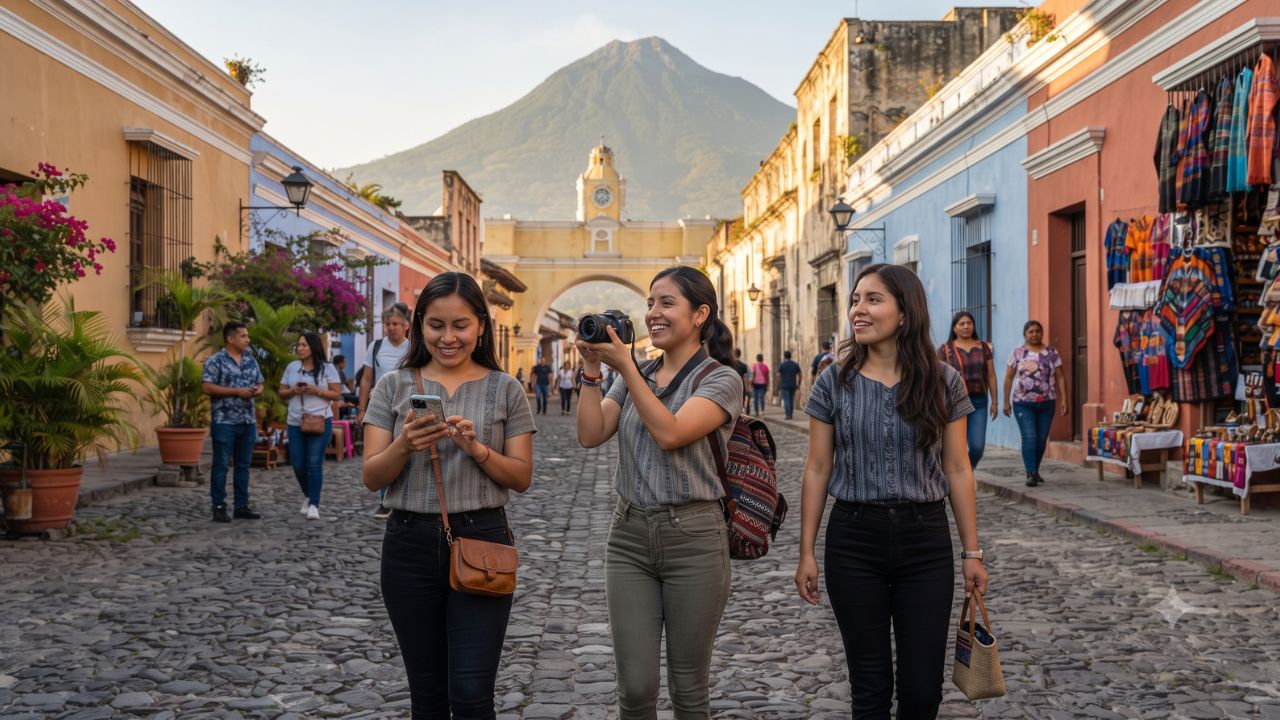
During the first half of 2026, land-border crossings from El Salvador delivered 642,400 visitors to Guatemala—outpacing total United States arrivals by more than 280,000 travelers. According to official UN Tourism metrics, international overnight arrivals in Guatemala climbed 4.2% between January and June 2026, rising from 1,229,404 in the first six months of 2025 to 1,281,483 overnight tourists. When factoring in excursionists and cruise passengers, total non-resident arrivals reached approximately 1.62 million visitors, demonstrating a strategic evolution toward high-retention cultural travel.
The shift marks a transition in Central American tourism economics. While long-haul aviation markets like the United States (361,500 visitors) and Canada (28,900 visitors) drive luxury eco-lodge bookings in Petén and the volcanic highlands, regional road travel from El Salvador and Honduras (153,700 visitors, up 56%) injects steady revenue directly into provincial economies, roadside artisan markets, and family-owned guesthouses.
Inbound Market Matrix: Source Demographics and Travel Patterns
The diversification of Guatemala's visitor base balances high-frequency overland transit with long-distance flight corridors connecting La Aurora International Airport (GUA) with North America, South America, Europe, and Asia.
Guatemala 2026 Inbound Tourism Source Markets (January – June)
| Source Country | H1 2026 Arrivals | Dominant Travel Mode | Primary In-Country Destinations | Strategic Economic Function |
|---|---|---|---|---|
| El Salvador | ~642,400 Visitors | Highway / Overland Border | Guatemala City, Antigua, Pacific Beaches | High-Frequency Baseline & Rural Economic Flow |
| United States | ~361,500 Visitors | Direct International Aviation | Antigua, Lake Atitlán, Tikal (Petén) | High-Spending Multi-Night Heritage & Eco-Lodge Stays |
| Honduras | ~153,700 Visitors | Overland Border Corridors | Eastern Highlands & Shopping Districts | Fast-Growing Regional Driver (+56% Early Growth) |
| Mexico | ~66,600 Visitors | Land (Chiapas) & Direct Flights | Quetzaltenango, Highlands & Capital | Dual-Threat Business, Culture & Shopping (+23% Growth) |
| Colombia | ~40,700 Visitors | Aviation Hub Connections | Colonial Circuits & Volcanic Trekking | South American Gateway (+28% Early Growth) |
| Canada | ~28,900 Visitors | Seasonal Charter & Scheduled Flights | Lake Atitlán & Backcountry Wilderness | Extended-Stay Winter "Snowbird" Demographic |
Aviation infrastructure has scaled in parallel with demand. By mid-2026, roughly 16 international airlines operated routes connecting Guatemala City with nearly 40 global destinations—up from 13 airlines and 30 cities in 2023—bolstered by new non-stop links like the seasonal Guatemala City to San Francisco connection.
What Makes Guatemala Experientially Unique: Highlands to the Caribbean
Guatemala's geographical contrasts allow travelers to journey from active volcanic cordilleras to dense lowland rainforests and Afro-Caribbean coastlines:
- Colonial Heritage in Antigua Guatemala: Inscribed on the UNESCO World Heritage List, Antigua preserves 16th-century Spanish Renaissance street grids, baroque church ruins like Santa Clara and La Merced, and active craft workshops beneath the volcanic cone of Volcán de Agua.
- The Living Maya Highlands of Lake Atitlán: Ringed by steep volcanic calderas, lakeside towns like Santiago Atitlán and San Juan La Laguna preserve indigenous Tz'utujil and Kaqchikel textile weaving cooperatives, backstrap loom arts, and natural vegetable dyeing traditions.
- Ancient Pyramids of Tikal: Located deep in the northern Petén jungle, Tikal National Park preserves monumental Maya ceremonial plazas, where 65-meter Temple IV rises above a canopy alive with howler monkeys and toucans.
- Afro-Caribbean Garifuna Culture in Izabal: On the eastern Caribbean coast along the Gulf of Honduras, the roadless enclave of Livingston presents a distinct Afro-Indigenous Garifuna heritage, renowned for traditional chumba drumming rhythms and tapado—a rich seafood soup simmered with whole snapper, plantains, and fresh coconut milk.
Visitor Insider Tips: Navigating Guatemala Independently
Travelers planning an authentic expedition through INGUAT / Visit Guatemala can maximize cultural immersion while navigating regional transport smoothly:
- Plan Around Cultural Festive Cycles: If traveling during Holy Week (Semana Santa), book accommodations six to nine months in advance. In 2026, Semana Santa generated over 4.2 million domestic and international movements, injecting Q3.618 billion into local businesses as streets across Antigua were blanketed in intricate sawdust carpets (alfombras).
- Take the Boat Gorge to Livingston: Reach the Caribbean coast by boarding a scheduled passenger lancha down the Río Dulce from the town of Fronteras. The two-hour river journey winds through steep limestone river canyons lined with hot thermal springs and water lilies before opening to the ocean.
- Fly Domestically to Tikal (Flores): Avoid the grueling 9-to-10-hour overland bus ride from Guatemala City to Petén by booking a 45-minute scheduled flight from La Aurora Airport (GUA) to Mundo Maya International Airport (FRS) in Flores.
- Respect Village Photography Protocols: When visiting market days in Chichicastenango, Sololá, or Almolonga, always ask permission before taking close-up portraits of indigenous women and children wearing traditional handwoven huipiles.
Cultural and Environmental Context: Sustainable Tourism Master Plan 2026–2036
Under the government's Sustainable Tourism Master Plan 2026–2036, tourism authorities are balancing visitor volume with cultural preservation and environmental protection. In delicate highland watersheds like Lake Atitlán, municipal councils and indigenous elders are installing modern bio-filtration wastewater systems to protect lake clarity from agricultural and runoff pressures.
At the same time, community-based tourism models in Petén allocate a percentage of park entrance fees directly to community forest concessions. Local forestry cooperatives sustainably manage timber harvesting, harvesting wild chicle and xate palms while maintaining zero-deforestation records across vast swaths of the Maya Biosphere Reserve.
FAQ: Visiting Guatemala in 2026
What is the best time of year to visit Guatemala? The dry season from November to April offers clear mountain skies, dry hiking trails up active volcanoes like Acatenango, and pleasant highland temperatures averaging 20°C to 25°C.
Do international tourists need a visa for Guatemala? Citizens of the United States, Canada, the European Union, the United Kingdom, and Australia do not require a tourist visa for stays up to 90 days under the Central America-4 (CA-4) Border Control Agreement.
How do travelers reach Lake Atitlán from Guatemala City Airport? Direct licensed tourist shuttles and private transfers operate from La Aurora Airport to Panajachel (the main lakeside hub) in approximately 3.5 to 4 hours via the Pan-American Highway.
Is it safe to hike volcanoes in Guatemala? Yes, but travelers should always hike with certified INGUAT-registered local mountain guides, register at park ranger stations, and prepare for freezing alpine winds near volcano summits.
Related Travel Guides
- Antigua Guatemala Architectural and Artisan Walking Itinerary
- Lake Atitlán Village Guide: Comparing San Juan, Santiago, and San Marcos
- Official Visit Guatemala Travel Protocols and Interactive Trip Planning Portal
From the mist-shrouded ruins of ancient Petén to the drumming shores of the Caribbean coast, Guatemala reveals a timeless living heritage where every journey across the highlands feels like stepping into history.
Disclaimer
This article is for informational and educational purposes only. It does not constitute legal, financial, or professional advice. While we strive to provide accurate and up-to-date information, travel policies, regulations, and conditions change rapidly. Always verify information with official sources before making travel decisions. Nomad Lawyer makes no representations about the accuracy, reliability, completeness, or suitability of the information provided. Readers should consult qualified professionals for advice specific to their circumstances. The views expressed in this article are those of the author and do not necessarily reflect the views of Nomad Lawyer.
Naina Thakur
Contributor & Travel Specialist
Travel enthusiast and legal writer covering visa regulations, responsible tourism, and cultural journeys across global destinations.
Learn more about our team →