
Guatemala Emerges as Central America's Premier Eco-Tourism Hub for Volcano Adventures and Maya Culture in 2026
Guatemala is positioning itself as the primary alternative to Costa Rica and Mexico, offering a strategic blend of sustainable eco-tourism, active volcano trekking, and ancient Maya archaeological sites for 2026 travelers.

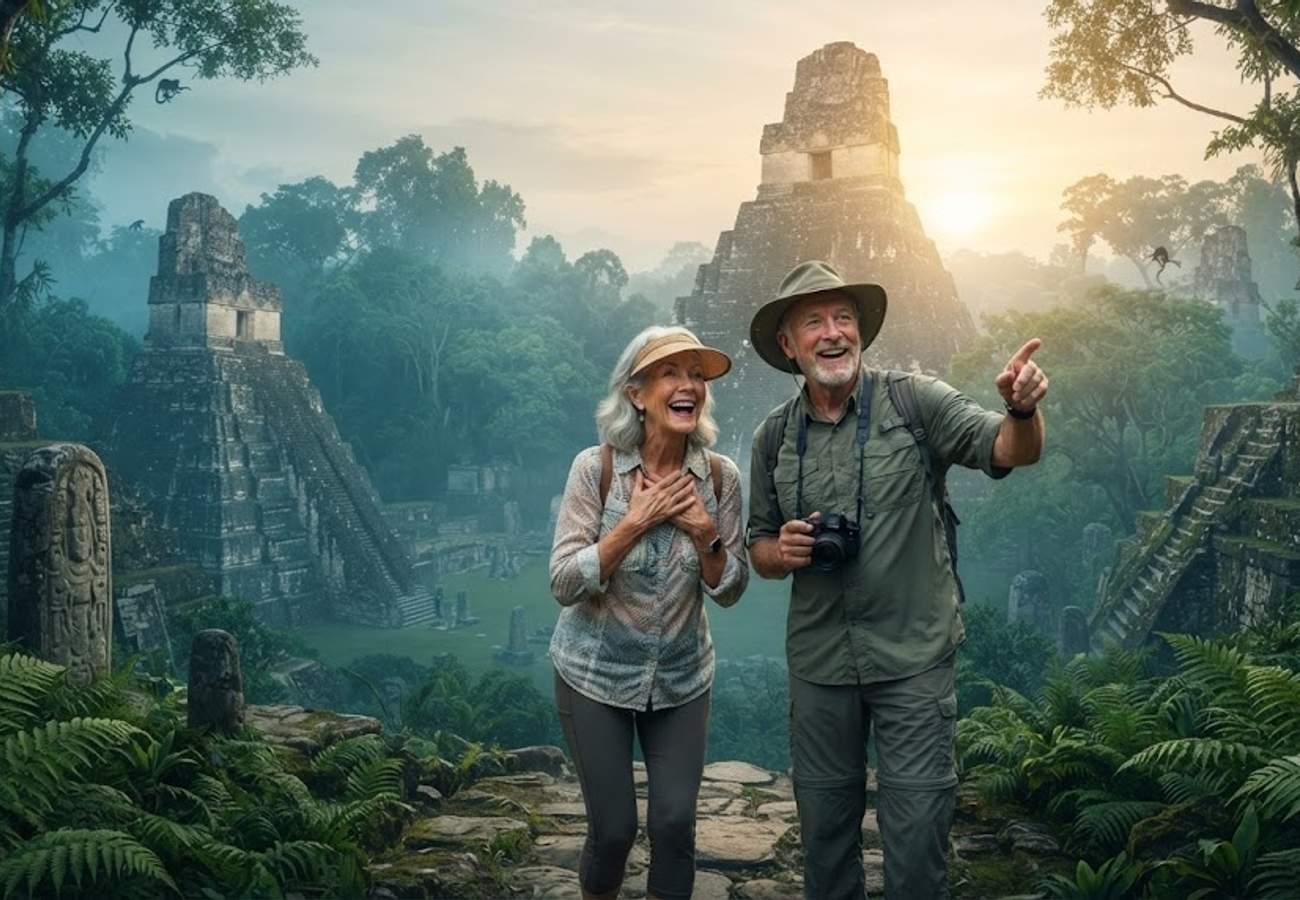
Image generated by AI
Guatemala is rapidly displacing traditional regional favorites like Costa Rica and Mexico as the primary destination for high-value eco-tourism and cultural immersion in Central America. The nation is currently leveraging its unique geography—characterized by active volcanic chains and dense rainforests—to attract a demographic of travelers seeking a blend of sustainable adventure and luxury.
The shift toward Guatemala is driven by the availability of authentic Maya cultural experiences and a diversifying infrastructure that supports both rugged exploration and premium hospitality. From the highlands of Sacatepéquez to the lowland jungles of Petén, the country provides a concentrated variety of transit-accessible attractions.
Regional Transit and Destination Specifications
The following table outlines the primary hubs for outdoor adventure and cultural heritage, including the optimal windows for visitation to avoid peak rainy seasons.
| Destination | Region | Primary Outdoor Activities | Cultural Highlights | Optimal Visit Window |
|---|---|---|---|---|
| Antigua Guatemala | Sacatepéquez | Acatenango Volcano hike, ATV tours | UNESCO colonial architecture, Holy Week | November–April |
| Lake Atitlán | Sololá | Kayaking, paragliding, volcano hiking | Maya weaving cooperatives, local markets | November–May |
| Tikal National Park | Petén | Jungle trekking, sunrise tours | Ancient Maya ruins, archaeological sites | November–April |
| Semuc Champey | Alta Verapaz | Swimming, cave exploration, tubing | Q’eqchi’ Maya community tourism | December–April |
| Chichicastenango | El Quiché | Highland trekking, scenic viewpoints | Indigenous markets, Maya ceremonies | Thu & Sun (Market Days) |
| Río Dulce & Livingston | Izabal | Boat cruises, kayaking, birdwatching | Garifuna culture, Caribbean cuisine | November–May |
| Quetzaltenango (Xela) | Quetzaltenango | Santa María Volcano trek, hot springs | K’iche’ Maya traditions, local festivals | November–April |
High-Impact Transit Hubs and Site Analysis
Antigua Guatemala and the Volcanic Corridor Antigua serves as the primary logistics base for those accessing the Acatenango Volcano. The overnight trek to the summit is a critical draw for adventure tourists, providing a direct view of the active Fuego Volcano. The city's status as a UNESCO World Heritage site ensures a high standard of preserved colonial infrastructure, which supports a growing luxury hotel sector and artisan-led chocolate workshops.
Tikal and the Petén Rainforest Tikal National Park represents the pinnacle of Maya archaeological transit. The site is characterized by massive pyramids and royal palaces integrated into the rainforest. For logistics planning, sunrise tours are the most efficient way to experience the site before peak midday temperatures and crowds arrive. The area is a critical biodiversity zone, hosting howler monkeys and various tropical avian species.
Lake Atitlán’s Indigenous Network Surrounded by three volcanoes, Lake Atitlán operates as a decentralized hub of Maya communities. Transit between villages—such as San Juan La Laguna and Santiago Atitlán—is primarily conducted via water taxis. This allows travelers to move between textile cooperatives and traditional ceremony sites while maintaining a low carbon footprint.
The Caribbean Gateway: Río Dulce and Livingston Unlike the highlands, the Izabal region is accessed via river transit. Boat cruises along the Río Dulce are the only viable method to reach Livingston, a town defined by Garifuna heritage. This route provides a distinct transition from the mountain eco-systems to Caribbean mangroves and wetlands.
Traveler Logistics Guide
For those planning a 2026 expedition to Guatemala, efficient transit requires strategic timing and specific booking protocols:
- Optimal Layover and Timing: To maximize the experience at Chichicastenango, schedule your arrival for a Thursday or Sunday. These are the primary market days; visiting on other days results in a significant loss of cultural "information gain."
- Volcano Trekking Safety: For Acatenango and Santa María, engage certified guides. The terrain is volatile, and official permits are often required to ensure safety and environmental preservation.
- Tikal Access: Most travelers fly from Guatemala City to Flores (FRS) to minimize transit time to Tikal. Ensure you book "Sunrise Entry" tickets in advance to avoid long queues at the park gates.
- Digital and Customs Compliance: Ensure all passports are valid for at least six months beyond the stay. While Guatemala does not currently require a digital transit visa like ETIAS, it is recommended to carry printed copies of hotel reservations and return flights for immigration officials.
- Sustainable Transport: Consider hiring private "Turistas" (shuttles) for inter-city travel between Antigua and Lake Atitlán to ensure safety and reliability over the winding highland roads.
Infrastructure Impact Assessment
The rise of Guatemala as an eco-tourism powerhouse is fundamentally altering regional connectivity. The investment in "community-based tourism," particularly in the Q’eqchi’ Maya regions of Semuc Champey, is shifting economic benefits directly to indigenous populations. This model reduces the reliance on massive resort clusters and promotes a distributed tourism economy.
Furthermore, the integration of luxury travel with rugged adventure (e.g., high-end eco-lodges near Tikal) is attracting a higher-spending demographic, which in turn accelerates the improvement of secondary road networks and regional airstrips. This shift not only boosts the national GDP but also preserves the environmental integrity of the rainforests by incentivizing conservation over industrial exploitation.
Guatemala's strategic pivot toward sustainable, high-impact cultural tourism marks a new era for Central American travel.
Related Travel Guides
Disclaimer
This article is for informational and educational purposes only. It does not constitute legal, financial, or professional advice. While we strive to provide accurate and up-to-date information, travel policies, regulations, and conditions change rapidly. Always verify information with official sources before making travel decisions. Nomad Lawyer makes no representations about the accuracy, reliability, completeness, or suitability of the information provided. Readers should consult qualified professionals for advice specific to their circumstances. The views expressed in this article are those of the author and do not necessarily reflect the views of Nomad Lawyer.
Kunal K Choudhary
Co-Founder & Contributor
A passionate traveller and tech enthusiast. Kunal contributes to the vision and growth of Nomad Lawyer, bringing fresh perspectives and driving the community forward.
Learn more about our team →