
Guanajuato Festival Internacional Cervantino 2026: The Ultimate Insider Cultural Travel Guide

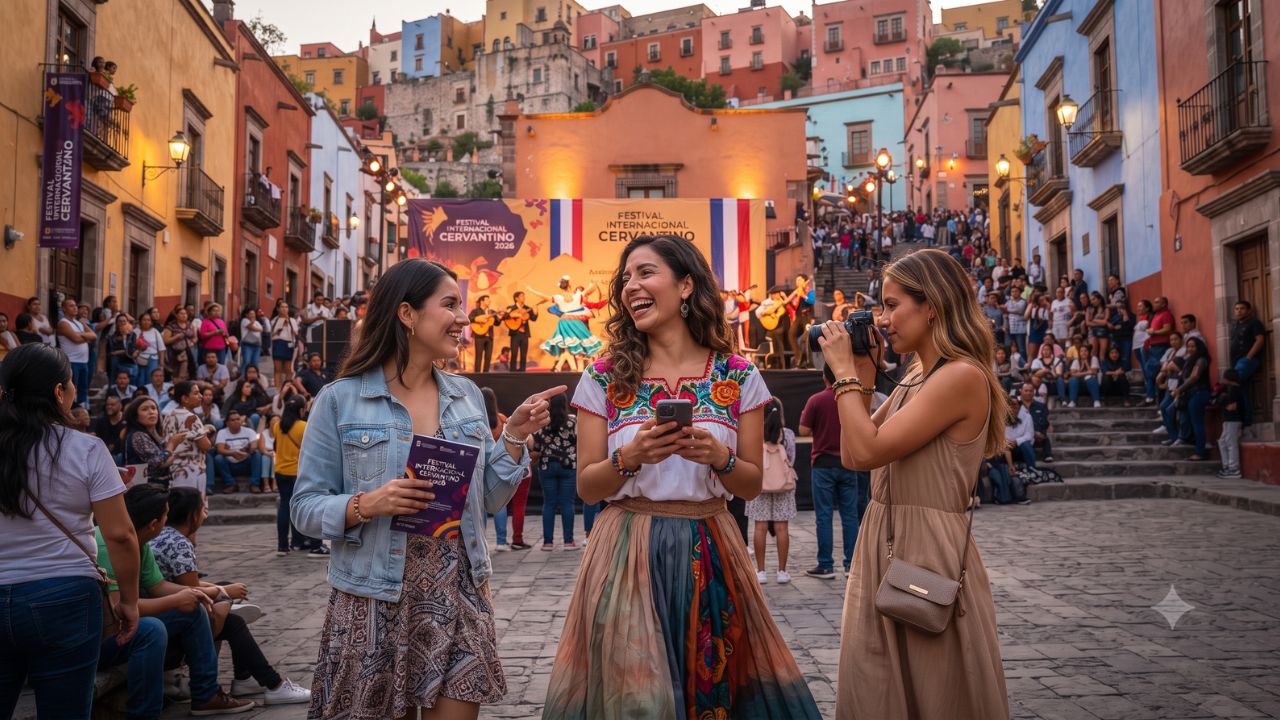
What started in 1953 as guerrilla street theatre in a quiet university plaza now commands 2,746 global performers across 212 separate productions in a single 16-day October spectacle. For the 54th edition of the Festival Internacional Cervantino running from October 3 to October 18, 2026, the subterranean tunnels and pastel hillsides of Guanajuato City transform into the undisputed epicentre of Latin American performing arts.
Celebrated alongside France as the honored guest nation to commemorate 200 years of bilateral diplomatic relations with Mexico, this year’s Cervantino unites creators from 29 sovereign countries. Beyond ticketed auditoriums, the festival spills across cobblestone stairs, colonial plazas, and historic university steps, turning the entire UNESCO World Heritage site of Guanajuato and Adjacent Mines into an open-air theatrical canvas.
Cervantino 2026: Headline Showcases, French Bicentennial, and Global Premieres
The 2026 artistic schedule represents one of the most ambitious cross-cultural gatherings in festival history. Opening night on October 3 explodes at the iconic Explanada de la Alhóndiga de Granaditas with American vocalist Mike Patton leading his Italian orchestral pop project Mondo Cane, setting an eclectic tone that bridges vintage mid-century arrangements with rock energy. The festival draws to a celebratory close on October 18 with French electronic funk maestro Dabeull and his full Live Band.
France’s guest-nation program infuses every creative discipline:
- Choreography and Physical Theatre: French choreographer Leïla Ka presents her celebrated movement piece Maldonne, while the Ballet National de Marseille—directed by the visionary collective (LA)HORDE alongside electronic composer Rone—stages Room With a View on October 17 and 18, integrating 16 elite Mexican dancers directly into the ensemble.
- Orchestral and Vocal Mastery: Classical highlights feature vocal ensemble Les Métaboles and early-music specialists Ensemble Pygmalion, sharing international stages alongside Austria’s Camerata Salzburg with prodigy violinist María Dueñas, the UNAM Philharmonic Orchestra, and Frankfurt’s avant-garde Ensemble Modern.
- First-Ever Open-Air Flamenco Ballet: Spain’s legendary Antonio Gades Company brings its impassioned dance drama Carmen to the open sky of the Alhóndiga on October 10, marking the first time this timeless production is mounted in an outdoor public arena.
- First Nations Contemporary Dance: Australia’s acclaimed Bangarra Dance Theatre performs FuturesPast on October 3 and 4, weaving Indigenous Australian songlines and movement traditions into an exploration of cultural survival and identity.
- Opera and Dramatic Theatre: Operatic stagings span Finnish composer Kaija Saariaho’s contemporary masterpiece Adriana Mater, Jean Cocteau and Philip Glass’s hypnotic film-opera La Belle et la Bête, and Puccini’s dramatic classic Tosca. Theatre companies include Mexico’s Compañía Nacional de Teatro, Uruguay’s Tamara Cubas, Italy’s Sardegna Teatro, and French directors Mohamed El Khatib, Émilie Rousset, and Thomas Quillardet.
- Pop, Latin, and Global Fusion: Vibrant evening stages feature Colombian salsa royalty Grupo Niche, Guatemalan R&B innovator Jesse Baez, electronic dream-pop producer Jackie Mendoza, Mexican tenor Arturo Chacón with Mariachi Gama 1000, Japanese concert pianist Kotaro Fukuma, and Canada’s brass-driven Lemon Bucket Orkestra.
For travelers unable to secure sold-out indoor theatre tickets, the festival provides more than 90 completely free public engagements, including open-air cinema cycles spotlighting Agnès Varda and French electronic pioneer DJ Mehdi, masterclasses, and the visual arts retrospective En busca de lo imposible. In addition, the Cervantino Circuit extends 39 touring artistic groups across 32 cities in 16 Mexican states between September 26 and October 28.
What Makes Guanajuato’s Festival Experience Unmatched
Unlike purpose-built convention centers or standard stadium tours, Cervantino is inseparable from the unique geography of Guanajuato. Built over steep ravines rich with 16th-century silver veins, the city features a labyrinthine underground network of vehicular tunnels carved directly out of solid bedrock, leaving the surface streets entirely to pedestrians.
During Cervantino, public alleys become natural acoustic chambers. A stroll between the Neoclassical facade of Teatro Juárez and the baroque stone plaza of San Roque brings travelers into direct contact with roving student troubadours, experimental performance artists, and impromptu brass bands. The steep hillside terrain forces a slower, observant travel cadence where historic stone steps double as grandstand seating.
Visitor Insider Tips for Cervantino 2026
Navigating Guanajuato during its busiest annual cultural window demands local insight and early preparation:
- Master the Alhóndiga Ticket Protocol: Free general admission tickets for the Explanada de la Alhóndiga de Granaditas are distributed via online registration or early morning queueing at official municipal booths. Line up before 8:00 AM on major performance days, or secure elevated viewing perches along the Calle 28 de Septiembre staircases.
- Navigate the Underground Tunnel Shortcuts: Traffic on surface roads comes to a complete standstill during festival weekends. Use the subterranean pedestrian stairs connecting Avenida Subterránea Miguel Hidalgo to surface plazas like Jardín Unión to bypass street congestion in minutes.
- Taste Regional Culinary Specialties: Skip tourist-heavy patio cafes around the main plaza and head to Mercado Hidalgo for authentic enchiladas mineras (tortillas dipped in guajillo chili sauce, folded over queso fresco, and topped with simmered potatoes and carrots). Pair them with a chilled glass of cebadina, a traditional effervescent fermented barley drink with hibiscus and baking soda.
- Base Yourself in Strategic Barrios: Stay in the tranquil hillside neighborhoods of Presa de la Olla or San Javier rather than directly on Plaza de la Paz to escape late-night street noise while remaining within a pleasant 15-minute walk of major venues.
- Pack Sturdy Footwear and Layers: Guanajuato’s polished cobblestone streets are notoriously slick, and evening temperatures drop rapidly from sunny daytime highs of 24°C down to crisp 10°C mountain nights. Bring broken-in rubber-soled walking shoes and warm wool layers.
Cultural and Environmental Context: Heritage Preservation Amid Festival Crowds
Managing nearly 3,000 visiting artists and tens of thousands of global travelers within a delicate colonial city requires continuous heritage conservation. Guanajuato’s stone structures, ancient drainage canals, and centuries-old wooden theatre interiors face intense structural pressure during festival peaks.
Municipal authorities and Festival Internacional Cervantino organizers enforce strict crowd capacity controls at historic plazas and restrict vehicular access to the central historic district. Simultaneously, the festival serves as a vital economic engine for local artisans, university performers, family-owned guesthouses, and market vendors, ensuring that the legacy of Cervantes remains an authentic community tradition rather than a transient tourist spectacle.
FAQ: Visiting Guanajuato Festival Cervantino 2026
When is the best time to attend Festival Cervantino?
Midweek days (Tuesday through Thursday) offer easier venue access, shorter dining queues, and intimate street interactions compared to high-density Friday-to-Sunday weekend peaks.
How do I travel to Guanajuato City from Mexico City?
Luxury long-distance buses (ETN or Primera Plus) depart regularly from Mexico City's Terminal Norte, reaching Guanajuato in roughly 4.5 hours. Alternatively, fly into Del Bajío International Airport (BJX), located 30 minutes away by taxi.
Do I need advance tickets for every Cervantino show?
Indoor theatrical, operatic, and classical shows at Teatro Juárez and Teatro Principal require advance ticket purchases. However, over 90 outdoor plaza events, exhibitions, and street shows are free to the public.
Is Guanajuato safe for solo cultural travelers?
Yes. Guanajuato is an active university town with high security and visible tourist police throughout Cervantino. Standard precautions regarding pickpockets in dense crowds around Jardín Unión apply.
When dusk settles over the silver hills and trumpets echo through subterranean stone arches, Guanajuato proves that art is not merely observed—it is lived.
Related Travel Guides
Disclaimer
This article is for informational and educational purposes only. It does not constitute legal, financial, or professional advice. While we strive to provide accurate and up-to-date information, travel policies, regulations, and conditions change rapidly. Always verify information with official sources before making travel decisions. Nomad Lawyer makes no representations about the accuracy, reliability, completeness, or suitability of the information provided. Readers should consult qualified professionals for advice specific to their circumstances. The views expressed in this article are those of the author and do not necessarily reflect the views of Nomad Lawyer.
Naina Thakur
Contributor & Travel Specialist
Travel enthusiast and legal writer covering visa regulations, responsible tourism, and cultural journeys across global destinations.
Learn more about our team →