
Greece Implements Off-Peak Travel Shifts to Combat Overtourism and Infrastructure Collapse in 2026
Greece is pivoting toward sustainable off-peak tourism to protect fragile island ecosystems and urban centers from the devastating effects of unchecked visitor growth.

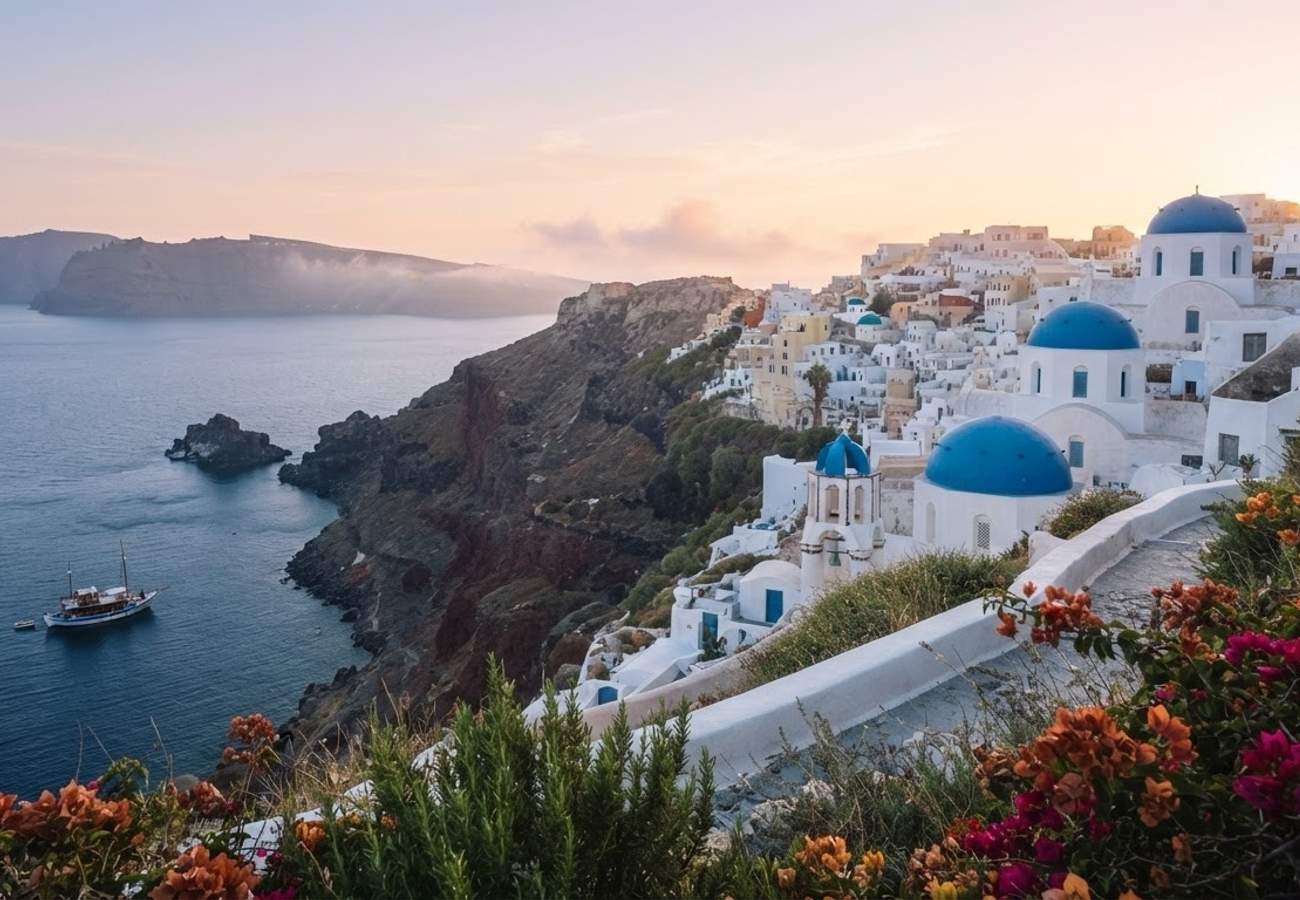
Image generated by AI
Athens, August 20, 2026 — Greece is facing a critical tipping point as the nation attempts to balance a tourism sector that contributes 25% of its GDP against the systemic collapse of its most iconic island paradises. With record-breaking visitor numbers threatening to erase the very scenic beauty and cultural heritage that attract millions, officials are now pushing for a radical shift toward off-peak travel to prevent permanent ecological and social degradation.
The tension between economic necessity and environmental survival has reached a fever pitch. For the modern traveler, the dream of a serene Mediterranean getaway is increasingly replaced by the reality of gridlocked streets, failing water infrastructure, and overcrowded heritage sites. Local communities, struggling to maintain a basic quality of life, are calling for immediate intervention before the "Greek welcome" is replaced by resentment and systemic failure.
Economic Dependency vs. Infrastructure Reality
The financial reliance of the Greek state on leisure travel is profound, acting as the primary engine for national economic stability. Industry data reveals that tourism supports approximately 2 million jobs across various service sectors. In 2024, projections indicated that international and domestic holidaymakers would inject €21 billion directly into the national economy.
However, these financial gains are decoupled from the capacity of the land to support them. In 2023, Greece recorded a staggering 33 million international visitors—a figure that dwarfs the country's actual resident population. This massive influx has placed an unsustainable burden on public utilities, waste management systems, energy grids, and road networks, which were never designed for such extreme densities.
Environmental Degradation in Coastal Zones
The pursuit of immediate revenue has led to a surge in uncontrolled construction. To meet the demand for luxury hotels and villas, native woodlands and coastal vegetation have been cleared, stripping the land of its natural defenses. This deforestation has directly increased the frequency and severity of flash floods during heavy rains, as concrete installations have replaced natural drainage systems.
Water scarcity has become a primary crisis. The commercial demand for high-consumption amenities—specifically luxury swimming pools and expansive water parks—has pushed freshwater resources to a breaking point during the peak summer months. This mismanagement threatens not only the tourist experience but the basic survival of local agriculture and residential water security.
The Santorini Crisis: A Case Study in Imbalance
Santorini serves as the most acute example of the disparity between local capacity and visitor volume. The island maintains a permanent population of roughly 15,500 residents, yet it must accommodate over 5.5 million annual visitors.
This ratio creates an environment of extreme stress. For the traveler, this manifests as:
- Strict and often sudden water conservation mandates.
- Reduced availability of luxury services due to resource rationing.
- Severe congestion at primary viewpoints and historic sites.
- Potential seasonal restrictions on high-impact recreational activities.
Policy Reform and the Shift to Quality Tourism
Industry observers suggest that the current administrative approach, which prioritizes immediate financial yields, is a short-term strategy that risks long-term devaluation. Without a forward-looking strategic vision, Greece may exhaust its natural appeal, driving high-value travelers toward better-managed Mediterranean competitors.
To mitigate this, structural reforms are being proposed, including:
- Strict Building Codes: Limiting the expansion of concrete structures in sensitive zones.
- Visitor Caps: Implementing daily limits on arrivals at fragile heritage sites.
- Environmental Impact Assessments: Mandatory, rigorous audits for all new hospitality developments.
- Dynamic Pricing: Increasing entry fees during peak periods to incentivize off-peak visits.
The Housing Crisis and Urban Erosion
The crisis extends beyond the beaches and into the heart of cities like Athens. The explosion of short-term vacation rentals has cannibalized the local housing market. By converting long-term residential apartments into full-time tourist rentals, essential housing stock has vanished, driving rents to levels that are unaffordable for the local workforce.
This shift has created a paradoxical labor shortage; the teachers, healthcare workers, and service staff required to keep the cities functioning can no longer afford to live in the neighborhoods where they work. This displacement erodes the authentic cultural fabric of historic districts, turning vibrant neighborhoods into sterile corridors of transient visitors.
Why This Matters: The Traveler's New Reality
For the international traveler, these shifts mean the era of "unlimited access" to Greece is ending. The transition toward destination stewardship means that planning a trip to Greece in 2026 and beyond requires a different approach.
From a logistical standpoint, travelers should expect a move toward "slow travel." Visiting in the shoulder seasons (spring and autumn) will likely become the only way to avoid extreme crowds and ensure the availability of services. From a legal and regulatory perspective, the implementation of visitor caps means that "walking in" to major sites may soon be impossible, with mandatory pre-bookings becoming the norm.
Ultimately, this is a fight for the soul of the destination. If Greece successfully pivots to a quality-over-quantity model, it will preserve its heritage for future generations. If it fails, the very assets that drive the €21 billion industry will vanish, leaving behind a depleted landscape incapable of supporting either its people or its guests.
The survival of the Greek paradise now depends on the willingness of the world to visit it less intensely, but more intentionally.
Related Travel Guides
Disclaimer
This article is for informational and educational purposes only. It does not constitute legal, financial, or professional advice. While we strive to provide accurate and up-to-date information, travel policies, regulations, and conditions change rapidly. Always verify information with official sources before making travel decisions. Nomad Lawyer makes no representations about the accuracy, reliability, completeness, or suitability of the information provided. Readers should consult qualified professionals for advice specific to their circumstances. The views expressed in this article are those of the author and do not necessarily reflect the views of Nomad Lawyer.
Kunal K Choudhary
Co-Founder & Contributor
A passionate traveller and tech enthusiast. Kunal contributes to the vision and growth of Nomad Lawyer, bringing fresh perspectives and driving the community forward.
Learn more about our team →