
Greece Claims Title of Greatest Global Beach Travel Destination
Greece claims the top position in global beach travel rankings for 2026, leading European competitors like Spain and Italy with its island diversity.
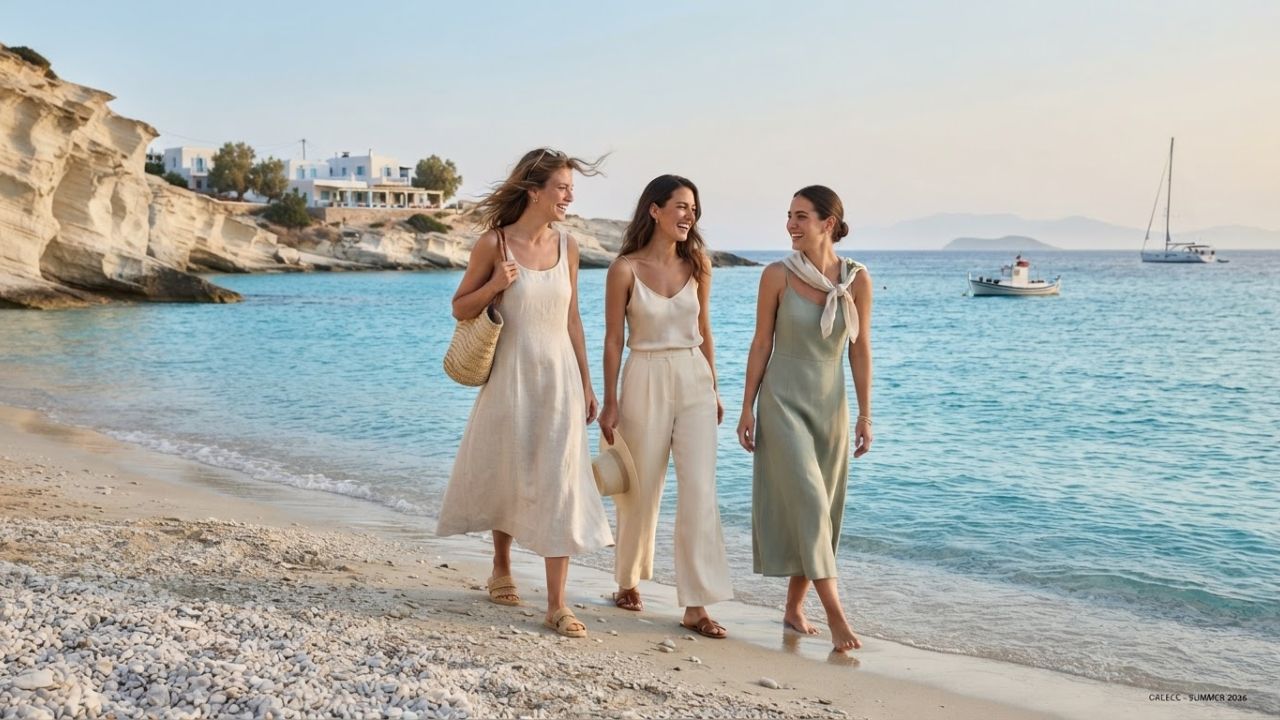
Image generated by AI
Overtaking eight European coastal nations to claim the top position on the global index of premier seaside destinations for 2026, Greece has solidified its status as the world's greatest beach travel destination.
The country leads a highly competitive field, finishing ahead of Spain, Türkiye, Italy, Portugal, France, Cyprus, and Malta in a comprehensive study of coastal diversity, water quality, and visitor satisfaction. By offering a balanced mix of popular island resorts like Santorini and Mykonos alongside quieter mainland destinations, the country provides highly customizable itineraries that combine coastal recreation with heritage tourism, sailing, and Mediterranean gastronomy. To sustain this leading market position, national authorities are implementing updated beach-management frameworks and cruise passenger levies to manage visitor pressure and protect delicate marine environments.
The Local Trend Revealed: Sustainable Coastline Management and Overtourism Mitigation
The top ranking achieved by Greece highlights a broader shift in European coastal tourism where destinations prioritize environmental preservation, local community rights, and infrastructure sustainability over volume-driven growth. Rather than allowing unrestricted commercial development along the coastline, Mediterranean nations are introducing strict regulations to guarantee public access and protect natural marine areas. This strategy helps preserve the visual appeal of coastlines while ensuring that local communities benefit directly from visitor spending.
The implementation of these coastal policies is overseen by the Ministry of Tourism of Greece, which manages national destination planning and coordinates with regional conservation authorities. To protect the physical coastline, the government has enforced a beach-management framework requiring that at least 50% of any public beach remains free of commercial concessions, such as paid sunbeds and umbrellas. According to environmental updates from the European Commission's Coastal Tourism Observatory, establishing highly protected zones—where commercial concessions are prohibited—is a key factor in protecting biodiversity and mitigating the effects of coastal erosion.
Global Beach Travel Rankings and Country Parameters
The 2026 global ranking evaluates destinations through traveler feedback, environmental metrics, and sustainable infrastructure.
The following table details the rankings, primary destinations, and key beach appeal parameters for the leading European coastal nations:
| Global Rank | Country | Key Beach Destinations / Island Groups | Primary Coastal Appeal | Regulatory Focus / Overtourism Measure |
|---|---|---|---|---|
| 1 | Greece | Santorini, Mykonos, Crete, Rhodes, Corfu, Zakynthos | Greek islands, turquoise coves, sailing routes | At least 50% free beach access, Natura protected zones |
| 4 | Spain | Costa del Sol, Mallorca, Ibiza, Tenerife, Gran Canaria | Mediterranean and Atlantic coasts, year-round sun | Municipal smoking bans, Balearic tourist tax updates |
| 7 | Türkiye | Antalya, Bodrum, Marmaris, Fethiye, Kaş, Alanya | Turquoise coast, resorts, affordable sailing | Reduced accommodation tax to 1% for competitiveness |
| 9 | Italy | Sardinia, Sicily, Amalfi Coast, Puglia, Liguria | Diverse coves, culinary heritage, seaside culture | Venice access-fee system, localized beach limits |
| 10 | Portugal | Algarve, Cascais, Nazaré, Madeira, Porto Santo | Atlantic cliffs, dramatic surfing conditions | Focus on public access, coastal erosion monitoring |
| 21 | France | French Riviera, Corsica, Biarritz, Arcachon | Mediterranean glamour, Atlantic surf destinations | Smoke-free public beach policies, local tourist taxes |
| 35 | Cyprus | Ayia Napa, Protaras, Paphos, Larnaca, Nissi Beach | Warm Mediterranean waters, long summer season | Sustainable water quality and resort infrastructure |
| 36 | Malta | Mellieħa Bay, Golden Bay, Comino, Gozo | Compact islands, crystal-clear diving waters | Eco-contribution increase to €1.50 per night |
The global index evaluates overall visitor satisfaction, accessibility, environmental sustainability, and regional cultural integration.
Destination Management and Overtourism Mitigation
Greece's updated tourism strategy introduces specific measures to manage high-volume cruise traffic at its most popular island destinations. During the peak June-to-September summer period, cruise passengers disembarking in Santorini and Mykonos are subject to a €20 fee, with the generated revenues allocated to municipal infrastructure upgrades and local community support. This policy seeks to balance the economic benefits of cruise tourism with the carrying capacity of the islands' transport networks and historic towns.
In Malta, environmental conservation is funded through an updated eco-contribution levy of €1.50 per night for visitors aged 18 and over, helping finance municipal waste management and coastal protection programs. Meanwhile, France is expanding its network of smoke-free public beaches, particularly along the French Riviera and Corsica, to reduce litter and improve public health. These varied approaches demonstrate that maintaining a competitive beach destination in 2026 requires continuous environmental regulation and localized visitor management.
Environmental Stewardship and Community Integration
For the visitor, the real impact is the opportunity to support sustainable coastal ecosystems by choosing low-impact travel options and buying local agricultural products. When travelers choose local sailing charters that utilize wind power over motorized boats, or stay in family-run eco-guesthouses that practice water recycling, they directly support the preservation of fragile island resources.
Supporting regional craft cooperatives, dining at traditional beachfront tavernas that source ingredients from local island farms, and hiring certified local guides for nature hikes ensures that tourism revenues remain within the community. This eco-focus helps preserve the cultural identity of Greek island communities, ensuring that historic villages and marine reserves are protected for future generations.
Local Visitor Insider Tips for the Greek Islands
Travelers planning a beach vacation to Greece can optimize their travel logistics using these recommendations:
- Choosing Off-Peak Travel Windows: Plan island visits during the shoulder seasons (May to June or September to October) to experience the coves and historic sites without peak summer crowds.
- Respecting Protected Natural Zones: When visiting beaches situated within Natura 2000 areas, such as Elafonisi in Crete, avoid removing native sand or plants, and carry out all waste.
- Sampling Culinary Specialties: Try regional seafood specialties, including grilled octopus drizzled with local olive oil, fresh sea bream, and traditional Greek salads topped with authentic block feta cheese.
- Under-the-Radar Spot: Visit the quieter beaches of Milos, such as Tsigrado, which requires climbing down a wooden ladder between cliffs to reach a secluded turquoise cove.
Key Takeaways
- Top Global Rank: Greece claims the No. 1 position on the global beach travel index for 2026, leading major European competitors.
- Beach Access Rules: Updated frameworks guarantee that at least 50% of public beach areas must remain free of commercial concessions and sunbeds.
- Cruise Levy: A peak-season fee of €20 is applied to cruise passengers visiting Santorini and Mykonos to fund municipal infrastructure.
- Regulatory Trend: European beach travel is becoming more regulated, with tourist taxes, smoke-free zones, and access controls expanding across the Mediterranean.
FAQ
Why did Greece introduce a disembarkation fee for cruise passengers?
The €20 peak-season fee is designed to manage high-volume visitor congestion in Santorini and Mykonos, with revenues funding municipal infrastructure upgrades.
What are the beach concession rules in Greece?
By law, at least 50% of each public beach must remain free of paid sunbeds and commercial equipment, with stricter limits enforced in protected Natura areas.
How does Malta fund coastal conservation?
From July 1, 2026, Malta has implemented an updated eco-contribution of €1.50 per night for adult visitors to finance environmental and waste management programs.
Related Travel Guides
Greece Tourism Records Growth in Attica and Ionian Islands
Italy, Greece, and UK Lead European Tourism Surge from US Travelers
Disclaimer
This article is for informational and educational purposes only. It does not constitute legal, financial, or professional advice. While we strive to provide accurate and up-to-date information, travel policies, regulations, and conditions change rapidly. Always verify information with official sources before making travel decisions. Nomad Lawyer makes no representations about the accuracy, reliability, completeness, or suitability of the information provided. Readers should consult qualified professionals for advice specific to their circumstances. The views expressed in this article are those of the author and do not necessarily reflect the views of Nomad Lawyer.