
Grants Inject $766k Into Wheatbelt Tourism Expansion
Nine Wheatbelt projects across Western Australia share $766,000 in Regional Economic Development Grants in 2026, boosting eco-tourism and Aboriginal enterprise ventures across the grain-belt region.

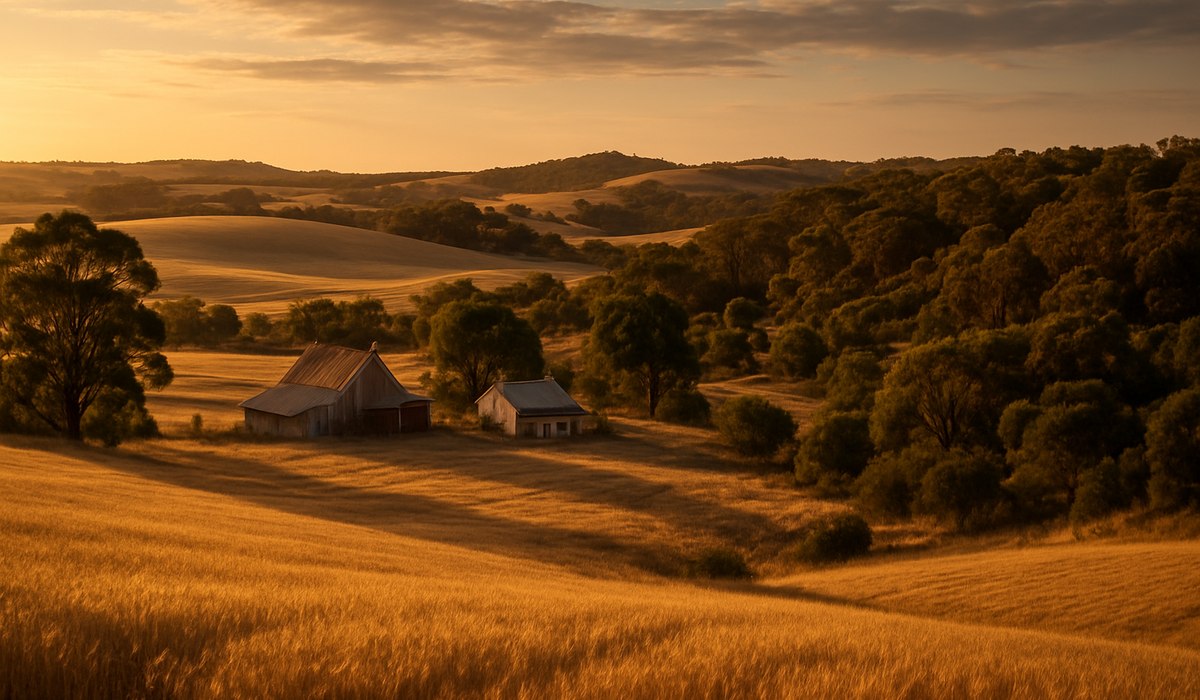
Image generated by AI
Nine Wheatbelt Projects Share Regional Development Grants
Western Australia's Wheatbelt region is receiving $766,000 in Regional Economic Development Grants to fuel tourism growth and business expansion across nine community-led projects. The funding announcement, released in April 2026, targets eco-accommodation ventures, Aboriginal enterprises, and hospitality initiatives designed to diversify the grain-belt economy beyond traditional broadacre farming. This investment marks a continued commitment to stimulating regional activity outside Perth through locally driven enterprises that create employment and attract visitor spending.
The grants inject 766k into strategic initiatives spanning agribusiness, sustainable tourism, advanced manufacturing, and Indigenous business development. Each selected project demonstrates clear pathways toward long-term job creation, private capital leverage, and strengthened local supply chains. Regional development officials emphasize that these grants represent part of an 11-year, multi-million-dollar initiative designed to unlock economic potential in communities scattered across Western Australia's vast agricultural heartland.
Nine Projects Targeted for $766k Wheatbelt Development Boost
The latest funding round brings competitive advantage to nine distinct proposals competing for resources in one of Australia's most productive agricultural regions. Grant recipients span from established farming communities like Mukinbudin and Brookton to emerging manufacturing hubs in Wongan Hills. Each project addresses specific regional gaps—whether developing visitor infrastructure, creating value-added products, or establishing Aboriginal-led enterprises that share cultural heritage with travelers.
Regional development agencies prioritize projects demonstrating environmental sensitivity, community benefit, and commercial viability. The nine-project portfolio reflects strategic alignment with state tourism objectives around dispersing visitor spending beyond major coastal destinations. By anchoring funding across diverse sectors, planners aim to create complementary networks where tourists exploring one attraction discover related experiences—from farm stays to artisan food production to cultural programs.
This clustered approach strengthens the Wheatbelt's competitive positioning against other inland tourism destinations across Australia. Learn more about sustainable tourism funding initiatives in Western Australia through official state resources.
Eco-Accommodation and Nature-Based Tourism Lead Investment
Eco-accommodation emerges as the flagship investment category, with the Mukinbudin farm-stay project securing $100,000 to establish visitor lodges on working agricultural land. The development capitalizes on growing traveler demand for low-impact, nature-immersive experiences featuring granite outcrops, wildflower country, and authentic rural engagement. Guests will participate in farm operations while enjoying stargazing opportunities and conservation-focused activities that define the eastern Wheatbelt landscape.
The Brookton Distillery and Café complements accommodation offerings by creating experiential hospitality infrastructure, receiving $65,000 to showcase locally sourced spirits, food, and agricultural heritage. This venue positions Brookton as a deliberate tourist stop rather than a passing refueling point, extending visitor dwell time and local spending. Regional analysts note that such anchor attractions—combined with eco-lodging options—transform perception of inland Wheatbelt towns from functional agricultural centers into distinctive travel destinations.
Nature-based tourism aligns with national sustainability trends where travelers increasingly prioritize environmental stewardship and authentic local experiences. The Wheatbelt projects reflect this shift by emphasizing conservation partnerships, minimal ecological footprint, and community-centered storytelling. Discover eco-tourism best practices through Australia's peak sustainability tourism body.
Aboriginal Enterprise and Agricultural Value-Adding Priority
Grants inject 766k across multiple priorities, with significant allocation toward Aboriginal enterprise development and Indigenous cultural participation. These projects position First Nations communities as lead storytellers in Wheatbelt tourism, moving beyond passive representation toward active business ownership and revenue generation. Aboriginal-led ventures create pathways for cultural knowledge monetization while maintaining community sovereignty over how heritage is shared with visitors.
Agricultural value-adding projects—including expanded timber processing, fruit processing facilities, and honey production—create secondary visitor experiences beyond farm gates. These manufacturing initiatives generate authentic locally-made products that tourists can purchase, creating memorable takeaways that extend economic impact beyond accommodation and dining. A $115,000 mechanical workshop investment in Wongan Hills addresses practical traveler needs while supporting resident services, improving vehicle reliability for caravan and road-trip tourism.
Each value-adding project strengthens interconnected narratives around Wheatbelt identity. Visitors discovering a local distillery learn about grain cultivation; tourists purchasing artisan honey connect with beekeeping families; caravan travelers benefit from workshop reliability that enables longer inland exploration. This ecosystem approach maximizes tourism multiplier effects throughout the region.
Long-Term Jobs and Regional Diversification Goals
The $766,000 allocation explicitly targets sustainable employment creation beyond seasonal agricultural work. Grant assessment criteria emphasize projects demonstrating capacity to generate permanent positions, attract private investment, and develop career pathways for regional residents. By anchoring tourism and value-added manufacturing investment, the Wheatbelt diversification strategy addresses rural exodus pressures affecting many Australian inland communities.
Economic modeling suggests that accommodation, hospitality, and tourism infrastructure projects typically generate 1.5 to 2.0 indirect jobs for each direct position created. Applied across nine Wheatbelt projects, this multiplier effect could yield 15–25 additional positions throughout supporting industries—transport, supplies, maintenance, and professional services. Aboriginal enterprise investment specifically targets intergenerational wealth creation and youth employment pathways within Indigenous communities historically excluded from tourism revenue.
Regional development assessments track job creation metrics alongside visitor spending dispersal, accommodation bookings, and private capital leverage. Initial grant conditions require progress reporting on employment numbers, wage levels, and career development opportunities to ensure accountability and sustained outcomes beyond funding disbursement.
Key Wheatbelt Development Investment Data
| Project Category | Number of Initiatives | Total Funding Allocation | Primary Focus | Expected Employment Impact |
|---|---|---|---|---|
| Eco-Accommodation & Farm Stays | 2 | $100,000+ | Nature-based tourism, guest experiences | 8–12 direct jobs |
| Hospitality & Beverage Production | 2 | $65,000+ | Distillery, café, local food experience | 6–10 direct jobs |
| Manufacturing & Value-Adding | 3 | $115,000+ | Workshop services, processing, production | 10–15 direct jobs |
| Aboriginal Enterprise | 2 | Portion of allocation | Cultural tourism, Indigenous business | 5–8 direct jobs |
| Regional Economic Development Grants Total | 9 | $766,000 | Diversification across sectors | 29–45 estimated positions |
| Grant Program Duration | Multi-year | Ongoing funding cycles | Economic stimulus outside Perth metro | Long-term regional stabilization |
| Leverage Ratio (Private:Public) | Historical average | 1:2 to 1:3 | Additional private investment | $1.5M–$2.3M potential co-investment |
What This Means for Travelers
Wheatbelt visitors in 2026 and beyond will discover substantially expanded infrastructure, authentic experiences, and economic sustainability across inland Western Australia:
-
Expanded Accommodation Options: New eco-lodges near Mukinbudin provide distinctive farm-stay alternatives to standard motel chains, with integrated stargazing, wildflower experiences, and operational farm engagement—ideal for nature-focused travelers seeking authentic rural immersion.
-
Enhanced Food and Beverage Experiences: The Brookton Distillery and Café creates a curated stop showcasing local grain-based spirits, farm-to-table cuisine, and agricultural heritage storytelling—transforming the town into a deliberate destination rather than a refueling checkpoint.
-
Improved Traveler Services: Investment in Wongan Hills mechanical workshop ensures reliable vehicle maintenance for caravanners and road-trippers, reducing journey disruptions and encouraging longer Wheatbelt explorations by caravan or motorhome.
Disclaimer
This article is for informational and educational purposes only. It does not constitute legal, financial, or professional advice. While we strive to provide accurate and up-to-date information, travel policies, regulations, and conditions change rapidly. Always verify information with official sources before making travel decisions. Nomad Lawyer makes no representations about the accuracy, reliability, completeness, or suitability of the information provided. Readers should consult qualified professionals for advice specific to their circumstances. The views expressed in this article are those of the author and do not necessarily reflect the views of Nomad Lawyer.
Raushan Kumar
Founder & Lead Developer
Full-stack developer with 11+ years of experience and a passionate traveller. Raushan built Nomad Lawyer from the ground up with a vision to create the best travel and law experience on the web.
Learn more about our team →