
Global travel faces unprecedented biometric visa overhaul in 2026
International travel enters a complex era as Europe, North America and Asia simultaneously roll out biometric borders, electronic visas and higher fees throughout 2026, affecting millions of nomadic professionals and leisure travelers worldwide.

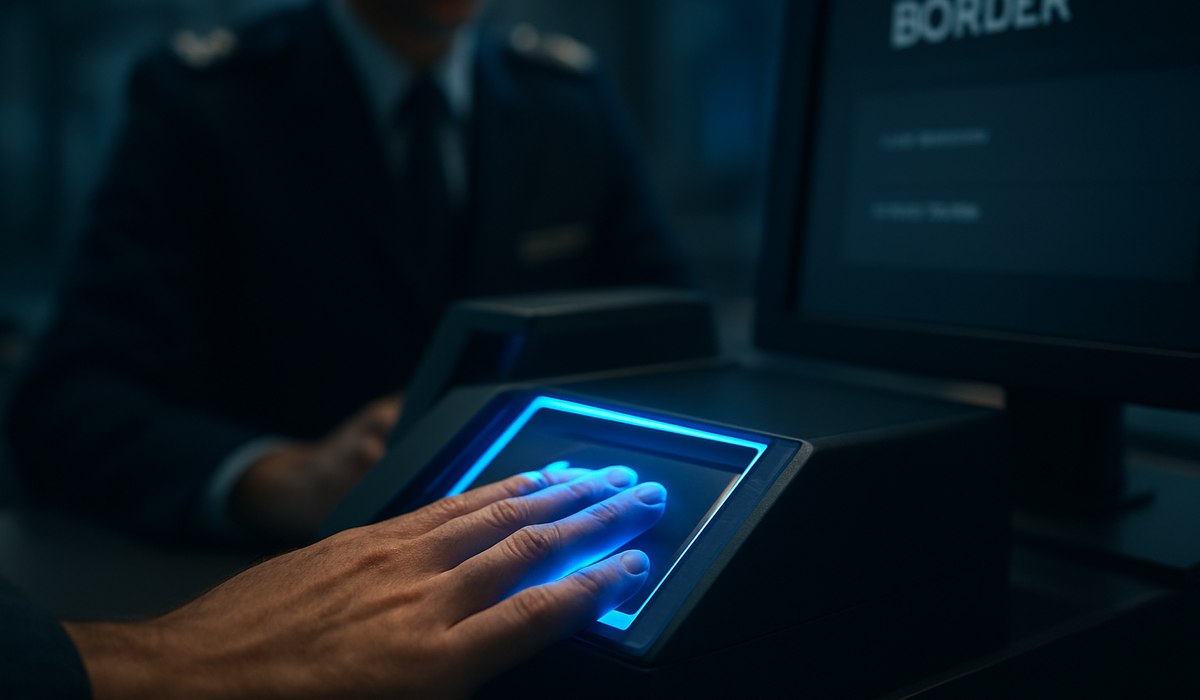
Image generated by AI
International Travel Enters Historic Transformation Era
Global travel faces an unprecedented convergence of regulatory changes. Europe, North America and Asia are simultaneously implementing biometric border systems, electronic travel authorizations and higher processing fees throughout 2026 and 2027. Norway, France, Germany, the United Kingdom, the United States, Thailand and dozens of other nations are rolling out overlapping reforms that will reshape how millions of international travelers navigate entry procedures, timelines and costs.
This synchronized shift marks the most significant transformation in travel documentation since the modern visa system emerged. For digital nomads, business travelers and leisure visitors planning multi-country itineraries, understanding these changes now is essential. The next 24 months will determine how you prepare, budget and schedule international movements.
Europe's Biometric Border Overhaul Reaches Norway and Schengen Members
Norway and fellow Schengen Area members are executing Europe's largest-ever digital border transformation. The European Union's Entry/Exit System (EES) began progressive rollout on October 12, 2025, fundamentally replacing manual passport stamps with automated biometric enrollment for non-EU travelers entering short-stay zones.
The system captures fingerprints, facial imagery and passport data at external border checkpoints across air, land and sea crossings. As of April 2026, member states are still activating the technology at remaining borders, with the transition period extending through mid-2026. Norway's participation in the Schengen framework means visitors encounter identical biometric procedures regardless of whether they arrive in Oslo, Paris, Berlin or Prague.
European Commission documentation confirms that EES automates identity verification, improves overstay detection and enforces the 90-day-in-180-day rule with unprecedented accuracy. Initial reports from travel industry observers indicate longer processing queues during early implementation as border officers collect first-time biometric data. Plan additional time at immigration checkpoints through 2026.
For detailed information on Schengen travel requirements, consult the European Commission's official Entry/Exit System portal and the IATA Travel Centre for real-time updates on processing timelines.
ETIAS Electronic Travel Authorisation Launching Late 2026
Separate from biometric enrollment, the European Travel Information and Authorization System (ETIAS) begins operation in late 2026 for visa-exempt travelers. Citizens of the United States, Canada, United Kingdom and numerous other nations who currently enter Schengen countries with passports alone will require pre-approval.
ETIAS operates as a recurring digital authorization rather than a traditional visa. Applicants will complete online questionnaires, pay processing fees (estimated at €7-15 per authorization) and receive multi-year approval valid across all participating Schengen states. The system screens travelers against security and immigration databases before flight boarding.
This creates a two-step entry requirement: biometric registration upon arrival plus ETIAS pre-clearance before departure. Frequent Schengen visitors should anticipate ETIAS approvals becoming mandatory for 2027 travel. Budget processing fees into annual travel costs and submit applications well in advance of planned departure dates, as processing typically requires several business days during peak travel seasons.
US, Thailand and Other Nations Tightening Visa Requirements
The United Kingdom is implementing its own Electronic Travel Authorisation (ETA) for visitors from non-visa-required countries. The phased rollout continues through 2025, with full implementation requiring all eligible visitors to obtain digital approval before boarding UK-bound flights or ferries.
UK visa application fees have increased steadily since 2024, affecting work permits, study visas and standard visitor categories. The ETA fee itself is scheduled for additional increases, creating recurring expenses for business travelers and digital nomads making regular UK visits. Combined with traditional visa costs, this represents a significant budget increase for multi-country European itineraries.
Across the Atlantic, the United States maintains steady upward pressure on visa processing charges. Non-immigrant visa applications used by tourists, students and temporary workers reflect consistent fee increases. The Electronic System for Travel Authorization (ESTA) remains mandatory for many short-stay visitors from allied nations, adding another approval requirement to pre-travel planning.
Thailand has introduced stricter enforcement of visa-run patterns and repeat short-term entry restrictions. Immigration officials now scrutinize travelers using consecutive border hops or back-to-back exemption extensions rather than formal long-stay visas. Repeat violators face shorter permitted stays, visa denials or entry bans. Thailand is also experimenting with variable visa-free stay durations and enhanced overstay penalty enforcement.
Who Qualifies?
Qualification depends entirely on your nationality, intended stay purpose and duration. The biometric systems (EES in Europe, digital borders in UK, US and Thailand) apply to nearly all non-citizens entering these jurisdictions.
European Schengen Area: Non-EU/EEA nationals arriving for tourism, business or short-term activities automatically enroll in the biometric Entry/Exit System. EU/EEA citizens and their family members have separate procedures. Once ETIAS launches, most US, Canadian, UK and other visa-exempt nationalities require pre-approval.
United Kingdom: Visitors from historically visa-waiver countries must obtain Electronic Travel Authorization. Citizens of countries currently requiring traditional visas follow existing visa processes.
United States: Nationals from ESTA-eligible countries (primarily Western Europe, Australia, Japan, South Korea) must maintain valid ESTA approval. All other nationalities require traditional visas.
Thailand: All foreign nationals must comply with visa requirements or visa exemptions established by Thailand's immigration authority. This varies by nationality and purpose.
Check the IATA Travel Centre to determine specific requirements for your nationality and destination combination.
How to Apply Step by Step
European Biometric Entry (Automatic Upon Arrival)
- Arrive at external Schengen border checkpoint
- Present valid passport to border officer
- Provide fingerprints and facial scan at biometric kiosk
- Receive entry stamp or digital record
- Proceed through border
No advance application required. The process occurs upon arrival, though processing times have increased during 2026 rollout phases.
ETIAS Application (Late 2026 Onward)
- Visit the official ETIAS portal (launching Q4 2026)
- Complete online questionnaire with personal, travel and security information
- Pay processing fee (€7-15 estimated)
- Submit application and supporting documents if requested
- Receive approval via email (typically within 72 business hours)
- Retain authorization confirmation for travel
Applications require valid email address, passport number and travel plans. Processing occurs entirely online.
UK Electronic Travel Authorisation
- Visit UK Government's ETA portal
- Enter personal details, passport information and travel purpose
- Submit biometric data if prompted
- Pay ETA fee (current fee £10, subject to increase)
- Receive approval notification
- Proceed with UK travel
US ESTA Application
- Access the official ESTA application website
- Complete personal and travel information questionnaire
- Pay processing fee ($14 USD)
- Receive approval (typically immediate)
- Proceed with US travel
ESTA remains valid for two years or until passport expiration, whichever comes first.
Thailand Visa Application
Contact the Royal Thai Embassy in your country or apply through authorized visa agents. Requirements vary significantly by nationality and stay purpose.
Impact Data: 2026 Travel Changes at a Glance
| Region/Country | System
Disclaimer
This article is for informational and educational purposes only. It does not constitute legal, financial, or professional advice. While we strive to provide accurate and up-to-date information, travel policies, regulations, and conditions change rapidly. Always verify information with official sources before making travel decisions. Nomad Lawyer makes no representations about the accuracy, reliability, completeness, or suitability of the information provided. Readers should consult qualified professionals for advice specific to their circumstances. The views expressed in this article are those of the author and do not necessarily reflect the views of Nomad Lawyer.
Preeti Gunjan
Contributor & Community Manager
A passionate traveller and community builder. Preeti helps grow the Nomad Lawyer community, fostering engagement and bringing the reader experience to life.
Learn more about our team →