
Why Global Sports Events Cost More Than Tourism Booms Generate
France and Spain hit record tourism highs in 2025, yet Namibian boxing promoters face visa delays, soaring fares, and hospitality chaos. The hidden financial crisis behind international sports events reveals a dangerous gap.

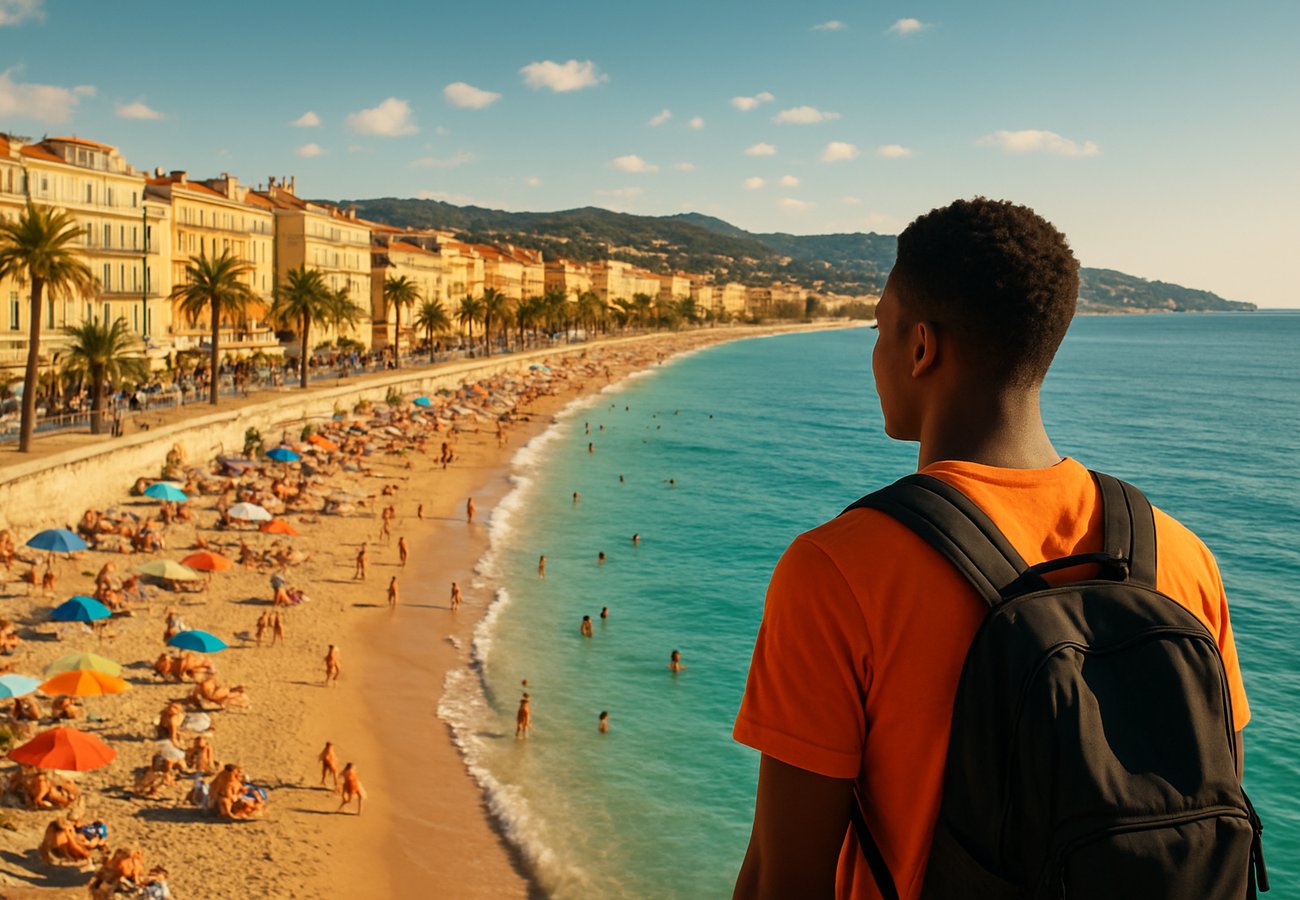
Image generated by AI
The Tourism Paradox Nobody's Talking About
France just recorded 102 million international visitors in 2025 with €77.5 billion in tourism receipts—a 9% jump from 2024. Spain crushed expectations with 96.8 million arrivals and €134.7 billion in spending. India, Thailand, and Mexico are all reporting unprecedented travel booms.
Yet here's the uncomfortable truth: while leisure travelers flood European beaches and Asian temples, international sporting events are crumbling under the weight of visa bureaucracy, medical compliance chaos, and airline costs that dwarf typical tourism spending.
Namibian boxing promoters trying to host world-class events are caught in a perfect storm. And their struggle exposes a systemic breakdown in how countries manage international athlete entry.
The Namibia Boxing Crisis: A Case Study in Hidden Costs
When international boxing tournaments come to Namibia, promoters aren't just booking flights and hotels. They're navigating a labyrinth of administrative nightmares that tourists will never encounter.
Visa delays push event timelines into chaos. Athletes arrive late. Training schedules collapse. Medical compliance documentation—blood work, neurological scans, injury certifications—must be gathered across multiple countries before entry is even approved. Then airline costs spike because premium routing becomes mandatory. Finally, hospitality contracts lock promoters into inflated rates during event seasons.
Reddit: "I tried to bring a team to a sporting event last year. The visa delays alone cost us $40,000 in rebooking fees." — r/travel
The math doesn't work. A single international boxing event in Namibia can cost $2-3 million in travel logistics alone—before ticket sales or sponsorship revenue is factored in. Meanwhile, a French restaurant hosting 200 American tourists generates the same economic impact with zero visa friction.
What the 2025 Tourism Data Actually Reveals
The contrast is stark:
France: 102 million visitors; €77.5 billion receipts (+9%) Spain: 96.8 million arrivals; €134.7 billion spending (+6.8%) United States: 4 million fewer visitors in 2025 vs. 2024 (decline) India: 20.57 million international arrivals (provisional) Mauritius: +3.9% growth in visitor arrivals Thailand: Record international arrivals across 2025
The U.S. decline is particularly revealing. 4 million fewer international visitors signals that entry policy directly impacts destination competitiveness. Countries with streamlined visa processes see tourism surge. Countries with rigid requirements watch visitors disappear—and event organizers flee to easier markets.
Why Sports Travel Costs 5x More Than Tourism
The economics are brutal.
1. Visa Red Tape Creates Timeline Cascades
Leisure travelers: 30-day visa process, straightforward documentation.
Athletes and event staff: Medical clearances, team certifications, equipment permits, transit visas for connecting flights. A single delayed visa approval ripples backward—airlines must rebook at premium fares, accommodation blocks collapse, backup flights cost double.
For Namibian boxing events, visa delays have added an average of $15,000-$30,000 per international team roster.
2. Flight Routing Becomes Nightmarishly Expensive
Tourism travel follows efficient routes: Los Angeles to Paris direct. Event travel mirrors bureaucratic geography: athlete departs Los Angeles → transit visa required in London → connects to Johannesburg → final leg to Windhoek, Namibia. Three cities instead of two. Three sets of medical documentation. Three airline tickets. Premium fares apply on every segment.
Airlines benefit from tourism volume; events drain margins through irregular routing and small-group bookings.
3. Medical Compliance Documentation Is an Invisible Tax
Boxing events require neurological evaluations, blood panels, and cardiac clearances. These aren't standard travel documents—they're event-specific legal requirements. The cost to assemble these across international athletes: $500-$2,000 per athlete. For a 50-person delegation, that's $25,000-$100,000 in pure medical administration before anyone boards a plane.
4. Hospitality Costs Skyrocket During Event Windows
Hotels know events are coming. Prices triple. Short-term rental owners hike nightly rates. Restaurants add event surcharges. Promoters have contractual obligations to house athletes in specific accommodations—they can't pivot to budget alternatives. This creates artificial inflation that tourism data completely obscures.
A 100-person team requiring private transportation, secure accommodation, and catered meals for 10 days can exceed $200,000 easily. Tourists booking casually pay 40% less for identical services.
The Global Divide: Winners and Losers
France: Tourism Booms, But Sports Entry Stays Complicated
102 million visitors generating €77.5 billion proves France's leisure appeal is unmatched. But French visa procedures for athlete delegation entry remain bureaucratic. Small-market sporting events don't get fast-tracked. The tourism success masks the sports travel friction underneath.
Spain: Infrastructure Strain Meets Event Demands
With 96.8 million arrivals and €134.7 billion in spending, Spain's accommodation sector is stretched thin. Event promoters competing for scarce hotel inventory during peak seasons face prices 200-300% above baseline. A tourism boom can paradoxically make events more expensive to host.
United States: The Policy Consequence
The 4 million visitor decline in 2025 speaks volumes. Stricter entry policies deterring leisure travelers simultaneously deter event organizers. Why host an international boxing tournament in Las Vegas if athlete visa approval takes 90 days? Organizers migrate to jurisdictions offering fast-track event visas.
This isn't just a U.S. problem—it's a competitive disadvantage.
India: Growth But Athlete Entry Remains Fractured
20.57 million international arrivals masks a deeper issue: India's general tourism processes don't translate to streamlined athlete entry. Sports teams face duplicative documentation requirements. Medical compliance standards shift by state. The absence of a unified, open-category athlete visa creates unnecessary delays.
The Hidden Financial Risk Matrix
Here's what nobody quantifies in tourism revenue reports:
Airline Premiums on Event Travel: +$800-$2,400 per ticket vs. leisure pricing Visa Processing Delays: $10,000-$50,000 per event in rescheduling costs Medical Compliance Administration: $500-$2,000 per athlete Hospitality Surge Pricing: +200-300% above baseline during event windows Transportation & Logistics Contracts: Fixed cost regardless of attendance swings
Add these up for a mid-sized international sporting event: $500,000-$1.5 million in pure friction costs—before venue rental, talent fees, or marketing.
Meanwhile, a tourism destination generating $500 million in annual leisure travel revenue requires no visa streamlining, no medical compliance, no contractual accommodation reserves.
What Event Organizers and Travelers Should Do Right Now
Document Everything in Advance
Don't wait for event confirmation to gather visas and medical records. Start 120 days before travel. Missing a single document creates cascade delays.
Book Flexible Everything
Rigid airline tickets and non-refundable accommodations are financial disasters during event seasons. Event-related cancellations or rescheduling happen constantly. Pay the premium for flexibility.
Know Your Insurance Rights
Standard travel insurance excludes event-related cancellations. Purchase event-specific coverage that protects against visa delays, medical requirement changes, and airline disruptions.
Factor Event Surcharges Into Real Budgets
Don't use leisure travel pricing as your baseline. Events add 40-60% to every travel component. Budget accordingly.
Build Advocacy Pressure on Visa Authorities
Countries competing for international sporting events should be creating fast-track athlete visa categories. France, Spain, and India all have the tourism infrastructure to dominate global sports. What they lack is streamlined athlete entry processes. Organizers should publicly campaign for this.
The Broader Industry Breakdown
Destination Competitiveness Is Shifting Toward Visa Efficiency
Countries simplifying athlete entry will capture the global sports events market. Thailand, Mexico, and Portugal are quietly building this advantage. The U.S. is losing it.
Tourism Revenue Doesn't Equal Events Revenue
High leisure travel numbers don't translate to successful event hosting. The economic models are completely different. A country can be a tourism powerhouse while being a terrible sports event destination.
Airlines Are Optimizing for Volume, Not Complexity
Premium event routing is profitable short-term but operationally messy. Airlines increasingly prefer tourism volume. This pushes events toward secondary destinations where routing is simpler—and visa requirements are less rigid.
FAQs
Why costs spike so dramatically for sports events vs. casual travel
Event athletes require multi-layered documentation (medical, visa, equipment), contractual hospitality commitments, and premium routing due to visa geography. Casual tourists book efficiently with minimal friction.
Which countries are actually winning the sports events competition right now
Mexico, Thailand, and Portugal are building fast-track athlete visa systems. France and Spain have tourism volume but haven't invested in sports entry streamlining. The U.S. is losing competitiveness due to entry policy friction.
How can promoters reduce event travel costs by 30%
Book 120+ days in advance to avoid rush visa processing and airline premiums. Negotiate block hospitality rates pre-event rather than during peak season. Use event-specific travel insurance to mitigate cancellation penalties.
What's the realistic ROI on hosting international sporting events
Events typically generate 60-70% of their travel costs in direct economic impact. The remaining 30-40% comes from sponsorship and media rights. Without subsidies or tourism spillover, events barely break even—which explains why only wealthy destinations can sustain them.
The tourism boom is real—but it's hiding the sports event crisis right underneath it.
Related Travel Guides
Disclaimer
This article is for informational and educational purposes only. It does not constitute legal, financial, or professional advice. While we strive to provide accurate and up-to-date information, travel policies, regulations, and conditions change rapidly. Always verify information with official sources before making travel decisions. Nomad Lawyer makes no representations about the accuracy, reliability, completeness, or suitability of the information provided. Readers should consult qualified professionals for advice specific to their circumstances. The views expressed in this article are those of the author and do not necessarily reflect the views of Nomad Lawyer.
Raushan Kumar
Founder & Lead Developer
Full-stack developer with 11+ years of experience and a passionate traveller. Raushan built Nomad Lawyer from the ground up with a vision to create the best travel and law experience on the web.
Learn more about our team →