
Global Jet Fuel Crisis 2026: Strait of Hormuz Blockade Triggers Massive Flight Cancellations Across Europe and Asia
The global aviation industry faces a severe jet fuel crisis as Iran’s blockade of the Strait of Hormuz halts exports from the Gulf, forcing mass flight cuts in Germany, France, UK, and Japan.

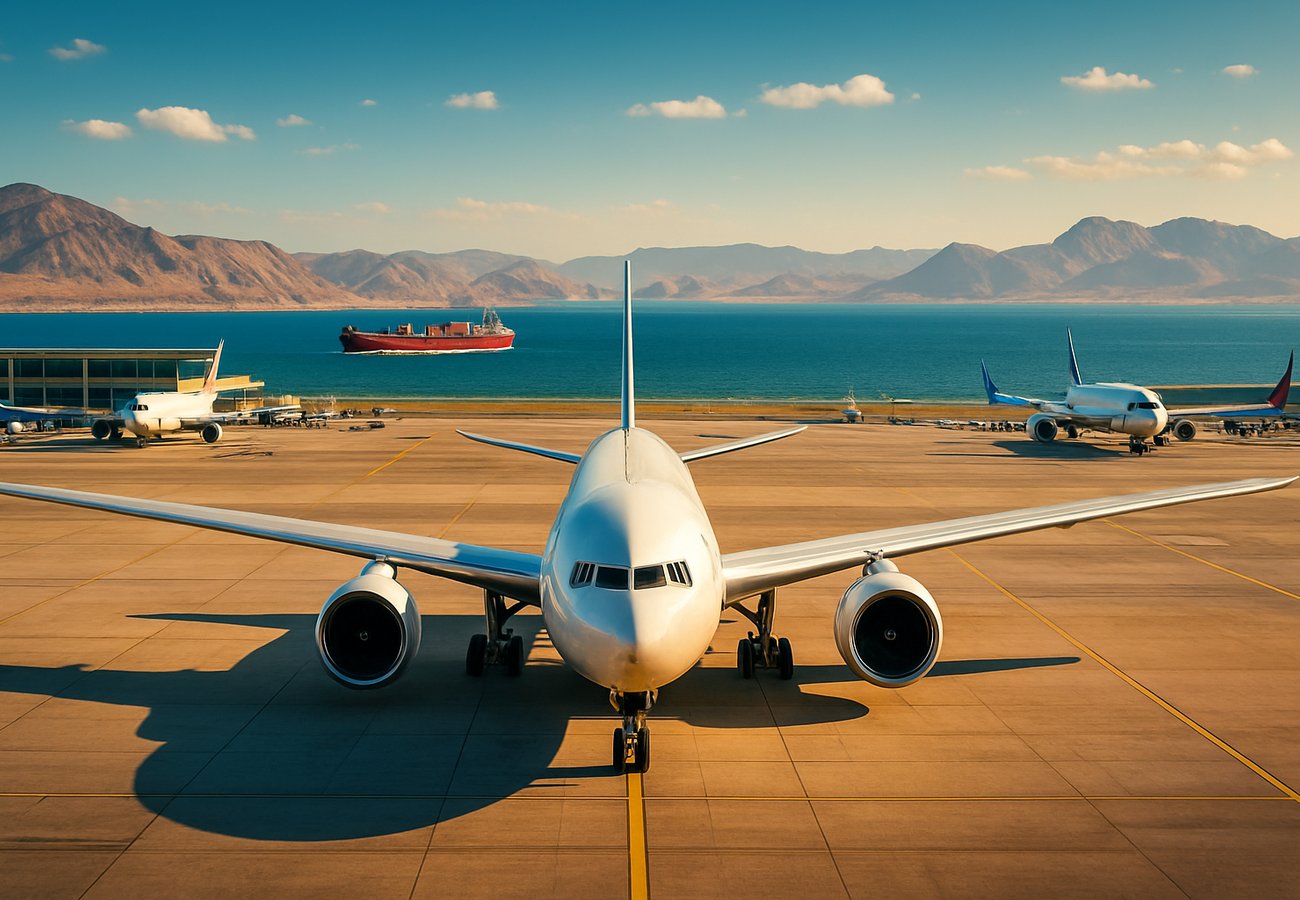
Image generated by AI
Quick Summary
- Aviation Emergency: A global jet fuel shortage is triggering mass flight cancellations and operational collapses across Germany, France, the UK, Japan, and China.
- Blockade Impact: Iran’s blockade of the Strait of Hormuz has halted critical fuel exports from Saudi Arabia, UAE, Qatar, and Bahrain, disrupting one-third of the world’s petroleum trade.
- Europe Slashing Flights: Lufthansa has cancelled thousands of flights; Air France-KLM and British Airways are cutting long-haul and short-haul capacity due to a 20% supply deficit.
- Asia in Crisis: Japan faces an acute shortage, having previously relied on the Gulf for 80% of its jet fuel. ANA and JAL have significantly reduced long-haul operations.
- China Disruption: Major carriers including China Eastern and Air China have reduced domestic and international services as reserves dwindle.
- Logistics Strain: India is facing skyrocketing costs and logistical challenges, with the government pushing for emergency alternative sourcing.
- Traveler Impact: Airfares are rising sharply as airlines pass on fuel costs; major hubs like Frankfurt, Heathrow, and Narita report widespread delays.
- Source: Global aviation reports, airline operational updates, and geopolitical energy analysis as of May 7, 2026.
The global aviation industry has entered its most critical phase of the decade as a systemic jet fuel shortage severs international travel corridors. On May 7, 2026, the blockade of the Strait of Hormuz—a chokepoint responsible for nearly 33% of the world’s petroleum trade—has effectively cut off the primary fuel supply for Europe and Asia. Nations like Germany and Japan, which depend heavily on Gulf exports from Saudi Arabia and the UAE, are seeing their largest carriers grounded. With fuel prices reaching record highs and reserves at critical levels, the aviation industry is on the brink of a multi-regional collapse. Travelers are facing a summer season defined by unpredictable cancellations, rising ticket costs, and significant delays at the world's busiest hubs. While governments scramble to secure alternative supplies from the U.S. and Latin America, the sheer scale of the disruption suggests a prolonged period of volatility for global air mobility.
Global Aviation Fuel Crisis: Impact by Nation and Sector
The following table summarizes the severity of the jet fuel shortage and its immediate impact on major aviation markets.
| Nation / Region | Fuel Dependency (Gulf) | Primary Impact | Status / Sector |
|---|---|---|---|
| Japan | 80% | Acute Shortage | ANA/JAL Ops Reduced |
| Germany | High | Thousands Cancelled | Lufthansa Emergency |
| France / UK | ~20% | Significant Cuts | BA/Air France Disruption |
| China | High | Reduced Services | China Eastern/Air China |
| India | High | Skyrocketing Costs | Logistical Emergency |
| Gulf Exporters | N/A | Blockaded Exports | Saudi/UAE/Qatar Halt |
| Global Hubs | N/A | Widespread Delays | Heathrow/Frankfurt/Narita |
| Strait of Hormuz | 33% Global Oil | Full Blockade | Critical Supply Severed |
Geopolitical Chokepoint: The Blockade of the Strait of Hormuz
The current crisis is centered on the closure of the world's most vital energy waterway:
- Supply Severance: The blockade has halted the movement of refined jet fuel from Saudi Arabia, the UAE, Qatar, and Bahrain, which are the primary providers for the European and Asian markets.
- Global Petroleum Trade: Nearly one-third of the world’s petroleum and refined products pass through this Strait; the interruption is causing an immediate ripple effect across global refineries.
- Refinery Paralysis: Refineries in China and South Korea are unable to meet domestic demand due to the lack of crude and refined feedstock from the Gulf.
Europe in Distress: Lufthansa and British Airways Slash Summer Schedules
Europe is facing an aviation downturn as primary fuel corridors are cut:
- Lufthansa (Germany): The carrier has announced the cancellation of thousands of flights, focusing on reducing short-haul services to conserve remaining fuel for essential long-haul routes.
- France & UK: Airlines like Air France-KLM and British Airways, which relied on the Gulf for 20% of their fuel, are cutting back on services at London Heathrow and Paris Charles de Gaulle.
- Belgium & Italy: Major hubs like Brussels and Rome are seeing significantly reduced flight volumes as governments struggle to find alternative suppliers.
Asia’s Acute Shortage: Japan and China Face 80% Supply Disruption
The impact in Asia is particularly severe due to higher dependency on Middle Eastern energy:
- Japan’s Vulnerability: With 80% of its jet fuel previously sourced from the Gulf, major carriers like ANA and JAL are dealing with limited availability and massive price hikes.
- China’s Fuel Desperation: One of the world's largest consumers is seeing major disruptions, with Air China and China Eastern reducing services as the Persian Gulf flow stops.
- Refinery Struggles: Refineries across East Asia are reporting a critical lack of supply, hindering their ability to support domestic aviation needs.
Economic Impact on Travelers: Rising Fares and Operational Delays
The fuel crisis is being felt directly by the traveling public:
- Ticket Price Hikes: Airlines are passing on the skyrocketing cost of fuel to passengers, leading to a sharp increase in ticket prices for the summer 2026 season.
- Unpredictable Schedules: Flight reductions and cancellations are becoming the norm, with travelers facing mounting frustration due to late-stage schedule changes.
- Tourism Concern: Nations dependent on summer tourism are bracing for a drop in arrivals as the aviation collapse dampens travel demand.
Logistics Crisis in India: Emergency Measures for Alternative Fuel Sourcing
India is facing a unique set of logistical challenges:
- Supply Shortages: Crude oil and jet fuel imports from the Gulf have been severely impacted, leading to significant shortages at major Indian airports.
- Emergency Sourcing: The Indian government is pushing for emergency measures to secure fuel from the U.S., Russia, and Latin America, though the process is hampered by high global demand.
- Cost Absorption: Indian airlines are struggling to absorb the price hikes, leading to potential delays and further cancellations.
Impact on Major Global Hubs: Heathrow, Frankfurt, and Narita Alerts
The world's busiest aviation centers are operating under emergency conditions:
- Heathrow & Frankfurt: These hubs are seeing a growing number of delayed and cancelled flights as European carriers prioritize fuel conservation.
- Narita & Beijing Capital: Asian hubs are reporting similar disruptions, with long-haul connections being the first to be cut to manage limited reserves.
- Refueling Challenges: Some airlines are forced to make additional stops for refueling in countries with more stable supplies, increasing flight times and costs.
Conclusion: A Precarious Outlook for the Summer 2026 Travel Season
The May 7, 2026, aviation fuel alert confirms that the global travel economy is in a state of high vulnerability. The blockade of the Strait of Hormuz has created a supply vacuum that alternative sources in the U.S. and Russia cannot immediately fill. For travelers, the coming months will be defined by rising costs, reduced flight availability, and a general sense of uncertainty. Airlines and governments are in a race against time to restore fuel corridors and stabilize prices, but until a geopolitical resolution is reached, the aviation industry will remain on the brink of a systemic collapse. Travelers are advised to confirm flight statuses frequently and prepare for significantly higher travel budgets.
FAQ: Global Jet Fuel Crisis May 2026
Why is there a global jet fuel shortage? The shortage is caused by Iran's blockade of the Strait of Hormuz, which has stopped fuel exports from Saudi Arabia, UAE, Qatar, and Bahrain.
Which airlines are most affected? Lufthansa, British Airways, Air France-KLM, ANA, JAL, and major Chinese carriers have all announced significant flight cuts.
Will ticket prices increase? Yes, airlines are already passing the skyrocketing cost of fuel on to passengers, leading to sharp increases in ticket prices globally.
Related Travel Alerts
Disclaimer
This article is for informational and educational purposes only. It does not constitute legal, financial, or professional advice. While we strive to provide accurate and up-to-date information, travel policies, regulations, and conditions change rapidly. Always verify information with official sources before making travel decisions. Nomad Lawyer makes no representations about the accuracy, reliability, completeness, or suitability of the information provided. Readers should consult qualified professionals for advice specific to their circumstances. The views expressed in this article are those of the author and do not necessarily reflect the views of Nomad Lawyer.
Kunal K Choudhary
Co-Founder & Contributor
A passionate traveller and tech enthusiast. Kunal contributes to the vision and growth of Nomad Lawyer, bringing fresh perspectives and driving the community forward.
Learn more about our team →