
Global Cruise Shockwave Ignites a Worldwide Tourism Frenzy as TUI River Cruises Unleashes a Record-Breaking 37 Winter 2027 Sailings in an Explosive European River Travel Expansion Boom Surge
TUI River Cruises announces a record 37 sailings for Winter 2027, signaling a massive expansion in European river touris

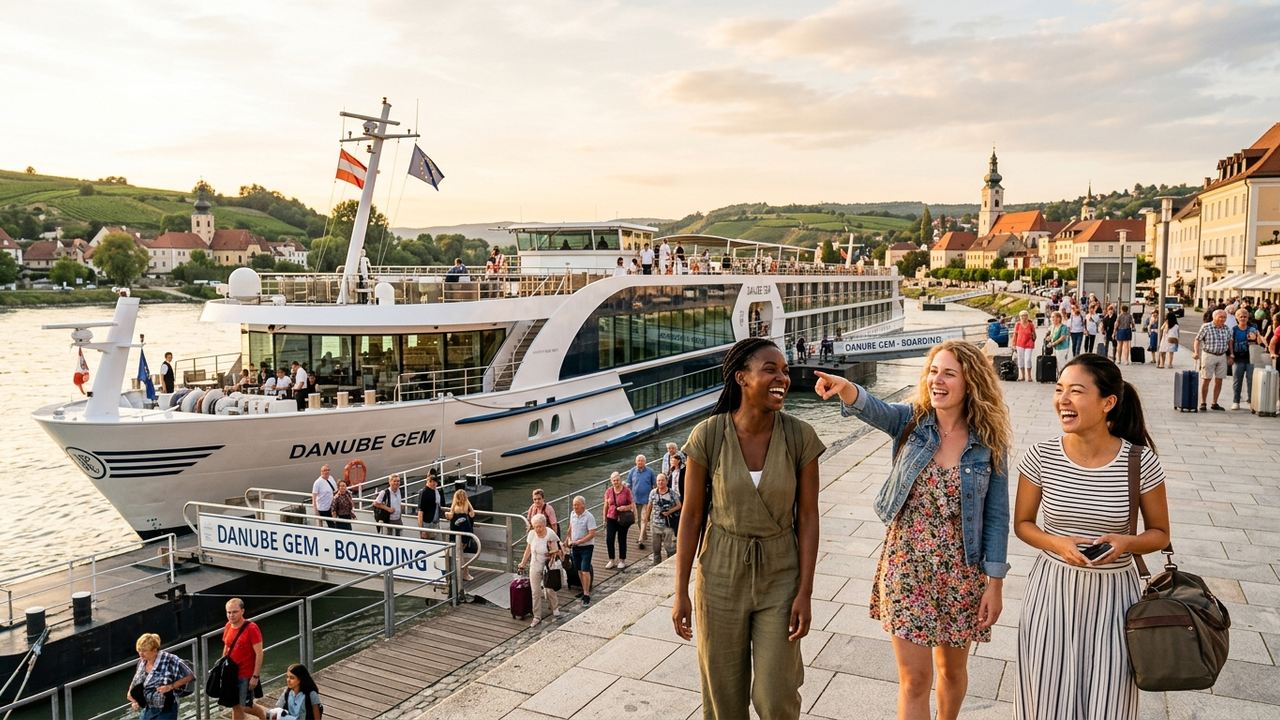
Image generated by AI
[Geneva, June 25, 2026] — The European river cruise industry is entering a period of unprecedented expansion as TUI River Cruises announces a record-breaking deployment of 37 sailings for the winter 2027 season. This massive scaling of operations is designed to capture the surging global demand for immersive, seasonal travel across Europe's primary inland waterways.
Shift Toward Year-Round Inland Waterway Tourism
The announcement marks a strategic pivot in how river cruising is positioned within the broader tourism ecosystem. Historically, river cruises have been viewed as a predominantly summer activity; however, the introduction of 37 winter sailings indicates a move toward a year-round operational model. Industry observers suggest that this expansion is a direct response to a growing consumer appetite for "slow travel"—a movement that prioritizes deep cultural engagement over rapid sightseeing.
By widening its operational footprint across multiple European river corridors, the operator is targeting a specific demographic of travelers who seek to avoid the congestion of peak summer tourism. This trend is particularly evident among travelers from the United Kingdom and mainland Europe, who are increasingly opting for the serene environments provided by winter river voyages.
Expanding Winter Capacity Across European River Corridors
The scale of the winter 2027 program represents the largest winter deployment in the operator's history. This increase in capacity is not merely a numerical growth but a calculated effort to align with the rhythms of seasonal European tourism. According to reports, the operational planning focuses on river systems where navigation remains viable during colder months and where urban centers maintain high levels of visitor interest.
The strategic deployment is intended to optimize occupancy rates during what was traditionally considered an off-peak window. By offering structured itineraries that connect major cities via scenic waterways, the operator provides a stable and predictable alternative to traditional coastal cruising or independent winter travel. This approach effectively transforms the winter season from a dormant period into a high-value revenue stream.
Rising Demand for Experiential and Festive River Travel
The decision to aggressively expand winter operations is closely tied to a global shift in traveler behavior. Modern tourists are increasingly prioritizing "experiential travel"—trips that offer authentic cultural immersion and unique seasonal activities—over standardized vacation packages.
A primary driver for the winter 2027 surge is the enduring popularity of European festive markets. River itineraries have been specifically engineered to provide seamless access to historic cities hosting Christmas markets, winter festivals, and heritage events. This alignment ensures that passengers can experience the peak of European winter culture without the logistical stress of navigating crowded city hotels and transportation hubs.
Furthermore, the rise of all-inclusive travel models has played a significant role. Industry sources indicate that the "single-journey" format—where dining, accommodation, and transport are bundled—is highly attractive to long-haul travelers. This curation removes the complexity of multi-destination travel, making the immersive experience of the European interior more accessible to a global audience.
Strategic Market Positioning Amidst Rising Competition
In a highly competitive leisure travel market, the move to launch 37 winter sailings serves as a powerful positioning tool. By dominating the winter window, TUI River Cruises is differentiating itself from competitors who remain focused on the summer peak.
This strategy also addresses the phenomenon of "climate-driven travel redistribution." As European summers become increasingly hot and overcrowded in major tourism hubs, the winter travel window is emerging as a viable alternative peak. By capturing this demand, the operator is insulating itself from the volatility of summer over-tourism while tapping into a fresh market segment.
Enhancing Cultural Connectivity via Inland Waterways
The 2027 winter program emphasizes the role of river cruises as "cultural corridors." Rather than treating destinations as isolated stops, the routes are designed to link UNESCO World Heritage sites and historic urban centers through a continuous flow of travel.
To enhance the passenger experience, the operator is introducing specialized onboard programming tailored to the winter season. This includes:
- Regional Gastronomy: Seasonal dining concepts that reflect the winter traditions of the regions being visited.
- Curated Excursions: Specialized tours designed for shorter daylight hours, focusing on indoor heritage sites and festive markets.
- Destination Storytelling: Onboard educational content that provides context on the history and sociology of the riverbanks.
This immersive framework ensures that the journey itself becomes part of the cultural experience, reinforcing the value proposition of river tourism over fragmented short-stay city breaks.
Long-Term Implications for the River Cruise Industry
The unveiling of this ambitious winter schedule is viewed by industry analysts as a signal of long-term structural growth. The expectation is that off-peak cruising will continue to gain traction as travelers seek more affordable and available premium experiences outside of the July-August window.
There is also a growing intersection between river cruising and sustainable tourism. Because river cruises often reduce the need for multiple short-haul flights between European cities, they are increasingly marketed as a lower-impact alternative for environmentally conscious travelers. This positioning is expected to drive further growth as carbon-conscious travel becomes a primary deciding factor for the modern tourist.
The shift toward a 365-day operational cycle suggests that the river cruise sector is no longer a seasonal niche but a pillar of the European tourism economy, capable of sustaining high-volume operations regardless of the calendar month.
Related Travel Guides
Disclaimer
This article is for informational and educational purposes only. It does not constitute legal, financial, or professional advice. While we strive to provide accurate and up-to-date information, travel policies, regulations, and conditions change rapidly. Always verify information with official sources before making travel decisions. Nomad Lawyer makes no representations about the accuracy, reliability, completeness, or suitability of the information provided. Readers should consult qualified professionals for advice specific to their circumstances. The views expressed in this article are those of the author and do not necessarily reflect the views of Nomad Lawyer.
Preeti Gunjan
Contributor & Community Manager
A passionate traveller and community builder. Preeti helps grow the Nomad Lawyer community, fostering engagement and bringing the reader experience to life.
Learn more about our team →