
Air Canada, Lufthansa, Delta, United, American, and Air France Slash Summer Flights as Jet Fuel Hits a 10-Year High — Millions of Travellers From the U.S., Canada, UK, EU, India, and Mexico Warned to Expect Surging Fares, Cancelled Routes, and Major Disruptions This Season
Surging jet fuel costs and geopolitical tensions trigger sweeping flight cancellations across major airlines, disrupting summer 2026 travel with higher fares and reduced routes.

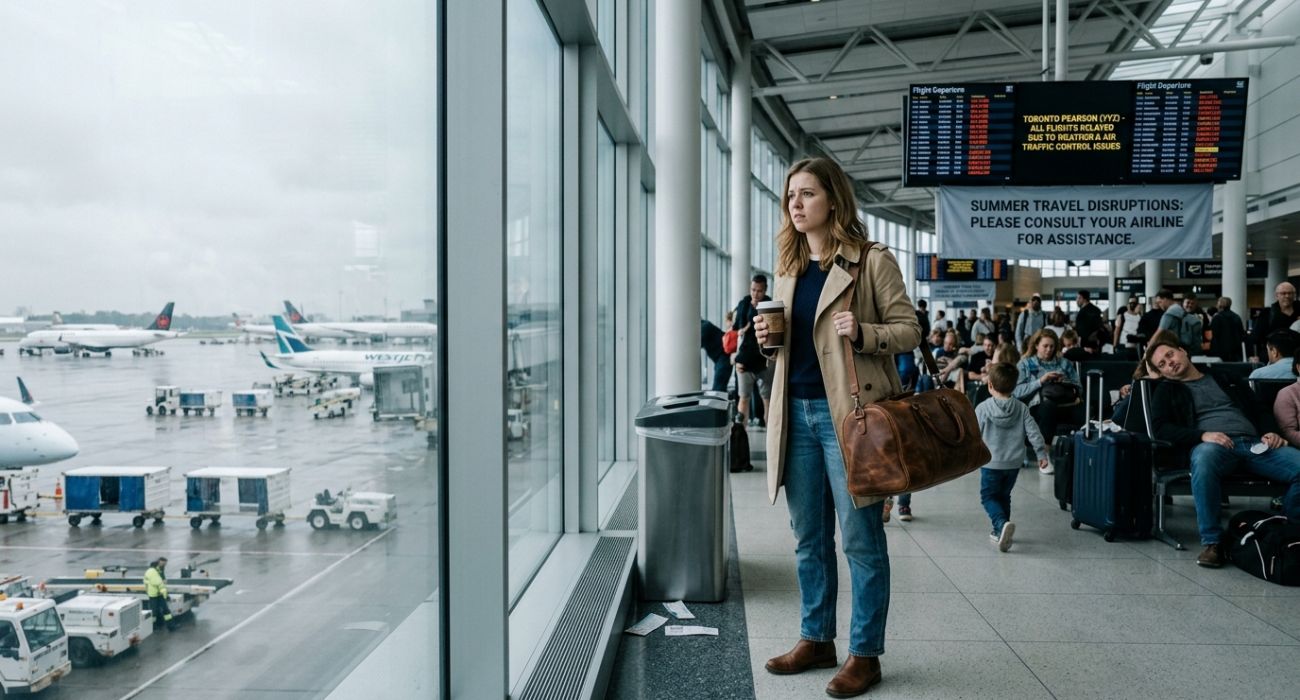
Image generated by AI
The global aviation industry is facing one of its most turbulent periods in recent memory as jet fuel costs surge to decade-high levels, forcing Air Canada, Lufthansa, Delta, United, American Airlines, and Air France to implement sweeping flight cuts heading into summer 2026. Driven by relentless geopolitical tensions disrupting global oil supply chains, the crisis is rippling through international travel networks and landing hardest on passengers from the U.S., Canada, the UK, the EU, India, and Mexico. Fewer routes, sharply higher fares, and widespread schedule disruptions are now the defining reality of summer travel this year.
This isn't a localised setback — it's a systemic shock to the aviation industry that is forcing carriers across North America and Europe to make painful operational decisions. For travellers who have been counting down to summer holidays, the combination of limited seat availability and inflated ticket prices is turning trip planning into a high-stakes challenge.
The Root Cause: Fuel Prices at a Ten-Year Peak
The central driver behind this wave of flight cuts is a dramatic and sustained spike in jet fuel prices, now sitting at their highest levels in over a decade. Geopolitical instability — most notably the conflict in the Middle East that escalated in late February 2026 — has throttled key oil shipping lanes and thrown global supply chains into disarray. The resulting fuel price surge has made previously viable routes financially untenable for airlines operating on tight margins.
In response, carriers have had no choice but to activate cost-cutting playbooks that include route suspensions, reduced flight frequency, and fare increases. What began as a fuel supply shock has cascaded into a full-blown disruption for international travellers, with the peak summer season now directly in the crosshairs.
Airlines and Regions Taking the Hardest Hit
Several of the world's largest carriers are bearing the brunt of this fuel crisis, each implementing significant cuts to their scheduled services:
- Air Canada: Has suspended multiple transborder and international routes, including flights to U.S. cities such as Raleigh, Charleston, and Sacramento. Domestic routes like Fort McMurray to Vancouver have also been temporarily halted.
- Lufthansa: The German flag carrier has scaled back services to both U.S. and European destinations, cutting flights to the UK and Canada.
- Delta and United: Both U.S. carriers have rolled out temporary flight suspensions, with the sharpest cuts hitting low-demand routes and long-haul international corridors.
- American Airlines: Actively reducing international service to several cities while monitoring fuel markets closely for further adjustment triggers.
- Air France: Has pulled back on European and international routes with weak demand, including several long-haul connections.
The impact is being felt across major source markets worldwide:
- United States: Travellers from California, New York, and Texas are seeing popular routes to Canada, Europe, and Asia disappear from schedules.
- Canada: Domestic and transborder suspensions by Air Canada are shrinking Canadians' options for reaching the U.S. and Europe.
- UK and EU: European travellers, particularly those bound for Canada, are facing route cancellations and fare premiums.
- India and Mexico: Both high-growth travel markets are confronting reduced international connectivity, putting summer itineraries at serious risk.
What Passengers Should Brace For
The practical consequences for travellers this summer are significant and wide-ranging. Here's what to expect as the situation continues to unfold:
- Higher ticket prices: Reduced capacity inevitably pushes remaining fares upward. Passengers will need to budget considerably more than in previous years, particularly for transatlantic and transpacific routes.
- Longer rebooking wait times: With fewer flights available across the board, competition for seats on alternate routes will be fierce, stretching rebooking queues and wait times.
- Shrinking route availability: Key corridors between the U.S., Canada, and Europe are facing the deepest cuts, forcing travellers to consider indirect routings or alternative transport modes.
- Last-minute cancellations: Low-demand routes remain at continued risk of cancellation as airlines reassess viability on a rolling basis throughout the season.
How the Industry Is Responding
Airlines are not sitting idle — each carrier is deploying a range of strategies to manage the financial pressure while trying to minimise passenger disruption:
- Axing low-yield routes: Carriers including Air Canada, Lufthansa, and Delta have prioritised suspending seasonal and low-demand services to trim operational costs, including cuts to cities like Sacramento and Raleigh.
- Raising fares: Ticket price increases — most pronounced on international routes — are being implemented across the board to partially offset the fuel cost burden.
- Reducing flight frequency: Rather than eliminating routes entirely in all cases, some airlines are trimming how often they operate certain services to better match reduced demand.
- Introducing fuel surcharges: Several carriers have begun adding explicit fuel surcharges to ticket prices, which will appear as line items on international bookings.
- Proactive customer outreach: Airlines are reaching out to affected passengers with rebooking options and, where applicable, refund pathways to manage the disruption as smoothly as possible.
Practical Steps Every Traveller Should Take Now
If your summer travel plans involve any of the affected airlines or routes, acting quickly and strategically is essential. Here's how to stay ahead of the disruption:
- Monitor your flight status daily: Check your airline's official website or app frequently. Schedule changes and cancellations are happening at short notice, and early awareness gives you more options.
- Rebook without delay: If your flight is cancelled or rescheduled, don't wait. Some airlines offer automatic rebooking, but securing your preferred alternative early is always the safer move.
- Explore alternate routings: If your preferred direct flight is gone, search for connecting options through alternative hub cities — you may still reach your destination with minimal added travel time.
- Invest in travel insurance: Given the elevated level of uncertainty this summer, comprehensive travel insurance is no longer optional — it's a critical financial safeguard against cancellations and rebooking costs.
- Use airline mobile apps: Real-time push notifications for gate changes, delays, and cancellations via airline apps can make the difference between a smooth trip and a missed connection.
- Watch fuel price news: This situation is dynamic. Staying informed about oil market developments and geopolitical updates will help you anticipate further schedule changes before they affect your booking.
Route Suspension Overview
Here is a consolidated breakdown of the key route suspensions currently in effect across the major affected carriers:
| Airline | Affected Routes | Reason for Suspension | Resumption Date |
|---|---|---|---|
| Air Canada | Vancouver to Raleigh, Fort McMurray to Vancouver | High fuel costs and low demand | Summer 2027 |
| Lufthansa | Frankfurt to New York, Munich to London | Increased operating costs due to fuel price hikes | Summer 2027 |
| Delta | Atlanta to Toronto, New York to Montreal | Capacity adjustment due to rising fuel costs | Ongoing |
| United | Chicago to Sacramento, Houston to Paris | Fuel price volatility and economic conditions | Summer 2027 |
| American Airlines | Dallas to Charleston, Phoenix to Guadalajara | Fuel surcharges and reduced demand | Ongoing |
FAQ: Your Key Questions Answered
1. Why are airlines cutting so many flights in 2026? The primary cause is a decade-high surge in jet fuel prices, driven largely by geopolitical instability in the Middle East that has disrupted global oil supply chains and pushed operating costs beyond sustainable levels for many routes.
2. How will these cancellations affect my travel plans? Expect fewer seat options, higher prices, and potentially longer journeys via connecting routes. Check your airline's website immediately for rebooking and refund options if your flight has been affected.
3. What are my options if my flight gets cancelled? Contact your airline as soon as possible for rebooking on an alternative service. Refunds may also be available depending on your fare type. Travel insurance can provide an additional layer of financial protection.
4. Is every major airline caught up in this disruption? Yes — Air Canada, Lufthansa, Delta, United, American Airlines, and Air France are all navigating the same fuel cost pressures, leading to route suspensions and schedule reductions across the board.
5. Will airfares keep rising through summer 2026? All current indicators point to fares remaining elevated throughout the summer season. Booking as early as possible and remaining flexible on travel dates are the best strategies for managing costs in this environment.
The message for anyone travelling this summer is clear: plan early, stay flexible, and keep a close eye on your bookings. The fuel cost crisis shows no signs of easing before peak season, and the travellers who adapt fastest will navigate it best.
Related Travel Guides
Disclaimer
This article is for informational and educational purposes only. It does not constitute legal, financial, or professional advice. While we strive to provide accurate and up-to-date information, travel policies, regulations, and conditions change rapidly. Always verify information with official sources before making travel decisions. Nomad Lawyer makes no representations about the accuracy, reliability, completeness, or suitability of the information provided. Readers should consult qualified professionals for advice specific to their circumstances. The views expressed in this article are those of the author and do not necessarily reflect the views of Nomad Lawyer.
Kunal K Choudhary
Co-Founder & Contributor
A passionate traveller and tech enthusiast. Kunal contributes to the vision and growth of Nomad Lawyer, bringing fresh perspectives and driving the community forward.
Learn more about our team →