
Germany, US, UK, France Align Against Iran's Selective Strait of Hormuz Restrictions Amid July 2026 Ceasefire Talks
Iran keeps the Strait of Hormuz open to most nations but restricts US, Israeli, and Western-allied vessels despite ceasefire negotiations. Oil flows recover to 10M barrels daily, but maritime uncertainty persists through July 9.

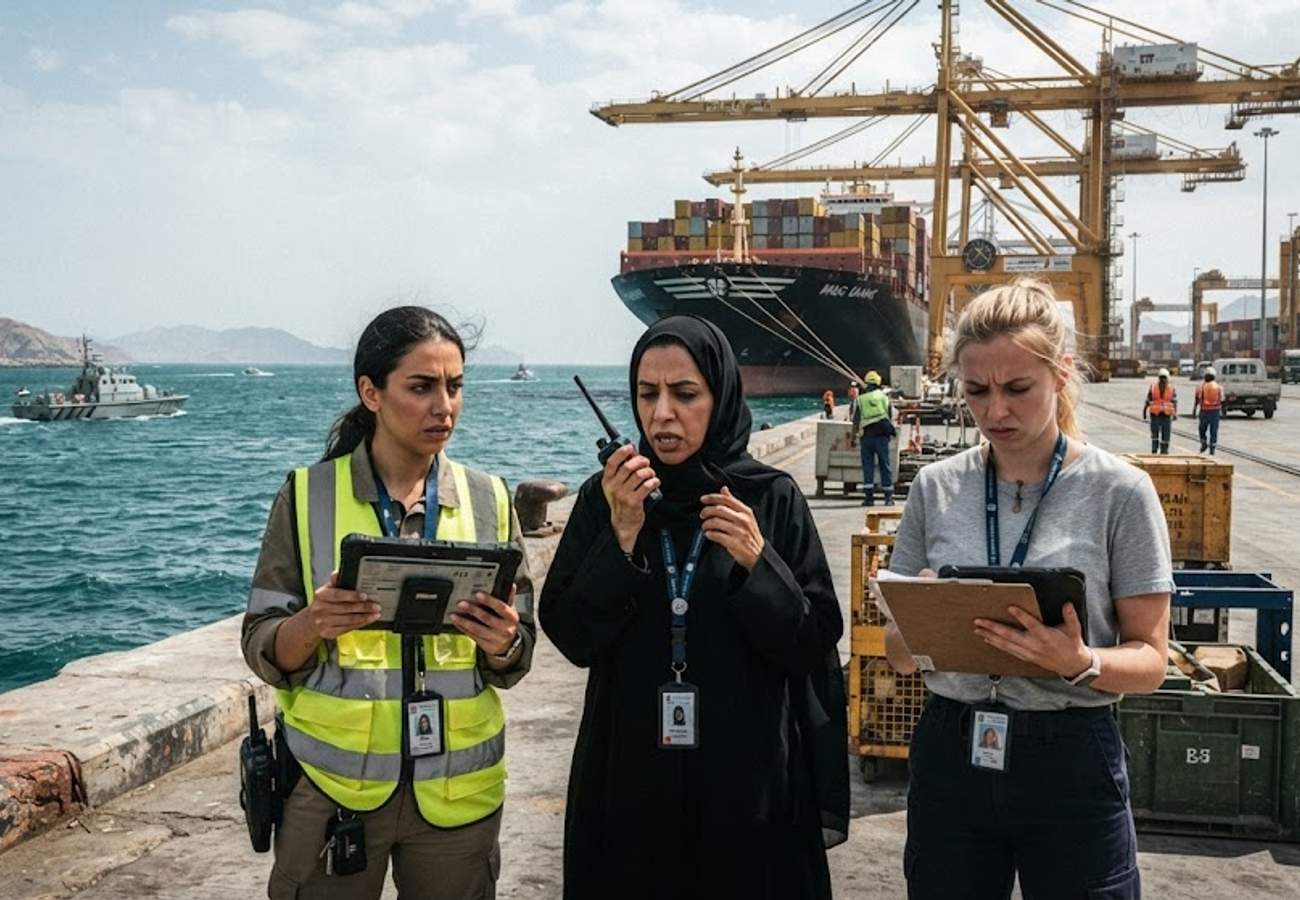
Image generated by AI
A Fragile Opening: The Strait of Hormuz Reopens With Conditions Attached
The Strait of Hormuz technically remains open for commercial shipping, but the reality on the water tells a far different story. Despite recent ceasefire negotiations and indirect US-Iran talks in Doha mediated by Qatar and Pakistan, Tehran has imposed a tiered system of maritime access that effectively creates a divided waterway. While crude oil shipments have recovered to over 10 million barrels per day, the passage remains classified as a warlike operations area until at least July 9, 2026, forcing mariners to accept double pay and elevated security protocols.
The central tension: Iran continues to demand future shipping tolls once the current 60-day toll-free arrangement expires, a proposal that has deadlocked negotiations with US diplomats. Meanwhile, Tehran insists that all vessels navigate only through Tehran-approved shipping corridors, with warnings that any deviation could trigger immediate enforcement action. An international container ship recently ran aground after attempting an alternative route, a stark reminder of how tightly Iran controls this critical waterway.
Reddit: "The Strait is open but essentially under Iranian supervision. No one's forcing ships through, but if you go, you follow their rules or face consequences." — r/travel
The Blockade Isn't Universal—It's Strategic
What sets this situation apart from a full blockade is Iran's calculated selectivity. The nation has granted unrestricted passage to several friendly nations while creating explicit barriers for US-flagged vessels, Israeli-linked ships, and Western allies. This creates a complex maritime patchwork where nationality, ownership, and political alignment determine access levels.
For travel and trade professionals, this matters enormously. Shipping companies now must conduct geopolitical risk assessments before deploying vessels. Insurance premiums have skyrocketed for certain flag states. And supply chains that depended on straightforward Strait passage now require contingency routing through longer, costlier alternatives.
United States: Maximum Restriction Despite Ceasefire Progress
American-flagged vessels and US-owned tankers face the harshest restrictions in the Strait. Iran's rationale is direct: it blames Washington for the naval blockade and regional confrontation. US-linked shipping, energy trading, and logistics firms operate under heightened uncertainty despite ceasefire discussions.
The practical impact is severe. American maritime operators face:
- Forced rerouting around the Arabian Peninsula
- War-risk insurance premiums that can triple standard rates
- Extended delivery schedules of 2-3 weeks additional transit time
- Actual seizure risks for certain vessel types
Even with oil flows recovered to pre-conflict levels, US energy companies cannot access the Strait on equal terms. This creates a hidden tax on American trade that doesn't appear in official statistics but drains billions annually from US logistics networks.
Israel: Total Exclusion From the Waterway
Israeli-flagged, Israeli-owned, and Israeli-financed vessels are classified by Iran as "enemy ships." This isn't negotiable under the current ceasefire framework. Tehran explicitly links Israeli shipping to the broader regional military conflict, meaning that even neutral cargo carried on Israeli vessels faces potential interdiction.
For Israeli companies, the response has been to hide commercial exposure through third-party routing and flag transfers. Freight costs increase dramatically. Cargo movement slows. And the security risks for maritime networks connected to Israeli commerce remain acute.
United Kingdom, Germany, France: Coalition Members Under Pressure
The UK, Germany, and France face restrictions because Iran views them as aligned with Western maritime coalition operations. This isn't identical to US or Israeli restrictions, but it's measurable and costly.
British vessels experience stricter inspections and delayed clearance. German manufacturers dependent on Gulf supply chains face longer lead times and higher insurance exposure. French energy importers encounter additional scrutiny on strategic cargo. Each Western ally operates under a constraint that rivals and neutral nations do not.
The impact stretches across multiple sectors: automotive parts, industrial machinery, luxury goods, chemical exports, and energy supplies all move slower and more expensively through Western-allied vessels.
The Toll Demand: A Permanent Shift in Maritime Economics
What makes this situation potentially transformative is Iran's demand for future shipping tolls. If negotiations succeed after the 60-day window expires, the Strait of Hormuz could become the first major international waterway to impose formal transit charges controlled by a single nation. This would represent a fundamental shift in global maritime law and economics.
For context, only a handful of waterways globally charge tolls: the Suez Canal (operated internationally), the Panama Canal (operated by Panama), and a few regional straits. An Iranian toll on Hormuz would give Tehran direct leverage over 20% of the world's oil supply and reshape energy trading entirely.
US negotiators have explicitly opposed the toll proposal. But with Iran holding geographic advantage and Western nations dependent on the passage, leverage dynamics favor Tehran in longer-term talks.
What This Means for Travelers and Businesses
If you're planning travel or shipping goods through the Persian Gulf this summer, here's what matters:
- Commercial air travel between Gulf hubs remains stable; Iran has not restricted civilian aviation.
- Cargo shipments face delays and cost increases if routed through Strait vessels; consider air freight for time-sensitive goods.
- Travel insurance should explicitly cover delay coverage for flights connecting through Gulf airports.
- Business operations in Western-allied nations should diversify shipping routes and flag registries.
The ceasefire has prevented military escalation, but it has not eliminated the geopolitical divisions that control maritime access. Expect this situation to evolve as the 60-day toll-free period approaches its end in early September 2026.
When Will This Resolve?
Indirect negotiations continue, but no timeline exists for permanent resolution. July 9 marks the end of the warlike operations classification, which may signal a minor de-escalation. But the fundamental disagreement over tolls and access restrictions remains unresolved. Travel and trade professionals should prepare for extended uncertainty through at least Q3 2026.
For the latest updates on maritime restrictions and their impact on international travel, monitor official IMO notices and US State Department travel advisories.
The Strait of Hormuz remains open—but on Tehran's terms.
Related Travel Guides
Disclaimer
This article is for informational and educational purposes only. It does not constitute legal, financial, or professional advice. While we strive to provide accurate and up-to-date information, travel policies, regulations, and conditions change rapidly. Always verify information with official sources before making travel decisions. Nomad Lawyer makes no representations about the accuracy, reliability, completeness, or suitability of the information provided. Readers should consult qualified professionals for advice specific to their circumstances. The views expressed in this article are those of the author and do not necessarily reflect the views of Nomad Lawyer.
Raushan Kumar
Founder & Lead Developer
Full-stack developer with 11+ years of experience and a passionate traveller. Raushan built Nomad Lawyer from the ground up with a vision to create the best travel and law experience on the web.
Learn more about our team →