
Travel Warning Germany Issues Strong Alert for US-Bound Citizens
Germany issues unprecedented strong travel warning for citizens traveling to United States in March 2026, signaling major shift in transatlantic safety perceptions.

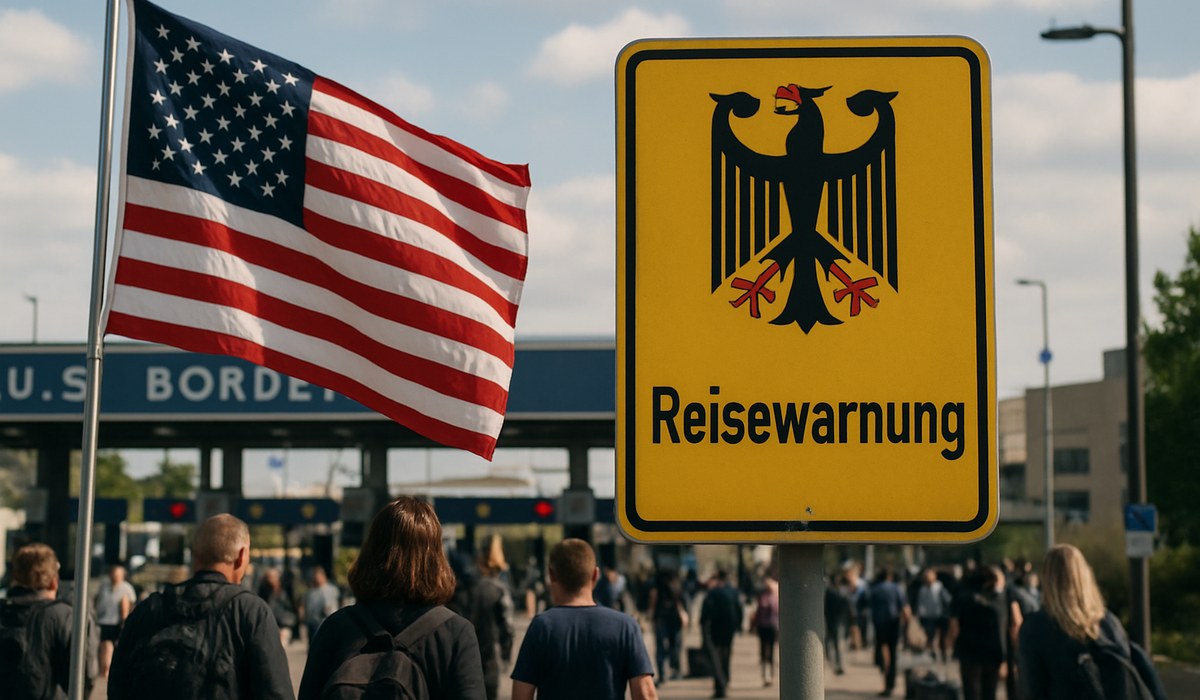
Image generated by AI
Quick Summary • Germany has issued its strongest travel warning yet for citizens planning trips to the United States, marking a historic shift in transatlantic travel advisories • The alert covers safety concerns that German officials consider significant enough to warrant heightened caution for travelers across multiple US destinations • German passport holders should review their travel plans and take additional precautions when visiting American cities • This advisory reflects broader changes in how European nations assess US travel security, potentially affecting reciprocal travel confidence
In a rare reversal of travel advisory norms, Germany has issued its strongest warning yet for citizens planning trips to the United States—a move that reflects escalating concerns about safety conditions American travelers typically associate with other destinations. The German Federal Foreign Office elevated its US travel advisory to unprecedented levels this March, signaling that traditional assumptions about transatlantic security may require reassessment.
For decades, travel warnings typically flowed in the opposite direction. The official US State Department travel advisories traditionally cautioned Americans about risks in other nations, while European destinations remained firmly in lower-risk categories. This latest development from Berlin marks a notable diplomatic shift, as one of America's closest European allies publicly questions the safety environment awaiting its citizens on US soil.
What Germany's Travel Warning Actually Says
The travel warning Germany issued specifically addresses heightened risks that German nationals may encounter while traveling across United States territory. German Foreign Ministry officials have elevated their caution level, advising citizens to exercise increased vigilance during their American visits. The advisory applies broadly to travelers heading to major metropolitan areas, tourist destinations, and transit hubs throughout the country.
Unlike routine travel advisories that address localized concerns or temporary events, this strong warning carries significant diplomatic weight. Germany's Federal Foreign Office rarely issues such elevated alerts for nations with which it maintains robust diplomatic and economic partnerships. The timing—late March 2026—suggests German officials have identified specific conditions warranting immediate public notification.
The advisory instructs German citizens to register their travel plans with consular services, maintain heightened awareness of their surroundings, avoid potential flashpoint areas, and prepare alternative arrangements if conditions deteriorate. German officials emphasized that while the warning doesn't constitute a blanket prohibition on US travel, it reflects genuine concerns about traveler welfare.
According to diplomatic protocols, such warnings typically emerge after careful intelligence assessment and consultation with security agencies. Germany's decision to publicize these concerns rather than address them through quiet diplomatic channels underscores the seriousness with which Berlin views current conditions.
Why This Warning Matters for Transatlantic Travel
This advisory carries implications far beyond individual travel decisions. Germany represents one of the United States' largest sources of European visitors, with hundreds of thousands of German nationals crossing the Atlantic annually for business, tourism, and family visits. A strong official warning from Berlin could significantly impact transatlantic travel volumes, affecting airlines, hospitality sectors, and bilateral economic relationships.
The psychological impact may prove equally significant. When a major Western democracy publicly questions the safety of visiting another established democracy, it challenges fundamental assumptions about shared security standards among allied nations. This development follows a broader pattern of Western countries reassessing US travel protocols, similar to how Japan's new JESTA electronic travel authorization system reflects heightened global concern about cross-border movement and security documentation.
European travel insurance providers have already begun adjusting their US coverage policies in response to changing risk assessments. Several major German insurers now classify certain American destinations in higher-premium categories, reflecting actuarial calculations about potential claims. These market responses suggest Germany's official position aligns with private sector risk analysis.
The warning also arrives amid broader global travel disruptions. From Kuwait International Airport's recent security closure to evolving entry requirements worldwide, international travelers face an increasingly complex security landscape. Germany's advisory acknowledges this reality while specifically addressing US-related concerns.
Travel industry analysts note that European nations increasingly issue independent safety assessments rather than defaulting to American security evaluations. This shift reflects growing European confidence in their own intelligence capabilities and willingness to publicly disagree with Washington's risk characterizations.
How US-Bound German Travelers Should Respond
German citizens with upcoming United States travel should immediately review current conditions and adjust plans accordingly. The Federal Foreign Office recommends checking IATA Travel Centre's visa and entry requirements to verify that documentation remains current amid evolving protocols. Travelers should also confirm their health insurance provides adequate US coverage, as medical costs in America can reach levels unprecedented in European contexts.
Registration with German consular services provides critical support infrastructure should emergencies arise. The ELEFAND crisis management system allows German officials to locate and assist citizens during security incidents, natural disasters, or other emergencies. Given the elevated warning level, consular registration transitions from optional precaution to essential preparation.
German travelers should prepare detailed itineraries shared with family members or colleagues, including accommodation addresses, local contact numbers, and scheduled movement between cities. Maintaining copies of passports, insurance documents, and emergency contacts in both physical and digital formats ensures access even if primary documents are lost or stolen.
Financial preparation matters significantly when visiting the United States. German travelers should notify banks about international transactions to prevent fraud-related card freezes, carry multiple payment methods, and maintain emergency cash reserves. Credit card coverage and travel insurance should explicitly include US medical care, as healthcare costs can quickly overwhelm standard European policy limits.
Situational awareness becomes paramount under elevated advisory conditions. German visitors should research specific neighborhoods, avoid areas with documented safety concerns, remain alert in crowded public spaces, and trust instincts about uncomfortable situations. Mobile devices should contain emergency contact numbers for German consular services, local police, and medical facilities.
What This Means for Americans Traveling to Europe
Germany's advisory creates potential reciprocal implications for Americans planning European travel. While Germany hasn't altered visa or entry requirements for US passport holders, the heightened warning signals shifted diplomatic dynamics that could affect how German authorities view American visitors. Trust flows bidirectionally in international travel relationships—when one nation questions another's safety, it potentially affects mutual confidence.
American travelers may encounter increased questioning at German border controls as officials verify travel purposes and assess whether US citizens face comparable risks at home. This doesn't constitute discrimination but rather reflects legitimate security concerns that German authorities must address systematically. European destinations like Estonia's growing appeal among solo female travelers demonstrate how safety perceptions actively shape destination preferences.
The broader implications extend to diplomatic and economic relationships. Elevated travel warnings can strain bilateral ties, affecting everything from business negotiations to cultural exchanges. American tourism industry stakeholders worry that reciprocal European concerns could dampen transatlantic visitor numbers, while security professionals debate whether public advisories help or hinder genuine risk mitigation.
For Americans abroad, Germany's warning serves as a reminder that international perceptions of United States safety have evolved. Travelers should prepare for conversations about conditions at home, avoid becoming defensive about legitimate security questions, and recognize that concerns expressed by allies often reflect genuine care rather than political posturing.
US passport holders can monitor evolving European perspectives through real-time travel restriction updates and official State Department notifications. Staying informed about how destination countries view American security conditions helps travelers prepare appropriate responses and adjust expectations accordingly.
Frequently Asked Questions About the Germany-US Travel Advisory
Has Germany banned its citizens from traveling to the United States? No, Germany has not implemented a travel ban. The strong warning advises heightened caution and increased preparation but doesn't prohibit travel. German citizens retain the legal right to visit the United States, though officials strongly recommend evaluating whether trips are essential and taking additional safety precautions.
Will this warning affect visa processing for Germans visiting America? Current visa and entry requirements remain unchanged. German citizens continue to use the existing Visa Waiver Program for tourism and business visits under 90 days. However, travelers should verify their ESTA authorization remains valid and allow extra time for any potential processing delays resulting from heightened security protocols.
How long will Germany's elevated travel warning remain in effect? The Federal Foreign Office regularly reviews travel advisories based on evolving conditions. No specific end date has been announced, suggesting German officials anticipate concerns will persist beyond the immediate term. Travelers should check current advisory status before finalizing plans, as conditions and official guidance may change.
Should Germans cancel existing trips to the United States? Germany's advisory doesn't mandate cancellations but recommends careful risk assessment. Travelers should evaluate their specific circumstances, destinations, and ability to implement recommended safety measures. Those proceeding with travel should register with consular services, maintain comprehensive insurance, and prepare contingency plans.
How does this compare to warnings other European countries have issued? Germany's advisory represents one of the strongest positions taken by a major Western European nation regarding US travel safety. While some European countries maintain similar concerns, Germany's public, elevated warning carries particular diplomatic significance given the traditionally close Berlin-Washington relationship. Other European nations are monitoring Germany's position when evaluating their own advisory frameworks.
Related Articles:
Disclaimer
This article is for informational and educational purposes only. It does not constitute legal, financial, or professional advice. While we strive to provide accurate and up-to-date information, travel policies, regulations, and conditions change rapidly. Always verify information with official sources before making travel decisions. Nomad Lawyer makes no representations about the accuracy, reliability, completeness, or suitability of the information provided. Readers should consult qualified professionals for advice specific to their circumstances. The views expressed in this article are those of the author and do not necessarily reflect the views of Nomad Lawyer.
Kunal K Choudhary
Co-Founder & Contributor
A passionate traveller and tech enthusiast. Kunal contributes to the vision and growth of Nomad Lawyer, bringing fresh perspectives and driving the community forward.
Learn more about our team →