
Germany Travel Chaos: Lufthansa Strikes Ground 100,000 Passengers in April 2026
Lufthansa strikes on April 10, 12, and 13-14 ground tens of thousands of passengers across Germany's major airports. Spring travel season disrupted as 80-90% of Frankfurt and Munich flights cancelled.

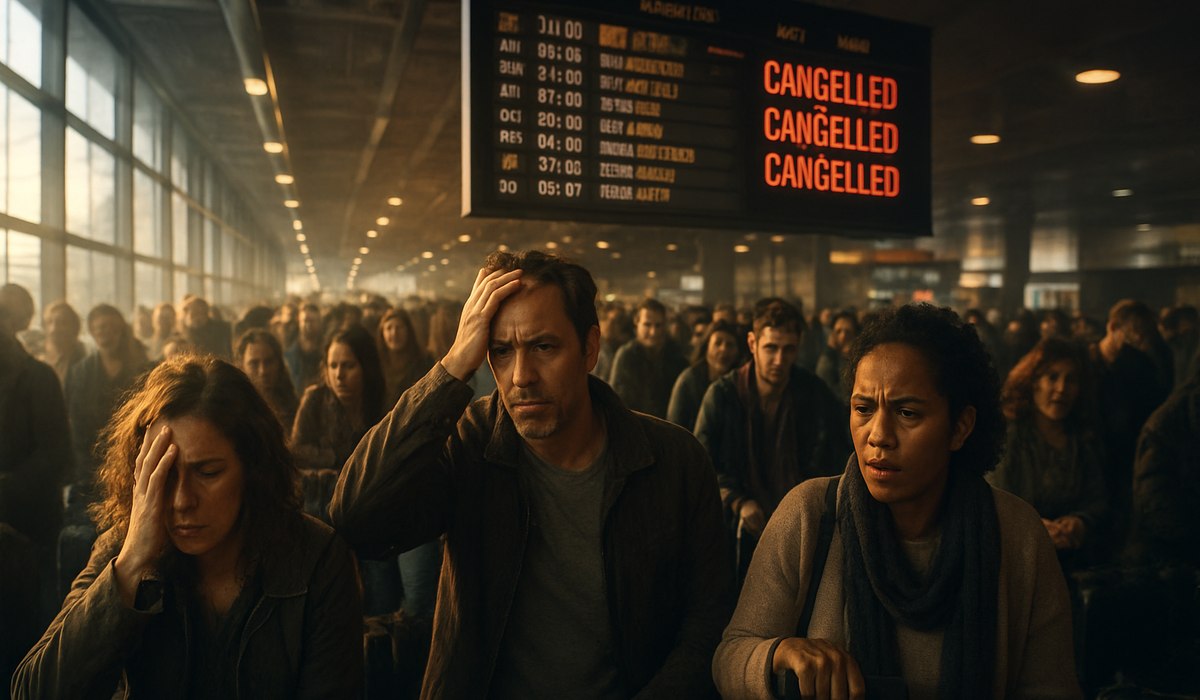
Image generated by AI
Lufthansa Strikes Trigger Historic Spring Travel Disruption
Germany's aviation network faces unprecedented chaos as Lufthansa pilots and cabin crew launch successive strikes across April, grounding up to 100,000 passengers during peak Easter holiday travel. Three major walkouts on April 10, 12, and April 13-14, 2026 have cancelled between 80-90% of flights at Frankfurt and Munich—Germany's largest international hubs—sending shockwaves through the spring tourism season and stranding travelers continent-wide.
The cascading strikes represent the most severe Germany travel chaos in recent years, affecting not only Lufthansa proper but also affiliated carriers including Lufthansa Cargo, CityLine, and Eurowings. Airports from Berlin to Hamburg report record-breaking cancellations, missed connections, and desperate passengers seeking alternative routing through rival airlines, rail networks, and secondary European gateways.
Successive Walkouts Paralyze Key German Hubs
The disruption began on April 10 when cabin crew walked off the job across five major airports: Frankfurt, Munich, Berlin, Stuttgart, and Leipzig/Halle. Official operational data from aviation tracking platforms documented approximately 90,000 to 100,000 passengers affected by this single day of action, predominantly holiday travelers attempting to return home after the Easter school break.
A subsequent 24-hour pilots' strike on April 13-14 proved even more crippling. Lufthansa's own scheduling systems confirmed cancellations affecting 80-90% of departures from Frankfurt and Munich alone, with knock-on effects rippling through Berlin, Düsseldorf, Hamburg, and smaller regional airports. The April 12 warning day—ahead of the pilots' action—already showed severe strain, with nearly 180 flights scrubbed and over 400 delayed across the German network.
This domino effect reflects a critical reality of modern aviation: cancelled flights leave aircraft out of position, crew fatigued, and recovery capacity exhausted. When strikes follow these cascading delays, the compound effect multiplies passenger disruption exponentially across both German hubs and connecting European cities.
Scale of Disruption: 50,000 to 100,000 Passengers Affected
The sheer volume of affected travelers underscores the centrality of Lufthansa to German aviation infrastructure. Frankfurt and Munich together handle over 150 million passengers annually, with Lufthansa Group carriers commanding roughly 50% of capacity at both airports.
Breaking down the impact across the strike period:
- April 10 cabin crew strike: 90,000-100,000 passengers disrupted
- April 12 operational strain: 180+ cancellations, 400+ delays
- April 13-14 pilots' strike: 50,000+ passengers stranded at Frankfurt and Munich alone
- Total affected: Cumulative impact exceeds 150,000 passenger journeys across three weeks
Beyond raw passenger numbers, the disruption cascades through connecting traffic using Frankfurt and Munich as major European transfer hubs. Travelers heading to Middle Eastern, African, and Asian destinations face multiplied delays. Tourism boards report last-minute cancellations, compressed stays, and shortened itineraries as spring holiday plans collapse.
| Metric | April 10 | April 12 | April 13-14 |
|---|---|---|---|
| Strike Type | Cabin Crew | Operational Strain | Pilots' Action |
| Airports Affected | 5 major hubs | 6+ airports | Frankfurt, Munich primary |
| Passengers Impacted | 90,000-100,000 | Cascading delays | 50,000+ stranded |
| Cancellation Rate | ~70-80% | ~60% of scheduled | 80-90% at major hubs |
| Affected Carriers | Lufthansa, Eurowings | All Lufthansa Group | Lufthansa, Cargo, CityLine, Eurowings |
| Duration | 24 hours | 1 day (warning) | 48 hours |
| Primary Route Impact | European + long-haul | Domestic + EU routes | All routes |
Passengers Stranded, Rebooked and Rerouted
Eyewitness accounts from terminals paint a sobering picture of travel chaos. Crowded gates, exhausted service desk staff, multi-hour queues, and passengers sleeping on airport floors at Frankfurt and Munich have become routine images since the strikes began.
Lufthansa Group's rebooking protocols activated automatically for tickets issued on or before April 11. However, capacity constraints mean many passengers face rebooking onto flights three to five days later—or not at all on Lufthansa metal. Instead, the airline has rerouted travelers via alliance partners and codeshare airlines, diverting passengers through Vienna, Zurich, Brussels, and other European hubs.
Rival carriers—Turkish Airlines, Condor, and regional low-cost operators—report sold-out seats on popular European and long-haul routes as stranded Lufthansa customers scramble for alternatives. Rail operators operating Germany's extensive InterCity and high-speed rail network have absorbed thousands of diverted travelers, with some booking seats weeks out at premium pricing.
Tour operators and corporate travel managers report unprecedented coordination challenges. Group bookings cannot be easily rerouted, river cruise embarkations are missed, and business conferences see delayed arrivals. Hotels in Frankfurt, Munich, and gateway cities report cancellations as travelers postpone trips indefinitely or shorten stays to salvage what they can.
Rebooking and Refund Policy for Affected Travelers
Under European Union Regulation 261/2004, passengers facing cancellations and significant delays enjoy strong legal protections—but the distinction between extraordinary circumstances and airline-controllable events matters enormously.
Critical distinction: EU law classifies industrial action by an airline's own staff—pilots, cabin crew, ground handlers—as within the carrier's control. This means Lufthansa passengers affected by the April strikes qualify not only for rebooking or refunds on cancelled tickets, but also for:
- Meals and accommodation if overnight delay results
- Compensation ranging from €250-€600 depending on flight distance
- Refunds on cancelled segments within 14 days
- Rerouting on competitor airlines at no additional cost
However, Lufthansa's official communication confirms a limited application of compensation. The airline interprets certain labor actions as "extraordinary circumstances" under specific German labor law precedents, potentially limiting compensation eligibility. Legal experts and consumer advocacy organizations expect substantial disputes over compensation determinations.
Processing delays compound the challenge. Multiple strikes across February, March, and April generate unprecedented claim volumes. Passengers booking through online intermediaries (Kayak, Skyscanner) or package tour operators face additional friction, as they must coordinate refund claims through multiple layers rather than directly with Lufthansa.
What This Means for Travelers
The April 2026 Germany travel chaos carries implications far beyond the strike weeks. Spring travel patterns have shifted, consumer confidence in German aviation has eroded, and the European tourism sector faces ripple effects.
-
Expect compensation delays: File claims immediately via Lufthansa's website or EU-recognized compensation platforms like AirHelp or Claimomatics. Processing may take 3-6 months given claim volume.
-
Diversify routing: Book future Germany travel via non-Lufthansa carriers (Swiss, Austrian, KLM) or use rail alternatives from neighboring countries. This insulates you from Lufthansa labor disputes.
-
Purchase travel insurance: Enhanced coverage for airline strikes—often excluded from basic policies—protects future bookings. Verify strike coverage explicitly before purchase.
-
**
Disclaimer
This article is for informational and educational purposes only. It does not constitute legal, financial, or professional advice. While we strive to provide accurate and up-to-date information, travel policies, regulations, and conditions change rapidly. Always verify information with official sources before making travel decisions. Nomad Lawyer makes no representations about the accuracy, reliability, completeness, or suitability of the information provided. Readers should consult qualified professionals for advice specific to their circumstances. The views expressed in this article are those of the author and do not necessarily reflect the views of Nomad Lawyer.
Kunal K Choudhary
Co-Founder & Contributor
A passionate traveller and tech enthusiast. Kunal contributes to the vision and growth of Nomad Lawyer, bringing fresh perspectives and driving the community forward.
Learn more about our team →