
Germany Tourism Report Q1 2026: Netherlands Overtakes UK and US as Top Source Market
Germany's tourism industry hit a record high in Q1 2026, with the Netherlands emerging as the leading source of international visitors, driving a massive surge in overnight stays and economic impact.

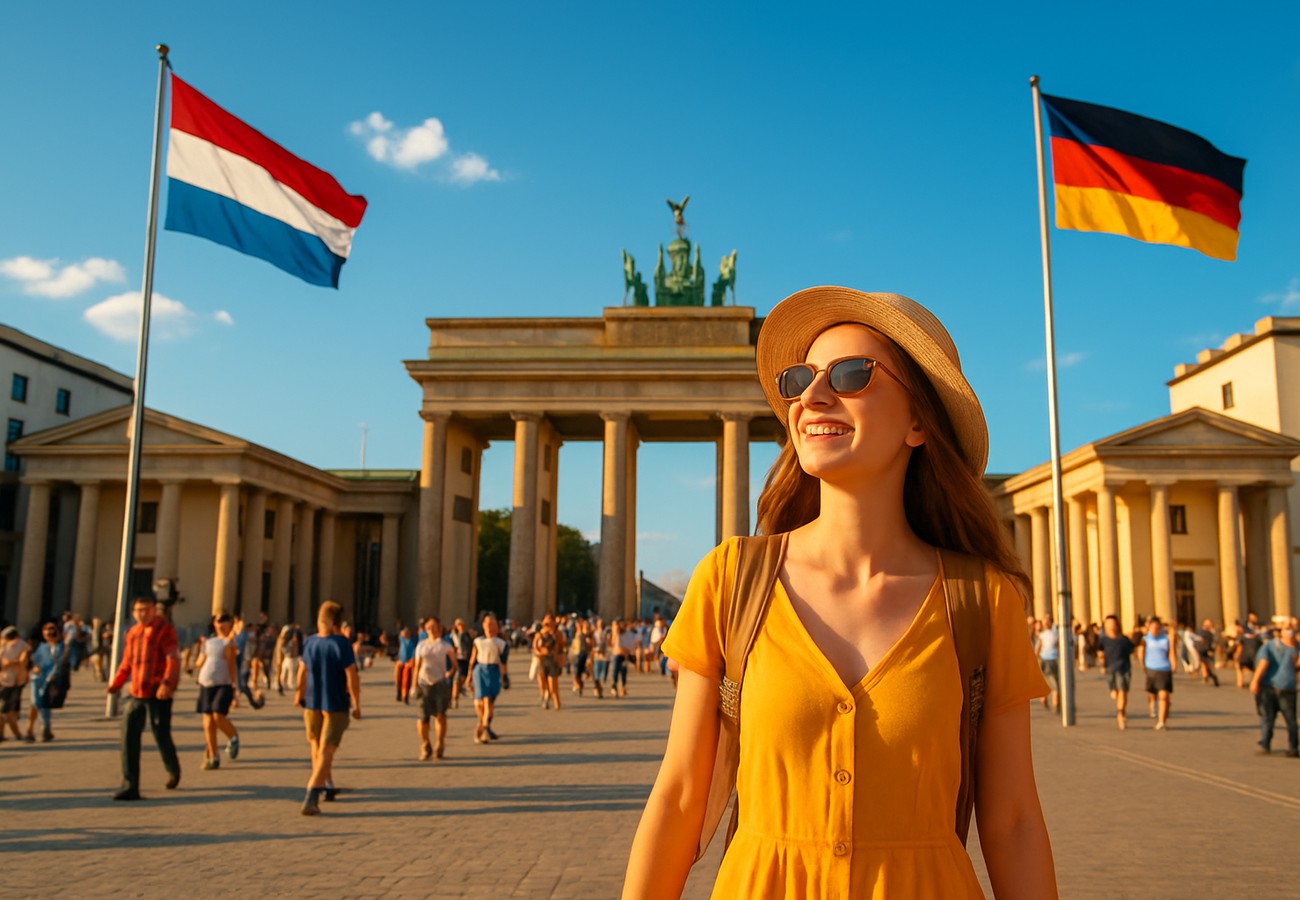
Image generated by AI
Quick Summary
- Market Leadership: The Netherlands has officially overtaken the UK and USA to become Germany’s top source market for international visitors in Q1 2026.
- Record Metrics: The first quarter saw an unprecedented surge in both visitor arrivals and overnight stays, significantly outpacing Q1 2025 performance.
- Regional Drivers: Proximity, enhanced rail connectivity, and targeted campaigns for the Bavarian Alps and Berlin have fueled the Dutch influx.
- Economic Impact: The boom has directly benefited the German hospitality, retail, and transportation sectors, with record-high Q1 revenues reported.
Germany’s tourism industry has witnessed a transformative start to 2026, achieving record-breaking growth in the first quarter. The most notable shift has been the emergence of the Netherlands as the primary engine of inbound tourism, surpassing long-standing leaders like the United Kingdom and the United States. This surge is attributed to a combination of enhanced cross-border accessibility—particularly via high-speed rail and road networks—and highly successful cultural promotion campaigns. While urban centers like Berlin and Munich remain primary draws, there is a visible increase in stays within regional hotspots like the Black Forest and the Rhine Valley. This influx of high-spending European and North American travelers is providing a substantial economic boost to local economies, signaling a robust and diversified recovery for the German travel sector.
Germany Inbound Tourism Performance Q1 2026: Top Source Markets and Drivers
The following table details the performance of Germany’s primary source markets during the first quarter.
| Source Market | Market Position | Key Drivers | Preferred Destinations |
|---|---|---|---|
| Netherlands | Rank #1 | Proximity, Rail Connectivity, & Campaigns | Bavarian Alps, Berlin, Munich |
| United Kingdom | Rank #2 | Business Travel & Cultural Festivals | Frankfurt, Berlin, Christmas Markets |
| Switzerland | Rank #3 | Shared Language & Alpine Heritage | Lake Constance, Black Forest |
| United States | Top Long-Haul | Direct Flights & Cultural Affinity | Berlin Wall, Neuschwanstein Castle |
| Spain | Rising Market | Sporting Events (Bundesliga) | Urban Hubs & Historical Sites |
| Italy | Growth Surge | Cultural Festivals & Scenic Regions | Cologne (Carnival), Rhine Valley |
| Austria | Stable Market | Proximity & Cultural Exchange | Munich, Berlin Art Districts |
The Netherlands Surge: Leading Inbound Arrivals via Rail and Road
In Q1 2026, Dutch travelers became the cornerstone of Germany's international visitor base:
- Accessibility: The density of high-speed train links and affordable road travel between the two nations has incentivized frequent short-term and long-term stays.
- Cultural Affinity: Dutch visitors are increasingly participating in German cultural festivals and business events, with a strong preference for southern alpine regions and the capital.
- Promotion Impact: Targeted digital campaigns by the German National Tourist Board (GNTB) have successfully converted Dutch interest into actual bookings for the 2026 spring season.
United Kingdom and Switzerland: Stable Growth in Urban and Alpine Tourism
These markets continue to provide high-volume, consistent arrivals:
- United Kingdom: Despite falling to the second spot, British travelers remain critical for Germany's urban tourism. London-to-Berlin flight paths remain among the busiest in Europe for Q1 2026.
- Switzerland: Neighborly proximity and shared linguistic heritage continue to drive massive "weekend getaway" traffic to the Black Forest and Lake Constance.
- Business Travel: Both markets have seen a resurgence in MICE (Meetings, Incentives, Conferences, and Exhibitions) travel, particularly in Frankfurt and Hamburg.
North America: The United States Remains the Premier Long-Haul Market
The USA continues to lead non-European arrivals, sustained by robust aviation links:
- Direct Connectivity: New daily direct flights from Los Angeles, San Francisco, and New York to Munich and Frankfurt have simplified travel for North American tourists.
- Heritage Exploration: American tourists remain the primary demographic for Germany’s high-end heritage and museum sectors, focusing on historical landmarks and luxury shopping.
- High Spending: US visitors reported the highest average spend per stay among all long-haul markets in Q1 2026.
Southern Europe: Rising Interest from Spanish and Italian Cultural Tourists
Growth from Spain and Italy reflects a deeper interest in German art and sports:
- Spain: The popularity of the Bundesliga and international sporting tournaments has attracted a younger demographic of Spanish sports tourists.
- Italy: Italian visitors are flocking to Germany for specialized cultural festivals, including the Bachfest in Leipzig and the Carnival in Cologne.
- Seasonal Appeal: Both markets have shown increased interest in Germany’s natural landscapes during the transition from winter to spring.
Economic Ripple Effect: Hospitality, Retail, and Transport Sector Boom
The record-breaking Q1 arrival numbers have translated into tangible economic gains:
- Hospitality Revenue: German hotels and restaurants reported record occupancy rates for the January–March period, with a significant increase in RevPAR (Revenue Per Available Room).
- Retail Sector: High-spending international shoppers from the US and UK have provided a substantial boost to the luxury retail sector in cities like Munich and Hamburg.
- Transport Sector: Deutsche Bahn and major airlines like Lufthansa have seen a double-digit percentage increase in international bookings compared to the same period in 2025.
FAQ: Germany Tourism Report Q1 2026
Why did the Netherlands become the top source market for Germany? The surge is driven by excellent rail and road connectivity, cultural proximity, and successful German tourism campaigns specifically targeting Dutch travelers.
Which German cities are most popular in 2026? Berlin, Munich, Frankfurt, and Hamburg remain the top destinations, with significant growth also seen in regional areas like the Bavarian Alps and the Black Forest.
Is the United States still an important market for German tourism? Yes, the USA remains the leading long-haul (non-European) market, with strong direct air connectivity and high average tourist spending.
Related Travel Guides
Disclaimer
This article is for informational and educational purposes only. It does not constitute legal, financial, or professional advice. While we strive to provide accurate and up-to-date information, travel policies, regulations, and conditions change rapidly. Always verify information with official sources before making travel decisions. Nomad Lawyer makes no representations about the accuracy, reliability, completeness, or suitability of the information provided. Readers should consult qualified professionals for advice specific to their circumstances. The views expressed in this article are those of the author and do not necessarily reflect the views of Nomad Lawyer.
Kunal K Choudhary
Co-Founder & Contributor
A passionate traveller and tech enthusiast. Kunal contributes to the vision and growth of Nomad Lawyer, bringing fresh perspectives and driving the community forward.
Learn more about our team →