
How Germany and Italy are Navigating European Travel Uncertainty as US-Iran Conflict Hits Six-Week Mark in 2026
Germany and Italy face mounting economic pressure as the US-Iran war enters its sixth week, driving up aviation fuel costs and threatening tourism connectivity across Europe.

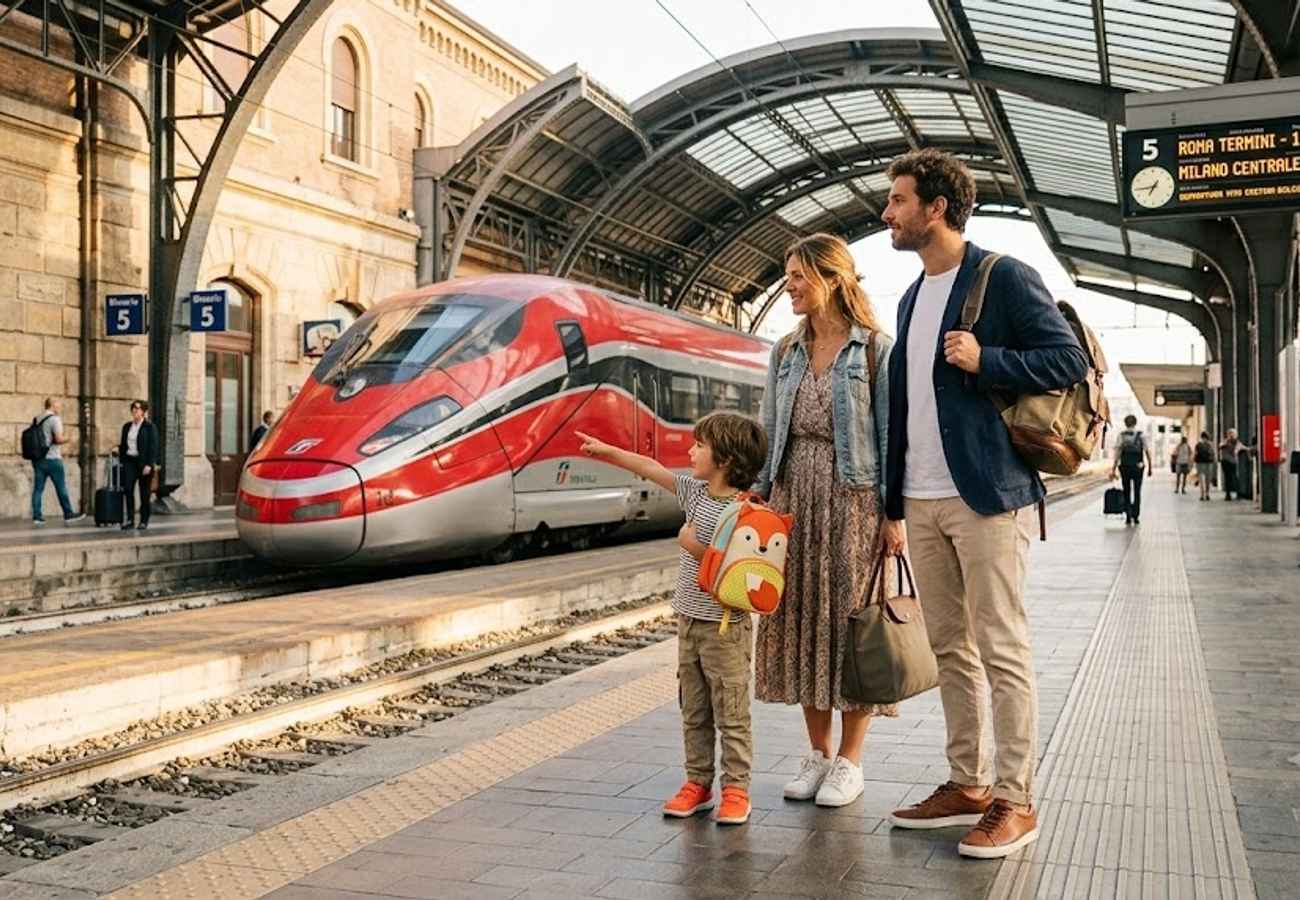
Image generated by AI
European travel hubs are bracing for a volatile season as the US-Iran conflict surpasses the six-week mark, triggering a surge in oil prices and destabilizing aviation fuel costs.
The Local Trend Revealed: Energy Volatility and Travel Friction
The geopolitical tension between the US and Iran has moved beyond a diplomatic crisis, evolving into a systemic economic challenge for European nations. As the conflict enters its seventh week, the primary concern for the continent is the security of energy flows from the UAE, Qatar, and Kuwait. These Gulf nations are critical to Europe’s energy stability, and any disruption in the Strait of Hormuz or surrounding shipping routes immediately translates into higher costs at the pump and in the cockpit.
Germany and Italy are currently the most exposed. For Germany, the pressure is industrial; the nation's massive manufacturing base—spanning automobiles and chemicals—is seeing a spike in logistics costs. For Italy, the vulnerability is more closely tied to its tourism-dependent economy. The trend is a shift toward "cost-conscious connectivity," where airlines are forced to either absorb fuel surcharges or pass them onto passengers, potentially dampening the demand for long-haul travel.
Cultural & Environmental Value: Shifting Toward Sustainable Mobility
This crisis is accelerating a regional push toward "slow travel" and diversified energy sources. The volatility of Middle Eastern oil is prompting European tourism boards and heritage associations to promote rail-based tourism and domestic exploration to reduce reliance on aviation fuel.
In Italy and Spain, there is a growing emphasis on supporting local economies by encouraging "staycations" and regional travel. By shifting focus from long-haul flights to high-speed rail networks, these countries are inadvertently supporting eco-tourism initiatives and reducing the carbon footprint of their tourism sectors. This shift not only mitigates the risk of fuel price spikes but also directs tourist spending toward smaller, rural communities that are often bypassed by international fly-in crowds.
Regional Impact Analysis
The following table outlines how specific European hubs are reacting to the energy and security risks associated with the six-week conflict mark.
| Country | Primary Vulnerability | Impact on Tourism & Trade |
|---|---|---|
| Germany | Industrial Energy Dependence | Rising flight costs for one of Europe's largest outbound markets. |
| Italy | High Reliance on Gulf Tourism | Potential drop in high-spending visitors from the UAE and Qatar. |
| Netherlands | LNG & Maritime Trade | Higher insurance costs for shipping and wholesale energy volatility. |
| Greece | Commercial Shipping Fleet | Increased maritime insurance and longer rerouted shipping lanes. |
| Spain | International Air Connectivity | Higher holiday package costs and reduced long-haul demand. |
| France | Global Aviation Hubs | Increased ticket prices and longer flight paths to avoid conflict zones. |
| UK | Domestic Fuel Inflation | Rising petrol prices and pressure on London's business travel. |
Visitor Insider Tips: Navigating Europe During Energy Volatility
For travelers currently planning trips to Europe in 2026, the fluctuating fuel market requires a strategic approach to bookings:
- Prioritize Rail Over Air: With jet fuel prices volatile, the Eurostar and regional high-speed networks (like Italy's Frecciarossa or Spain's AVE) offer more price stability than short-haul flights.
- Book "Flexible" Fares: Due to the potential for aircraft rerouting or schedule adjustments caused by airspace security, avoid non-refundable tickets.
- Off-Peak Windows: To avoid the "inflation surge" in hotel pricing that often follows energy spikes, target the "shoulder seasons" (late September to November) when demand is lower.
- Local Dining Strategy: In Italy and Greece, seek out Agriturismi (farm-stays). These establishments source food locally, making them less susceptible to the inflation caused by rising global transport and fuel costs.
- Cultural Etiquette: Be mindful that local residents in industrial hubs (especially in Germany) may be experiencing economic stress due to energy inflation; supporting small, independent vendors over global chains is highly encouraged.
Tourism Outlook
The long-term trajectory for European tourism depends entirely on the stabilization of Middle Eastern transport corridors. If the US-Iran conflict persists, we can expect a permanent restructuring of aviation routes and a more aggressive transition toward sustainable, non-fossil-fuel-dependent travel. While the immediate outlook is characterized by uncertainty and rising costs, the crisis may ultimately force a healthier, more sustainable model of tourism that prioritizes regional connectivity over volatile long-haul dependencies.
The resilience of the European travel sector now hinges on its ability to decouple tourism growth from the instability of global oil markets.
Related Travel Guides
Disclaimer
This article is for informational and educational purposes only. It does not constitute legal, financial, or professional advice. While we strive to provide accurate and up-to-date information, travel policies, regulations, and conditions change rapidly. Always verify information with official sources before making travel decisions. Nomad Lawyer makes no representations about the accuracy, reliability, completeness, or suitability of the information provided. Readers should consult qualified professionals for advice specific to their circumstances. The views expressed in this article are those of the author and do not necessarily reflect the views of Nomad Lawyer.
Raushan Kumar
Founder & Lead Developer
Full-stack developer with 11+ years of experience and a passionate traveller. Raushan built Nomad Lawyer from the ground up with a vision to create the best travel and law experience on the web.
Learn more about our team →