
Germany Reports Surge in AI-Driven Travel Fraud and Loyalty Program Cybercrime in 2026
Germany is facing a sophisticated wave of AI-powered travel fraud targeting booking systems and loyalty programs, as Europol warns of an industrial-scale shift in cybercrime.

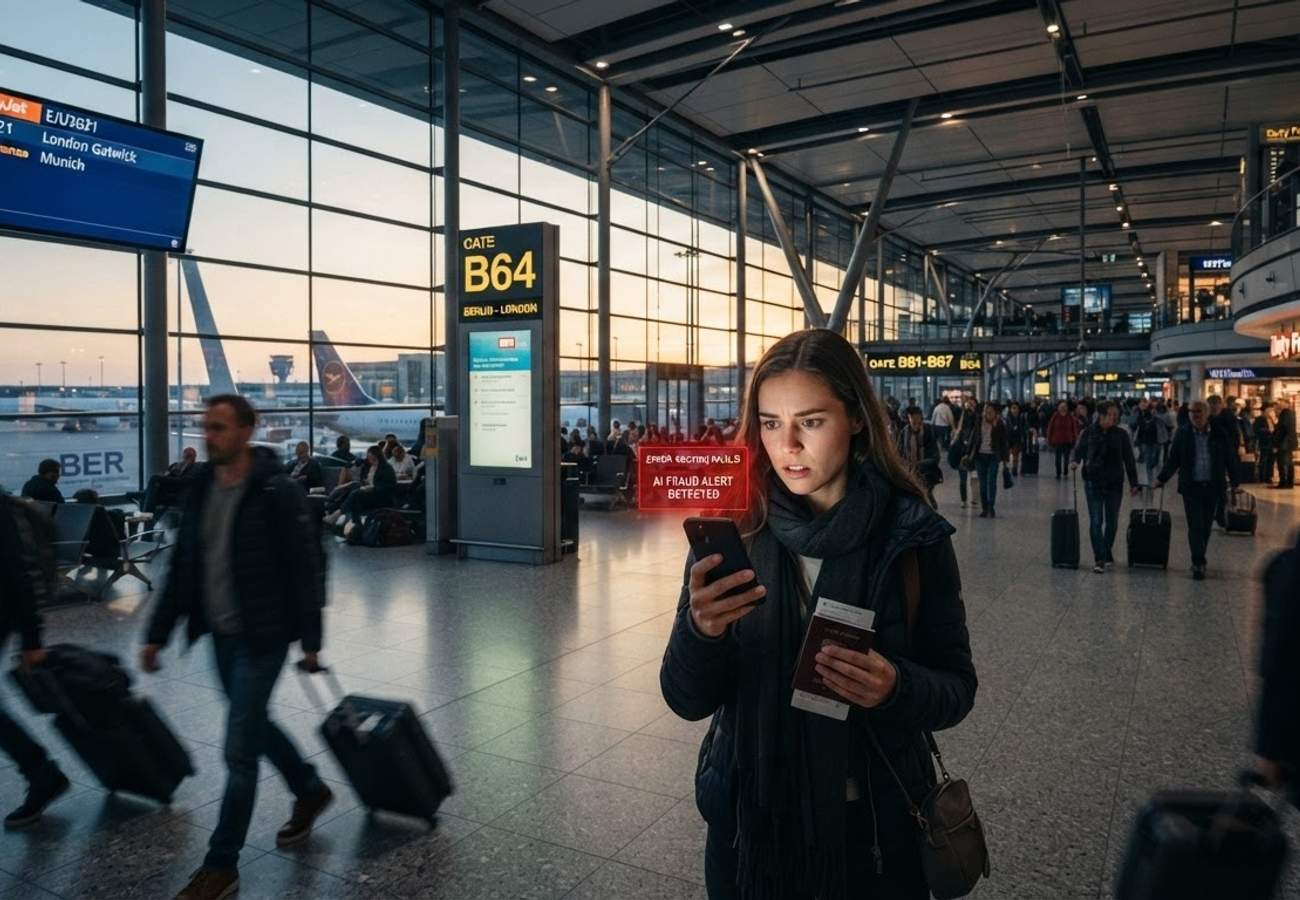
Image generated by AI
Germany is experiencing a critical surge in AI-driven travel fraud, with cybercriminals now utilizing artificial intelligence to manipulate booking systems and drain loyalty accounts at an industrial scale.
The Evolution of AI-Powered Travel Scams in Germany
The travel sector in Germany, centered around the high-volume hub of Berlin, has become a primary target for sophisticated cybercrime in 2026. According to the 2026 Internet Organized Crime Threat Assessment by Europol, fraud is no longer characterized by isolated incidents but has transitioned into a technology-driven industrial model.
Fraudsters are employing AI as a force multiplier, allowing them to generate thousands of personalized phishing attempts and realistic fake booking platforms in minutes. Unlike previous scams that relied on generic templates, today's AI-generated fraud simulates authentic customer support conversations and creates professional-looking interfaces that mirror legitimate travel brands.
The International Air Transport Association (IATA) has issued warnings regarding the proliferation of fraudulent websites and fake agencies. These entities often misuse industry credentials to appear authentic, targeting both individual consumers and industry participants.
Systemic Risks to the Travel Ecosystem
The scale of the risk is amplified by the hyper-digitization of the travel industry. Every online booking generates a wealth of sensitive data—including payment details, travel patterns, and identity records—which criminals exploit through weak points in large digital systems.
The financial impact extends beyond immediate theft, affecting the operational viability of travel agencies and eroding consumer trust.
Travel Industry Fraud Risk Matrix
| Risk Area | Impact on Industry | Example Threat |
|---|---|---|
| Payment Fraud | Revenue losses and chargebacks | Stolen credit card bookings |
| Identity Fraud | Security and compliance failures | Fake traveler profiles |
| Loyalty Fraud | Loss of customer lifetime value | Stolen reward points/miles |
| Reputation Damage | Lower consumer confidence | AI-generated fake travel sites |
| Operational Costs | Increased security expenditure | Extensive fraud investigations |
The Digital Currency Shift: Loyalty Program Abuse
A critical and often overlooked vulnerability is the targeting of loyalty programs. In 2026, airline miles and hotel points are viewed by criminal syndicates as a form of digital currency. Because these points have tangible financial value and can be sold or exchanged, they have become high-priority targets.
AI allows criminals to study specific customer behaviors—such as preferred destinations and typical booking periods—to create highly convincing account recovery requests. By mimicking the legitimate user's patterns, fraudsters can bypass traditional security questions to seize valuable loyalty balances.
Industry Defense Mechanisms and Countermeasures
To combat these threats, the travel industry is shifting from rule-based security to AI-driven defense systems capable of detecting anomalous behavior in real-time.
Current strategic focuses include:
- Digital Identity Verification: Implementation of advanced systems to confirm the authenticity of customers and partners, a priority highlighted by IATA.
- Real-Time Payment Monitoring: Utilizing AI to analyze transaction patterns and block suspicious payments before they are finalized.
- Cross-Border Cooperation: Increased intelligence sharing between national governments, Europol, and private travel entities to dismantle international fraud networks.
Traveler Logistics Guide: Navigating Digital Trust
From a ground-level perspective, the best way to navigate the current fraud environment is to adopt a "zero-trust" approach to digital bookings. A professional appearance no longer guarantees authenticity.
Verification Protocols for Travelers:
- Direct Booking: Whenever possible, book directly through the official airline or hotel website rather than third-party aggregators that may be spoofed.
- Payment Red Flags: Be wary of any agency requesting payment via unconventional methods (e.g., cryptocurrency, wire transfers to personal accounts, or unexpected payment links).
- Identity Protection: Enable multi-factor authentication (MFA) on all loyalty accounts and travel portals. This is the single most effective barrier against AI-driven account takeovers.
- Credential Audit: Periodically check your loyalty point balances and login history to identify unauthorized access early.
Infrastructure Impact Assessment
The surge in cybercrime is forcing a paradigm shift in the German and European travel markets. Security is evolving from a back-end operational requirement to a front-end competitive advantage. As digital trust becomes a primary driver for consumer choice, companies that can demonstrably secure the entire digital journey—from search engine to hotel check-in—will likely capture a larger market share.
The integration of secure digital identities will likely become a standard part of the travel experience, mirroring the shift toward biometric boarding and digital health passports seen in previous years.
Digital trust must now be verified, never assumed.
Related Travel Guides
Disclaimer
This article is for informational and educational purposes only. It does not constitute legal, financial, or professional advice. While we strive to provide accurate and up-to-date information, travel policies, regulations, and conditions change rapidly. Always verify information with official sources before making travel decisions. Nomad Lawyer makes no representations about the accuracy, reliability, completeness, or suitability of the information provided. Readers should consult qualified professionals for advice specific to their circumstances. The views expressed in this article are those of the author and do not necessarily reflect the views of Nomad Lawyer.
Preeti Gunjan
Contributor & Community Manager
A passionate traveller and community builder. Preeti helps grow the Nomad Lawyer community, fostering engagement and bringing the reader experience to life.
Learn more about our team →