
Gen Z Caribbean Travel Trends 2026: Jamaica, Bahamas and Barbados Pivot to Lifestyle Tourism
Gen Z travelers are shifting away from generic beach resorts toward lifestyle-driven Caribbean escapes, with 71% seeking unprecedented experiences in Jamaica, Curaçao, and beyond.

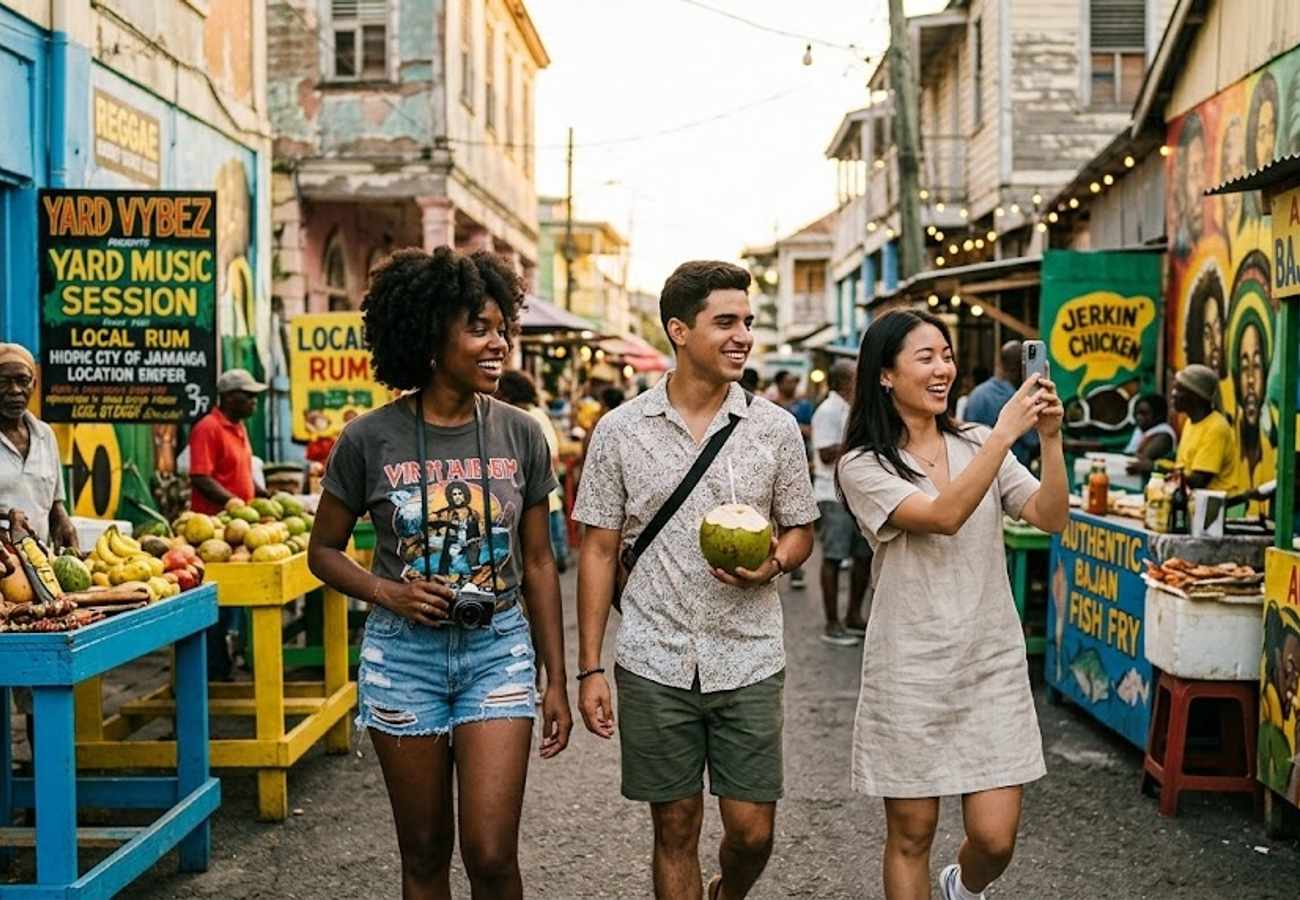
Image generated by AI
Caribbean tourism is undergoing a structural pivot as Gen Z travelers reject generic all-inclusive packages in favor of "vibe-matched" lifestyle escapes. New data indicates that cultural identity, culinary authenticity, and ecological immersion are now the primary drivers for arrivals under age 26.
The traditional Caribbean tourism model—centered on white sand and luxury resorts—is being superseded by a demand for experiential alignment. For the Gen Z cohort, the destination must mirror their personal interests, whether those are rooted in global music movements, architectural design, or sustainable adventure. This shift transforms the region from a uniform sun-and-sea product into a diverse portfolio of specialized lifestyle hubs.
The Data Driving the Shift
Recent research highlights a significant change in how younger demographics discover and select destinations. According to 2026 travel research from KAYAK, 71% of Gen Z travelers prioritize visiting destinations they have never experienced before, seeking distinctive markers over standardized luxury.
Furthermore, the 2026 Caribbean Travel Trends Report, published by Amadeus and the Caribbean Hotel and Tourism Association, reveals that travelers under the age of 26 now account for 22% of all Caribbean arrivals. This demographic is not searching for a "perfect beach," but rather a specific atmosphere that aligns with their digital and social identities.
Regional Specialization and Value Propositions
Different islands are now leveraging their unique cultural assets to capture specific segments of the youth market.
| Destination | Primary Gen Z Draw | Key Experience Drivers | Strategic Appeal |
|---|---|---|---|
| Jamaica | Music & Urban Culture | Reggae, Dancehall, Kingston nightlife | Cultural identity & heritage |
| The Bahamas | Versatile Exploration | Inter-island hopping, marine environments | Flexibility & aspirational luxury |
| Curaçao | Creative Arts | Willemstad architecture, design districts | Visual identity & photography |
| Barbados | Culinary Tourism | Bajan cuisine, fish markets, rum traditions | Gastronomic exploration |
| Dominica | Eco-Adventure | Waitukubuli National Trail, rainforests | Nature-first, uncrowded escapes |
Deep Dive: The Pillars of Lifestyle Tourism
Music and Urbanism in Jamaica Jamaica has successfully converted its global cultural export—specifically Reggae and Dancehall—into a tangible tourism product. For Gen Z, Kingston serves as a critical node where music history intersects with modern street culture. The strategy involves promoting the capital's creative communities alongside traditional coastal resorts, creating a layered itinerary that appeals to those who value entertainment and heritage.
The Culinary Pull of Barbados Food has transitioned from a secondary consideration to a primary travel trigger. American Express travel research indicates that 89% of Gen Z and Millennial travelers prioritize local snacks in their itineraries, with over 75% actively seeking food items that have gained traction online. Barbados is capitalizing on this by positioning Bajan cuisine—from neighborhood fish markets to rum distilleries—as a gateway to understanding local culture.
Eco-Centricity in Dominica Dominica is positioning itself as the antithesis of the resort experience. By emphasizing the Waitukubuli National Trail and its volcanic terrain, the island attracts the "nature-first" generation. Travel + Leisure has identified Dominica as a top 2026 destination for those seeking meaningful encounters with the wild over traditional hotel luxury.
Traveler Logistics Guide: Navigating the New Caribbean
From a ground-level perspective, the best way to navigate this shift is to move away from "hub-and-spoke" resort planning and toward "experience-clustering."
Booking Connections & Layovers If you are targeting multiple "vibe" destinations (e.g., combining the urban energy of Kingston with the nature of Dominica), avoid relying solely on major US hubs. Utilize regional carriers to reduce transit time and avoid the fatigue of returning to a mainland hub between islands.
Digital Transit & Entry Policies Ensure all digital entry forms are completed 72 hours prior to arrival. For those visiting multiple islands, keep digital copies of your vaccination records and passports in a secure cloud folder, as customs requirements can vary slightly between Dutch (Curaçao), British (Barbados), and independent Caribbean territories.
Optimal Itinerary Timing To maximize the "lifestyle" aspect, align your visit with the cultural calendar. Carnival traditions in Trinidad and Tobago or music festivals in Jamaica provide a concentrated burst of cultural activity that often makes local transport and accommodation more expensive but significantly more rewarding.
Infrastructure and Regional Impact
This transition toward lifestyle tourism forces a change in regional infrastructure. There is an increasing need for "creative zones"—walkable districts with galleries, local eateries, and boutique hostels—rather than isolated mega-resorts. By leaning into their differences, Caribbean nations are reducing their dependence on a single tourism model and building resilience through diversification.
The Caribbean is no longer a single destination, but a collection of distinct lifestyles waiting to be experienced.
Related Travel Guides
Disclaimer
This article is for informational and educational purposes only. It does not constitute legal, financial, or professional advice. While we strive to provide accurate and up-to-date information, travel policies, regulations, and conditions change rapidly. Always verify information with official sources before making travel decisions. Nomad Lawyer makes no representations about the accuracy, reliability, completeness, or suitability of the information provided. Readers should consult qualified professionals for advice specific to their circumstances. The views expressed in this article are those of the author and do not necessarily reflect the views of Nomad Lawyer.
Preeti Gunjan
Contributor & Community Manager
A passionate traveller and community builder. Preeti helps grow the Nomad Lawyer community, fostering engagement and bringing the reader experience to life.
Learn more about our team →