
Europe's Hidden Winter Markets 2026: Riga, Pilsen, and Tallinn Lead Underrated Festive Rail Destinations
Travelers are shifting toward underrated European winter markets in Riga, Pilsen, and Tallinn for 2026, utilizing rail networks to avoid overcrowded capitals while accessing authentic Baltic and Central European festive traditions.

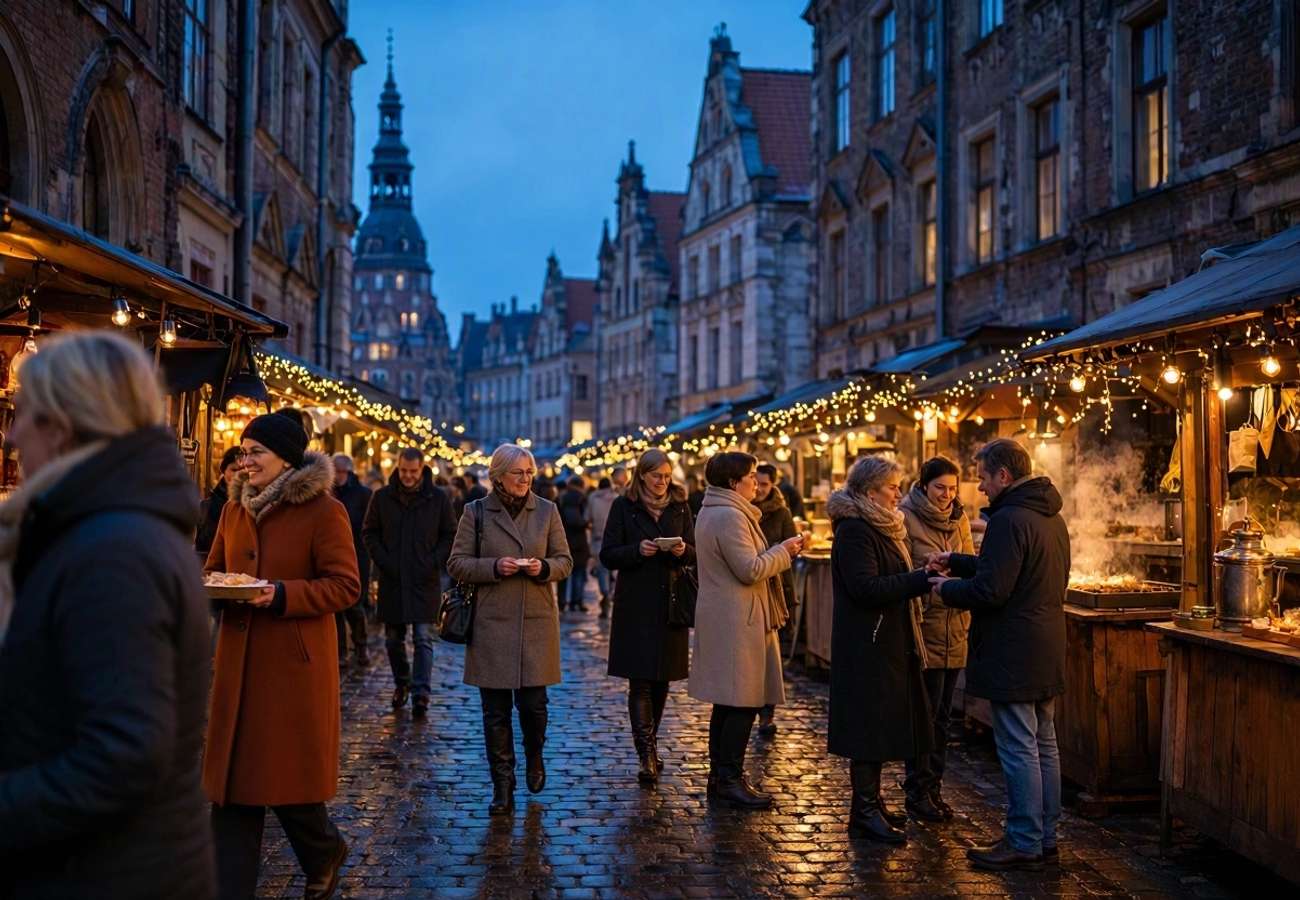
Image generated by AI
[Riga, October 14, 2026] — Global travelers are increasingly bypassing the overcrowded Christmas squares of Vienna and Prague in favor of underrated winter markets in the Baltic states and secondary Czech cities. New tourism data reveals a strategic shift toward "hidden" festive destinations, with Riga, Pilsen, and Tallinn emerging as primary hubs for those seeking authentic cultural experiences over mass tourism.
This trend is driven by a rise in multi-city rail itineraries that allow visitors to combine seasonal shopping with historic exploration. The shift is particularly evident in the Baltic region and Moravia, where local governments are reporting substantial visitor growth in accommodation sectors, signaling a broader redistribution of winter tourism across the continent.
The Drivers of Secondary City Tourism
The pivot toward underrated markets is rooted in a desire for authentic regional cuisine and less congested public spaces. Rather than treating markets as standalone attractions, 2026 travel patterns show a preference for using these festive hubs as gateways to explore municipal museums, medieval architecture, and neighborhood dining.
Official reporting from the Czech Statistical Office and Statistics Estonia indicates that while national recovery from pandemic-era lows is nearly complete, the growth is not concentrated solely in capital cities. The ability to link these destinations via rail has made the "hidden market" circuit a viable alternative to traditional festive tours.
Verified Tourism Volume and Market Reach
Because market "footfall" (day visitors) is often tracked differently than "overnight guests," the following data represents verified accommodation and hotel statistics. These figures provide a baseline for the scale of tourism in these secondary hubs.
Regional Tourism Performance Data (2021–2025)
| Destination | Latest Verified Figure | Reporting Geography | Measurement Metric |
|---|---|---|---|
| Riga, Latvia | 1.1 Million (2024) | City of Riga | Foreign hotel visitors |
| Pilsen, Czechia | 912,595 (2025) | Plzeň Region | Collective accommodation guests |
| Brno, Czechia | 870,000+ (2025) | City of Brno | Overnight visitors |
| Olomouc, Czechia | 816,500 (2025) | Olomouc Region | Collective accommodation guests |
| Tallinn, Estonia | 3.7 Million (2025) | Estonia (National) | Total accommodation tourists |
Five-Year Accommodation Trend Analysis
| Year | Riga (Foreign Hotel Guests) | Estonia (National Tourists) | Brno (Overnight Visitors) | Pilsen Region (Guests) | Olomouc Region (Guests) |
|---|---|---|---|---|---|
| 2021 | Not Verified | 2.1 Million | Not Verified | Not Verified | Not Verified |
| 2022 | Not Verified | 3.3 Million | Not Verified | Not Verified | Not Verified |
| 2023 | 980,000 (Hotel) | 3.4 Million | Not Verified | Not Verified | Not Verified |
| 2024 | 1.1 Million | 3.6 Million | 850,685 | Not Verified | Not Verified |
| 2025 | Not Verified | 3.7 Million | 870,000+ | 912,595 | 816,500 |
What This Means for Travelers
For the individual booking a trip for the 2026 winter season, the data suggests several practical implications:
- Accommodation Availability: While these cities are "underrated," the growth in the Plzeň and Olomouc regions suggests that hotel capacity may tighten during the peak December window. Early booking is advised.
- Logistical Efficiency: The rise of rail-centric travel means passengers should prioritize European rail passes or regional tickets over short-haul flights to move between these six highlighted destinations.
- Cost Distribution: Secondary cities generally offer lower price points for dining and handmade gifts compared to the "Big Three" (Vienna, Prague, Strasbourg), though the trend toward these cities may begin to normalize prices.
- Cultural Focus: Travelers should expect a heavier emphasis on regional specialties—such as grey peas with bacon in Riga—rather than the standardized tourist menus found in major capitals.
Destination Deep Dive: The 2026 Highlights
Riga, Latvia: The focal point remains the Old Town Christmas Market in Dome Square. Visitors are encouraged to balance market visits with trips to the House of the Blackheads. The local culinary scene is highlighted by smoked fish and traditional rye bread.
The Czech Circuit (Pilsen, Brno, Olomouc): These cities offer a Moravian alternative to Prague. Pilsen is particularly noted for its integration of beer culture with festive markets, while Brno provides a more urban, architectural approach to the winter season.
Tallinn, Estonia: As the primary gateway for Estonia's 3.7 million tourists, Tallinn offers a high-density festive experience. National data shows a 76% increase in tourists since 2021, though figures remain slightly below 2019 peaks.
FAQ: European Winter Markets 2026
Which cities are the best "hidden" alternatives to Prague or Vienna? Riga (Latvia), Tallinn (Estonia), and the Czech cities of Pilsen, Brno, and Olomouc are the top recommended alternatives for 2026.
How should I travel between these different winter markets? A multi-city rail itinerary is the most efficient method. These destinations are well-connected by regional trains, reducing the need for airport transfers.
What are the most authentic foods to try in the Baltic markets? In Riga, look for grey peas with bacon and traditional Latvian gingerbread. In Tallinn, focus on regional Estonian winter delicacies and handmade Baltic crafts.
Are these smaller markets less crowded than the major capitals? While they attract fewer total visitors than Vienna or Prague, the data shows significant growth (e.g., 3.7 million in Estonia). They are generally less congested but still experience peak holiday rushes.
The era of the "mega-market" is fading as travelers seek the quiet charm of Europe's secondary cities.
Related Travel Guides
Disclaimer
This article is for informational and educational purposes only. It does not constitute legal, financial, or professional advice. While we strive to provide accurate and up-to-date information, travel policies, regulations, and conditions change rapidly. Always verify information with official sources before making travel decisions. Nomad Lawyer makes no representations about the accuracy, reliability, completeness, or suitability of the information provided. Readers should consult qualified professionals for advice specific to their circumstances. The views expressed in this article are those of the author and do not necessarily reflect the views of Nomad Lawyer.
Raushan Kumar
Founder & Lead Developer
Full-stack developer with 11+ years of experience and a passionate traveller. Raushan built Nomad Lawyer from the ground up with a vision to create the best travel and law experience on the web.
Learn more about our team →