
Gen Z Shifts to 'Anti-Viral' Travel as St. George and Tacoma See 120%+ Search Spikes in 2026
Younger travelers are abandoning algorithmic recommendations for 'anti-viral' destinations, driving massive search growth for underrated US cities like St. George and Tacoma.

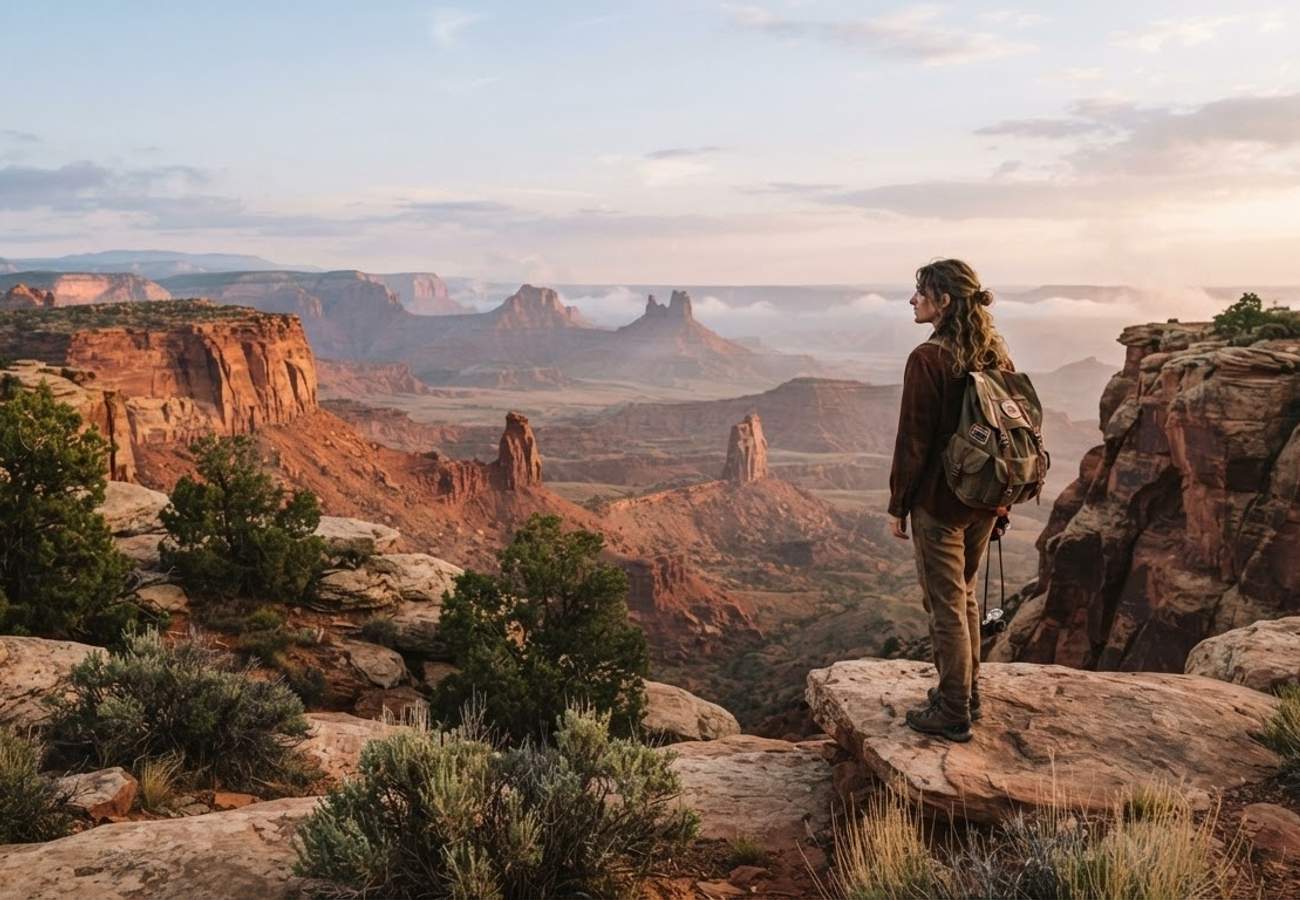
Image generated by AI
Accommodation searches for underrated US cities have surged by over 100% as Gen Z and Millennial travelers pivot toward "anti-viral" destinations to escape social media clichés.
A significant shift in American tourism is unfolding in 2026, as younger demographics move away from the hyper-curated locations that dominate Instagram and TikTok feeds. Rather than following the algorithm to overcrowded hotspots, travelers are increasingly targeting smaller urban centers, outdoor gateways, and regions that have yet to reach peak viral saturation.
Industry data reveals a growing appetite for authenticity over aesthetics. While social media continues to influence where people go, a counter-movement is emerging where the primary goal is to find locations that feel undiscovered. This "anti-viral" approach is manifesting in sharp spikes in search volume for destinations that offer genuine experiences without the crowds associated with "Instagram-famous" landmarks.
Domestic Tourism Surge and the Return to Nature
The broader trend toward domestic exploration is dominating the 2026 travel landscape. According to Expedia, 63% of United States travelers planned at least one domestic trip for the summer of 2026. This preference for home-soil exploration is mirrored in digital discourse, with social media conversations regarding domestic holidays doubling year-on-year.
Nature-centric travel is the primary catalyst for this shift. Search interest for US national parks, mountains, and lakes has climbed by 65% compared to the previous year. Additionally, while traditional beach destinations remain popular, searches for coastal spots in California and Florida rose by 50%, suggesting a desire for the outdoors that extends beyond the most famous resort strips.
Research from Priceline further supports this, indicating that Gen Z and Millennials are prioritizing nostalgia and personal growth over trend-following. A notable 63% of travelers expressed a newfound interest in the American Midwest, citing affordability, a relaxed pace of life, and perceived authenticity as the main draws.
St. George Utah Records Massive 125% Search Growth
St. George has emerged as the premier example of this trend. Expedia data indicates a staggering 125% year-on-year increase in accommodation searches for the summer of 2026, marking the highest growth rate among all destinations on the company's US summer tracking list.
The appeal of St. George lies in its role as a strategic gateway. While global tourists typically flock to Zion and Bryce Canyon, St. George provides a more understated base for exploring the dramatic red-rock landscapes of southern Utah. For the younger traveler, this offers a way to experience the region's iconic geology without feeling like they are following a pre-packaged tourist itinerary.
Tacoma Washington Outshines Seattle with 120% Increase
In the Pacific Northwest, Tacoma is experiencing a similar surge, with accommodation searches jumping 120% year-on-year. For decades, Seattle has been the primary international face of Washington State, leaving Tacoma in the periphery.
Current data suggests that this lack of global fame is now a competitive advantage. Tacoma offers a sophisticated urban experience featuring museums and waterfront districts, while serving as a more accessible jumping-off point for Mount Rainier and Olympic National Parks. Notably, Tacoma has also met the criteria for Expedia’s Smart Travel Health Check, combining safety and accessibility with its "off-the-beaten-path" appeal.
Diversification of Florida and California Coastlines
The shift toward less-hyped destinations is also affecting the most visited states in the union. In Florida, travelers are looking beyond the massive tourism hubs of Orlando and Miami. Bradenton has seen a 75% increase in accommodation searches for summer 2026.
As a gateway to the Gulf Coast and Anna Maria Island, Bradenton represents a pivot toward a more relaxed, local version of the Florida beach experience. This mirrors a wider 50% increase in general searches for Florida and California beaches, proving that while the type of vacation remains the same, the location is becoming more specific and less generic.
Similarly, in California, the town of Truckee has seen a 40% rise in accommodation searches. While Lake Tahoe is a household name, Truckee provides a smaller, more intimate base for mountain recreation and hiking. Like Tacoma, Truckee also satisfies the Smart Travel Health Check requirements, appealing to those who want nature without the congestion of a major city center.
Arizona and Hawaii: Rediscovering the Familiar
Arizona is witnessing a move away from the "greatest hits" itinerary. While Sedona and the Grand Canyon remain social media staples, Prescott is seeing a 30% rise in searches. By offering granite formations and pine forests, Prescott allows travelers to experience the Arizona wilderness without repeating the exact steps of a viral travel vlog.
The "anti-viral" signal extends to the Pacific as well. Google Flights identified Hilo, Hawaii, as the fastest-trending US destination for the 2026 spring break season. This ranking is based on the highest percentage increase in flight searches for March and April compared to 2025. Hilo’s appeal lies in the lush, green eastern side of the Big Island, offering a nature-first alternative to the commercialized resort images typically associated with Hawaii.
Search Trends and the Future of Algorithmic Travel
While the data from Expedia and Google highlights a clear trend, it is important to note that these search spikes reflect broader consumer behavior and are not exclusive to Gen Z. However, the cultural driver is undeniably rooted in the habits of Millennials and Gen Z, who are increasingly using spontaneity and regional exploration to define their travel identities.
The irony of the anti-viral movement is that by seeking out "hidden gems" to escape the algorithm, these travelers are creating the very data patterns that algorithms use to identify the next big trend. As St. George, Tacoma, and Hilo grow in popularity, they risk becoming the same viral sensations that today's travelers are trying to avoid.
For the modern traveler, this creates a constant race for authenticity. The move toward the Midwest and smaller gateway towns suggests that the "luxury" of 2026 is not a five-star hotel in a famous city, but the feeling of being in a place that hasn't yet been hashtagged a million times.
The quest for the undiscovered continues, even as the digital map shrinks.
Related Travel Guides
Disclaimer
This article is for informational and educational purposes only. It does not constitute legal, financial, or professional advice. While we strive to provide accurate and up-to-date information, travel policies, regulations, and conditions change rapidly. Always verify information with official sources before making travel decisions. Nomad Lawyer makes no representations about the accuracy, reliability, completeness, or suitability of the information provided. Readers should consult qualified professionals for advice specific to their circumstances. The views expressed in this article are those of the author and do not necessarily reflect the views of Nomad Lawyer.
Raushan Kumar
Founder & Lead Developer
Full-stack developer with 11+ years of experience and a passionate traveller. Raushan built Nomad Lawyer from the ground up with a vision to create the best travel and law experience on the web.
Learn more about our team →