
United Airlines Flight Attendants Win Historic Contract: 31% Pay Raise and $741 Million in Back Pay
Breaking airline news and aviation industry updates for 2026.

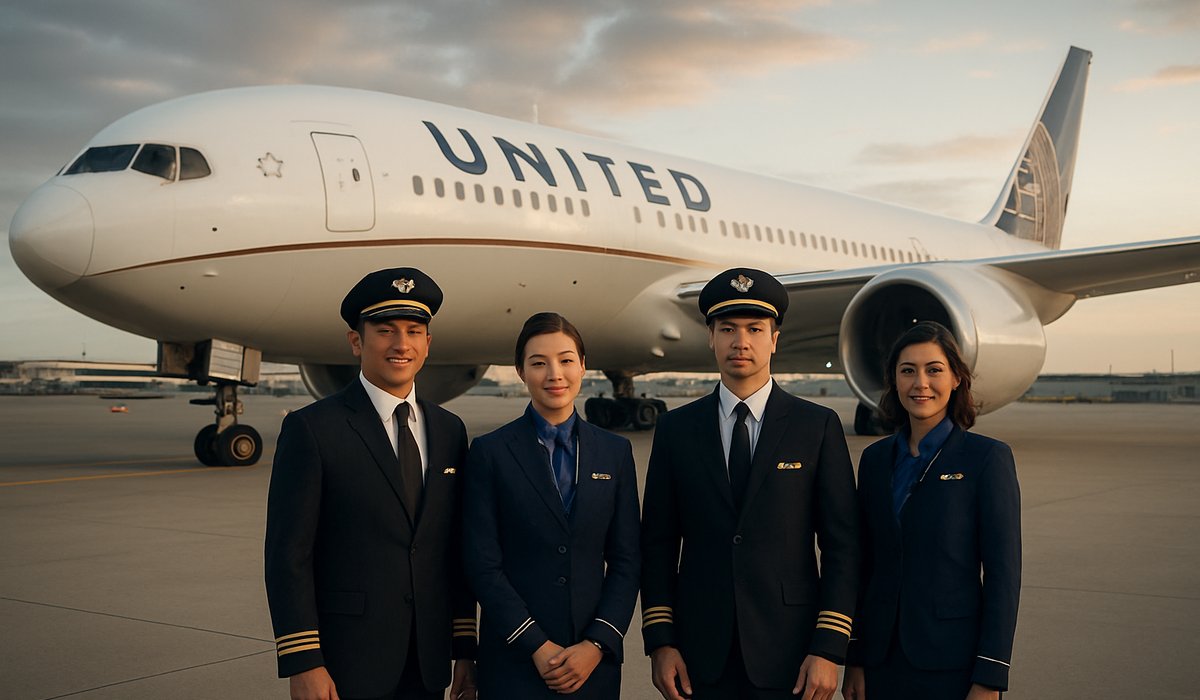
Image generated by AI
United Airlines Flight Attendants Win Historic Contract: 31% Pay Raise and $741 Million in Back Pay
Landmark labor agreement signals major shift in aviation worker compensation amid industry-wide staffing pressures
Breaking: Unprecedented Deal Reshapes United's Labor Relations
United Airlines has reached a watershed moment in its labor negotiations, securing ratification of a transformative contract with approximately 30,000 flight attendants represented by the Association of Flight Attendants-CWA. The agreement—featuring a 31% wage increase and $741 million in retroactive compensation—marks one of the most substantial labor settlements in modern aviation history and signals intensifying cost pressures across the airline industry.
The ratified contract resolves years of protracted negotiations between the Chicago-based carrier and its cabin crew workforce, arriving at a critical juncture as the aviation sector braces for peak summer travel demand. The agreement encompasses immediate pay raises alongside comprehensive workplace reforms and enhanced compensation frameworks that fundamentally reshape crew economics at one of North America's "Big Three" carriers.
Financial Impact and Crew Compensation Details
Under the new framework, flight attendants will receive cumulative wage increases totaling 31% over the contract period, with $741 million allocated as retroactive pay addressing compensation gaps from previous contract years. This represents one of the largest single payouts to unionized airline workers in recent memory and reflects sustained pressure from labor groups following pandemic-era staffing challenges that left carriers struggling to maintain adequate crew levels.
The settlement arrives amid broader industry turbulence, where elevated jet fuel prices, post-pandemic operational complexity, and aggressive union organizing have compounded financial pressures on major carriers. Airlines have simultaneously grappled with increased baggage fees and ancillary revenue strategies—measures aimed at offsetting rising labor and operational costs.
Strategic Implications for Aviation's Largest Players
The contract's approval provides United with crucial labor stability heading into the summer peak season, though it simultaneously raises questions about cost management across the industry. Competitors including American Airlines and Delta Air Lines face mounting pressure to match or exceed comparable compensation packages, potentially triggering a wave of similar agreements that could reshape airline economics industry-wide.
Association of Flight Attendants-CWA representatives emphasized the deal's significance for crew dignity and representation, while United management stressed the importance of maintaining operational continuity during peak travel periods. The settlement underscores the aviation industry's ongoing recalibration following pandemic disruptions and reflects workers' increased leverage in contract negotiations.
As airlines contend with jet fuel price volatility, tightening margins, and evolving passenger expectations, this agreement will likely establish benchmarks for subsequent negotiations across the sector. Investors and industry observers will closely monitor whether major carriers successfully absorb these elevated labor costs or implement broader fee structures affecting consumer travel expenses.
Frequently Asked Questions
How will this United Airlines contract affect passenger ticket prices? While direct ticket price increases aren't immediate, airlines often adjust fares and baggage charges to offset elevated labor costs. Passengers may see higher ancillary fees rather than base fare increases, though competitive pressures may limit immediate adjustments.
What does this mean for other airlines' labor negotiations? This landmark settlement establishes a compensation ceiling for unionized aviation workers across the industry, creating significant pressure on American Airlines, Delta, and Southwest to match or exceed comparable terms in their own crew contracts.
Why do jet fuel prices matter in airline labor disputes? Jet fuel represents one of airlines' largest operating expenses. When fuel costs rise, carriers have less flexibility for labor cost increases, making fuel price trends central to contract negotiation timelines and outcomes.
How does this contract compare to pre-pandemic flight attendant compensation? The 31% increase substantially exceeds typical annual raises and reflects cumulative losses from pandemic years when many carriers implemented pay freezes or reductions, making this settlement a significant catch-up adjustment.
When does this new contract take effect? The ratified agreement takes immediate effect upon approval, with retroactive pay distributions processed according to contractual timelines specified in the settlement agreement.
Related Travel Guides
- Finnair and UK Flights Disrupted as NATS Air Traffic Failure Cancels Over 1,000 Services
- Middle East Travel Chaos: Severe Flight Cancellations and Delays Paralyze King Abdulaziz Airport in Jeddah as Saudia and Flyadeal Networks Collapse
- Collins Aerospace Reimagines Economy's Most Dreaded Seat With Privacy-First Cabin Innovation
Disclaimer
This article is for informational and educational purposes only. It does not constitute legal, financial, or professional advice. While we strive to provide accurate and up-to-date information, travel policies, regulations, and conditions change rapidly. Always verify information with official sources before making travel decisions. Nomad Lawyer makes no representations about the accuracy, reliability, completeness, or suitability of the information provided. Readers should consult qualified professionals for advice specific to their circumstances. The views expressed in this article are those of the author and do not necessarily reflect the views of Nomad Lawyer.
Kunal K Choudhary
Co-Founder & Contributor
A passionate traveller and tech enthusiast. Kunal contributes to the vision and growth of Nomad Lawyer, bringing fresh perspectives and driving the community forward.
Learn more about our team →