
Airlines Frontier American: Systemic Safety Lapses Spark Second Collision Lawsuit
Frontier Airlines files second lawsuit against American Airlines in 2026, alleging systemic safety lapses following aircraft collision. The ultra-low-cost carrier demands compensation for aircraft damage and grounding costs totaling hundreds of thousands of dollars.

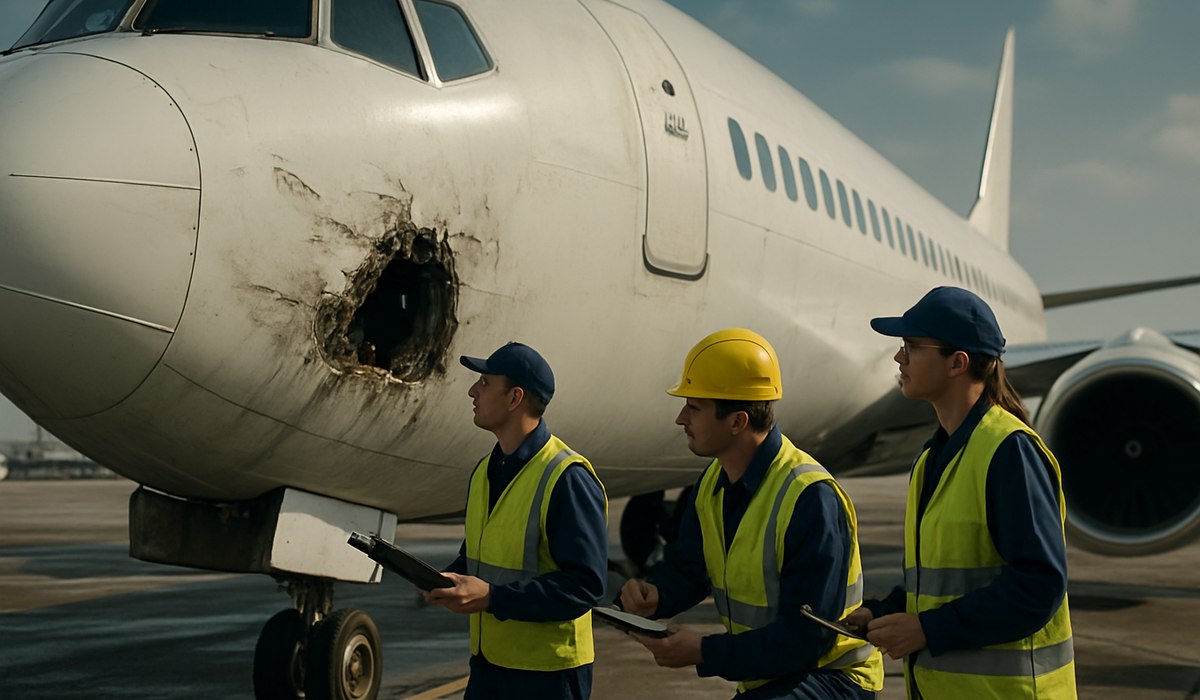
Image generated by AI
Denver-Based Frontier Airlines Takes Legal Action Over Safety Failures
Frontier Airlines, the Denver-based ultra-low-cost carrier, has filed a second major lawsuit against American Airlines, accusing the Fort Worth-headquartered competitor of systemic safety lapses that resulted in a damaging aircraft collision. The lawsuit, filed in April 2026, seeks substantial compensation for aircraft damage and operational losses caused by the grounding of Frontier's damaged airplane. This marks an escalation in disputes between the two carriers regarding safety protocols and operational standards in commercial aviation.
The collision incident exposed what Frontier's legal team characterizes as persistent and widespread safety failures at American Airlines. The damages extend beyond aircraft repair costs to include significant revenue losses from the grounded aircraft, highlighting the financial impact of safety lapses on ultra-low-cost carriers operating on thin profit margins.
Second Collision Lawsuit: Frontier's Safety Claims Against American
This represents Frontier's second collision-related lawsuit against American Airlines, indicating a pattern of concerns regarding the larger carrier's safety culture and operational practices. The legal action underscores growing tensions between carriers of different business models competing for market share in the U.S. aviation sector.
The lawsuit specifically alleges that systemic safety lapses at American Airlines directly contributed to the collision incident. Frontier's claims focus on inadequate safety procedures, insufficient ground operations oversight, and failures in communication protocols between ground crews and flight operations staff. These systemic issues, according to the filing, created conditions that made the collision preventable.
The timing of this second lawsuit suggests that initial incidents and complaints were not adequately addressed by American Airlines management. Frontier's legal team points to documented instances where similar safety concerns were raised previously, establishing a pattern of negligence rather than an isolated incident. This distinction is critical in litigation, as it demonstrates awareness and failure to remediate known safety risks.
Ultra-low-cost carriers like Frontier operate with significantly lower operating costs and thinner profit margins than legacy carriers. Even relatively minor incidents causing aircraft grounding can result in cascading financial losses through cancelled flights, passenger reboking, and operational disruptions. The lawsuit seeks to hold American Airlines financially responsible for these preventable consequences.
Alleged Systemic Safety Lapses at American Airlines
The complaint details multiple categories of systemic safety failures attributed to American Airlines operations. Ground handling procedures, aircraft servicing protocols, and ramp operations have all been cited as areas where American Airlines allegedly failed to maintain industry-standard safety practices.
Specific allegations include inadequate maintenance communication between ground crews, insufficient spacing protocols during aircraft parking and ground movement, and lapses in supervisory oversight of ground operations. These operational gaps created the conditions that led to the collision incident, according to Frontier's legal filings.
The systemic nature of these allegations is particularly significant. Rather than blaming individual employee errors, Frontier argues that American Airlines' organizational culture and management structure enabled these safety lapses to occur repeatedly. This suggests deficiencies in training, supervision, safety culture, and accountability systems at American Airlines.
Industry safety experts have raised concerns about cost-cutting measures at larger carriers that may compromise safety standards. While American Airlines has not publicly commented extensively on these specific allegations, the airline maintains that it operates according to FAA regulations and industry standards. The lawsuit will ultimately require evidence to substantiate Frontier's systemic safety claims.
Financial Impact: Damages and Aircraft Grounding
The financial impact of the collision extends far beyond the immediate aircraft repair costs. Frontier's lawsuit seeks compensation covering hundreds of thousands of dollars in documented damages, including repair expenses, parts replacement, and labor costs associated with returning the aircraft to airworthiness.
Beyond repair costs, the grounding period represents significant revenue loss. A single aircraft in a ultra-low-cost carrier's fleet typically generates substantial daily revenue through multiple flight cycles. Extended grounding periods eliminate this revenue stream while fixed operational costs continue.
The lawsuit also accounts for passenger impacts during the grounding period. Airlines must rebook affected passengers on alternate flights, often requiring expensive accommodations on competitor airlines. These deadheading costs and passenger compensation obligations accumulate rapidly during extended groundings.
Insurance considerations add another layer of financial complexity. Airlines typically carry substantial liability insurance, and disputes over coverage determinations can extend claim resolution timelines. Frontier's direct lawsuit against American Airlines seeks to establish clear liability and secure compensation outside insurance claim processes.
For ultra-low-cost carriers operating on razor-thin margins, a multi-week aircraft grounding can represent a substantial percentage of annual profits. This explains why Frontier has chosen to pursue aggressive legal action rather than accepting losses as part of normal operating costs.
Industry Implications for Ultra-Low-Cost Carriers
This lawsuit highlights unique vulnerabilities faced by ultra-low-cost carriers competing against larger legacy airlines. The smaller fleet size means that a single aircraft grounding impacts a larger percentage of operational capacity compared to legacy carriers with hundreds of aircraft.
The collision incident raises questions about safety oversight and operational standards across different airline business models. Ultra-low-cost carriers must maintain identical safety standards as legacy carriers while operating on substantially lower cost structures, creating inherent operational pressures.
Ground operations coordination becomes increasingly critical at congested airports where multiple airlines share facilities. As ultra-low-cost carriers expand their presence at major hubs, interactions with other airlines' ground operations increase proportionally, elevating collision risk if safety protocols are not universally maintained.
The case may establish important legal precedents regarding liability for systemic safety failures versus individual incidents. Courts may ultimately define standards for what constitutes systemic safety lapses versus operational oversights, with implications for the entire industry.
| Aspect | Details |
|---|---|
| Plaintiff | Frontier Airlines (Denver-based ultra-low-cost carrier) |
| Defendant | American Airlines (Fort Worth-based legacy carrier) |
| Incident Type | Aircraft collision during ground operations |
| Filing Date | April 2026 |
| Primary Claims | Systemic safety lapses, operational negligence |
| Damages Sought | Aircraft repair costs, grounding losses (hundreds of thousands of dollars) |
| Allegations | Inadequate maintenance protocols, insufficient ground crew communication |
| Industry Impact | Ultra-low-cost carrier operational vulnerability, fleet size implications |
What This Means for Travelers
Safety incidents between airlines have direct implications for passenger experiences, booking decisions, and travel planning. Here's what travelers should understand:
-
Monitor Airline Safety Records: Review published safety statistics through the FAA website before booking flights. While both carriers maintain operational certifications, documented litigation helps identify patterns worth considering.
-
Track Flight Operations: Use real-time tracking tools like FlightAware to monitor your specific aircraft's operational history and any maintenance-related delays before departure.
-
Verify Ground Operations: When booking connecting flights on different airlines at the same airport, allow extra buffer time to account for potential ground-operation coordination issues.
-
Document Your Experience: If your flight is cancelled or delayed due to safety-related incidents, document everything for potential compensation claims under DOT regulations.
-
Review Passenger Rights: Check the U.S. Department of Transportation website for your rights regarding compensation for flight disruptions caused by airline operational failures.
Travelers should recognize that lawsuits between airlines, while concerning, typically result from isolated incidents rather than indicating systemic dangers. Both carriers maintain FAA certification and safety compliance. However, legal actions do spotlight operational areas worth monitoring.
FAQ
Q: Does this lawsuit mean American Airlines is unsafe for passengers?
A: This lawsuit addresses ground operations and maintenance procedures rather than flight safety systems. Both carriers maintain full FAA certification and comply with all safety regulations. Legal disputes involve operational liability rather than airworthiness concerns affecting passenger safety.
Q: Will this lawsuit affect my upcoming American Airlines or Frontier flight?
A: This litigation should not impact current flight operations. Both airlines continue normal operations with full safety certifications. The lawsuit addresses specific operational incidents from early 2026 and seeks financial compensation rather than operational changes.
**Q: Can I
Disclaimer
This article is for informational and educational purposes only. It does not constitute legal, financial, or professional advice. While we strive to provide accurate and up-to-date information, travel policies, regulations, and conditions change rapidly. Always verify information with official sources before making travel decisions. Nomad Lawyer makes no representations about the accuracy, reliability, completeness, or suitability of the information provided. Readers should consult qualified professionals for advice specific to their circumstances. The views expressed in this article are those of the author and do not necessarily reflect the views of Nomad Lawyer.
Raushan Kumar
Founder & Lead Developer
Full-stack developer with 11+ years of experience and a passionate traveller. Raushan built Nomad Lawyer from the ground up with a vision to create the best travel and law experience on the web.
Learn more about our team →