
Frontier Airlines Slashes Fleet to Control Losses
Frontier Airlines returned 24 Airbus aircraft, reducing its fleet to 165 jets as net losses widened to $90 million in Q2 2026 despite record operating revenues.

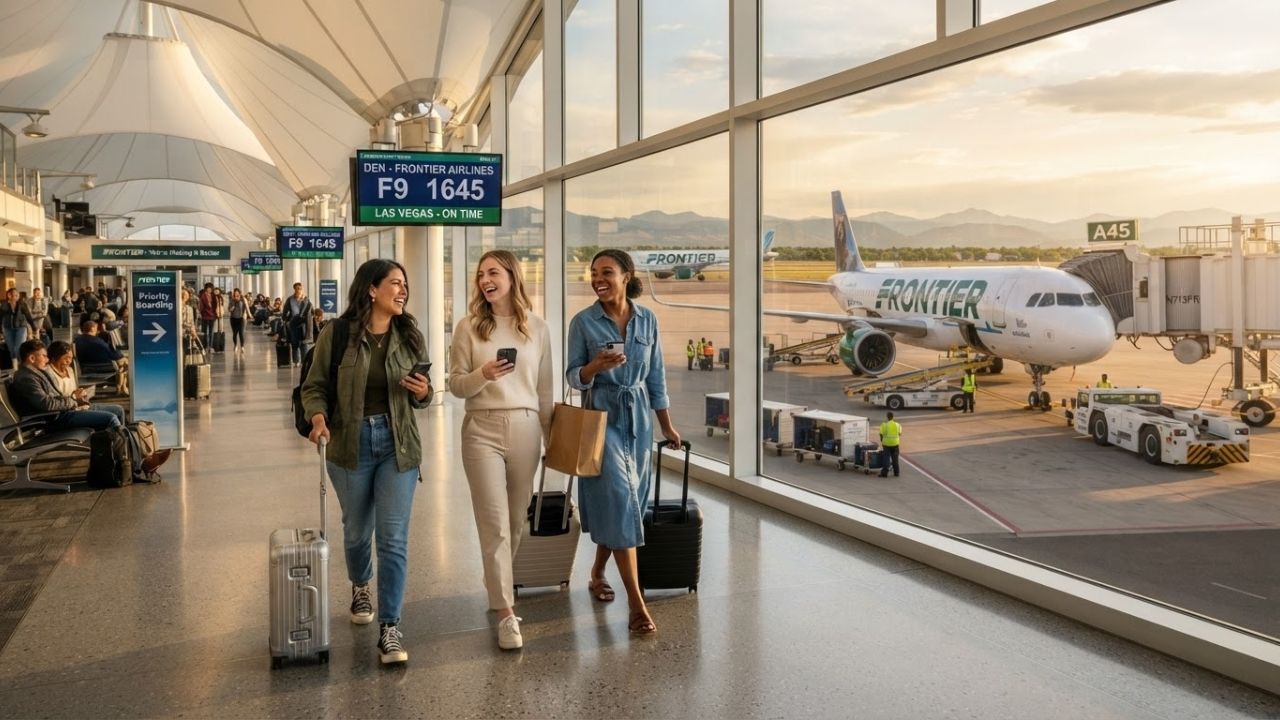
Image generated by AI
Frontier Airlines has reduced its operating fleet by 18 aircraft in the second quarter of 2026 to curb rising operating expenses and address a pre-tax loss of $94 million. While the carrier reported record revenues of $1.279 billion, high fuel costs averaging $4.17 per gallon have forced a strategic retreat to higher-performing routes.
The Disruption Details
Our analysis of US domestic aviation disclosures indicates a dramatic commercial realignment at Frontier Airlines. Despite generating a record $1.279 billion in operating revenue during the second quarter of 2026, the carrier reported a net loss of $90 million, widening from a $70 million net loss in the same period of 2025. Over the first six months of 2026, Frontier's net loss ballooned to $362 million, up from $113 million in the first half of 2025.
To stem these losses, the airline executed a fleet contraction, operating 165 Airbus single-aisle aircraft at the end of June compared to 183 at the end of March. This net reduction of 18 aircraft was driven by the return of 24 Airbus A320neo aircraft under an Early Return Agreement, offset by the delivery of two Airbus A320neo and four Airbus A321neo jets. High jet fuel prices, which cost the airline $436 million at an average of $4.17 per gallon, absorbed the benefits of strong consumer demand.
Flight & Airport Impact Breakdown
While Frontier is not implementing a system-wide suspension of flights, its fleet contraction means that capacity will be allocated much more selectively. Flight tracking data and network planners indicate that travelers will see route reorganizations and schedule changes across the US, Mexico, and the Caribbean.
- Aircraft Return Activity: Under its early return plan, the carrier returned 24 Airbus A320neo aircraft, which carry 186 passengers, to leasing companies.
- Underperforming Route Cuts: Aircraft are being shifted away from underperforming cities and consolidated at primary leisure and business hubs.
- Delivery Delays: Airbus postponed one planned Airbus A321neo delivery from the second quarter to the third quarter of 2026.
- Fleet Modernization Focus: Future capacity growth will rely on larger, more fuel-efficient Airbus A321neo jets configured with 240 seats.
Passenger Rights & Advisory (Information Gain & Experience)
For the affected passenger holding tickets on Frontier Airlines, these fleet cuts and route realignments increase the risk of schedule changes. Under US Department of Transportation (DOT) guidelines, travelers possess clear rights if their flights are altered.
Our analysis of the policy suggests passengers take the following protective steps:
- Significant Schedule Change Refunds: If Frontier changes your flight times by three hours or more, you are entitled to a full cash refund to your original payment method, rather than a travel voucher.
- Notification Monitoring: Because carriers frequently adjust schedules during network consolidations, travelers should monitor flight status alerts closely in the weeks leading up to departure.
- Premium Class Substitutions: If you book Frontier's new First Class seating and the airline substitutes an aircraft without premium seats, the DOT requires a refund of the fare difference.
Industry Analyst View
The decision to reduce fleet size while introducing premium seating and planned onboard Wi-Fi represents a structural shift in the ultra-low-cost carrier business model. The traditional model of relying entirely on cheap base fares and rapid capacity growth is proving unsustainable under high fuel prices and labor costs.
By extending its Barclays co-branded credit card agreement through 2037, the airline is seeking to stabilize its cash flows through recurring loyalty revenue. Moving toward larger aircraft like the A321neo allows the carrier to reduce unit costs per seat, while premium seating helps extract higher margins from comfort-seeking leisure travelers.
Related Travel Guides
Disclaimer
This article is for informational and educational purposes only. It does not constitute legal, financial, or professional advice. While we strive to provide accurate and up-to-date information, travel policies, regulations, and conditions change rapidly. Always verify information with official sources before making travel decisions. Nomad Lawyer makes no representations about the accuracy, reliability, completeness, or suitability of the information provided. Readers should consult qualified professionals for advice specific to their circumstances. The views expressed in this article are those of the author and do not necessarily reflect the views of Nomad Lawyer.
Kunal K Choudhary
Co-Founder & Contributor
A passionate traveller and tech enthusiast. Kunal contributes to the vision and growth of Nomad Lawyer, bringing fresh perspectives and driving the community forward.
Learn more about our team →