
Frontier Airlines Flight FFT4949 Airbus A321-271NX Executes Emergency U-Turn at Salt Lake City International Airport in 2026
Frontier Airlines flight FFT4949, an Airbus A321-271NX, was forced to make an emergency return to Salt Lake City International Airport on July 12, 2026, following a critical cockpit sensory alert shortly after departure for Phoenix.

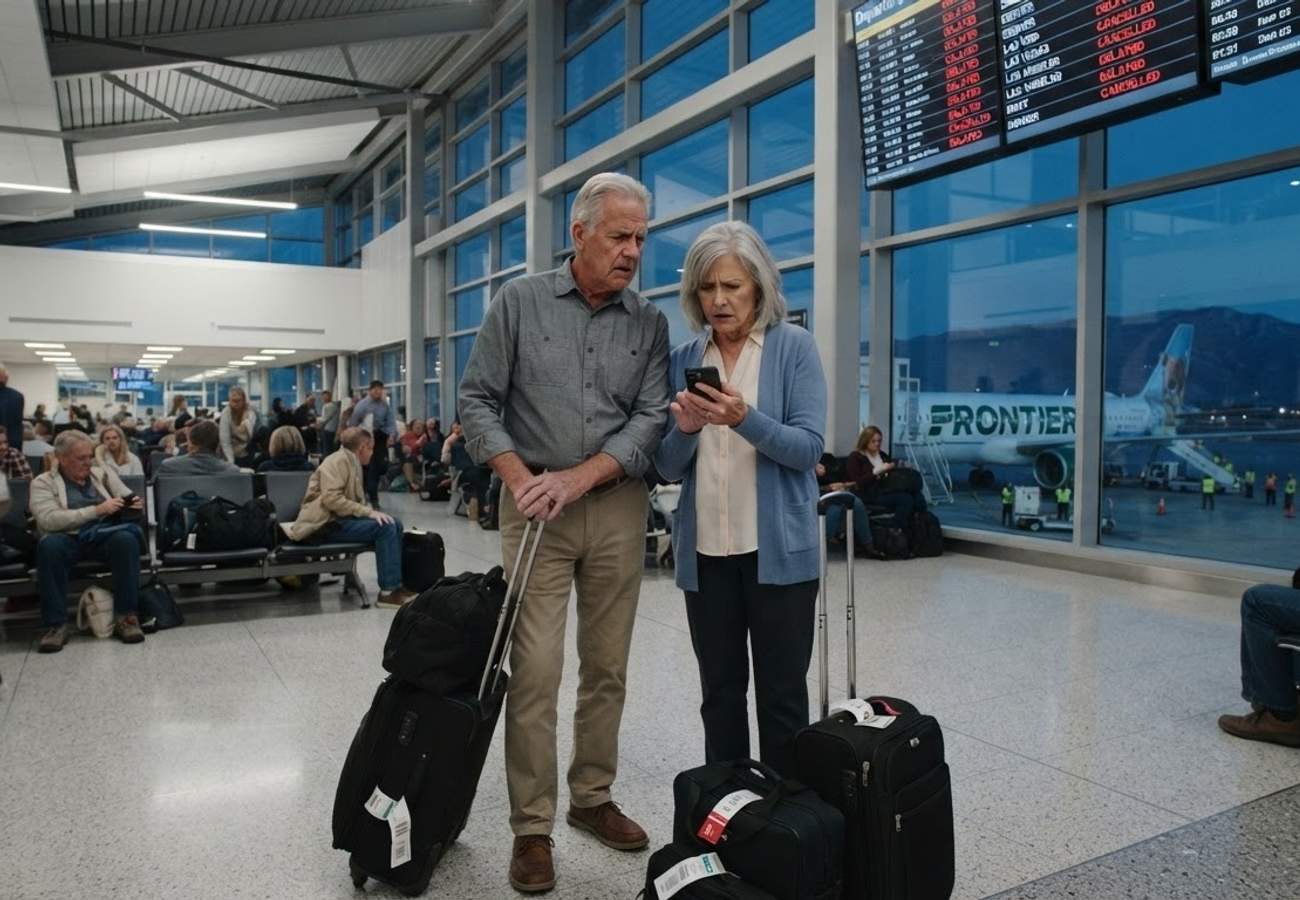
Image generated by AI
Frontier Airlines flight FFT4949, operated by an Airbus A321-271NX, performed an immediate mid-air turnaround and returned to Salt Lake City International Airport on July 12, 2026, after a cockpit alert triggered safety protocols.
Emergency Diversion of Flight FFT4949
On July 12, 2026, Frontier Airlines flight FFT4949, scheduled to transit from Salt Lake City (SLC) to Phoenix (PHX), abandoned its flight path shortly after takeoff. Telemetry data confirms the aircraft executed a sharp U-turn, reverting to the terminal after the flight crew identified an operational issue.
The aircraft, an Airbus A321-271NX, utilizes automated health monitoring systems designed to detect fluctuations in engine performance and cabin pressure. According to operational reports, a critical sensory alert within the cockpit's active warning array forced the crew to prioritize immediate landing over schedule compliance. This tactical maneuver required air traffic controllers to clear local airspace to accommodate the returning jet.
Flight Timeline and Technical Specifications
The operational log indicates a highly compressed window between departure and the emergency touchdown. The aircraft remained within a lower altitude block, preventing it from reaching standard cruising altitude, which facilitated the rapid banking turn over the Utah valley.
| Event | Time (EST) | Status/Detail |
|---|---|---|
| Gate Pushback | 21:10 | Scheduled Departure |
| Takeoff | 21:27 | Departure from SLC |
| Diversion Initiation | Post-Takeoff | Immediate U-Turn executed |
| Emergency Landing | 21:56 | Successful touchdown at SLC |
| Aircraft Model | N/A | Airbus A321-271NX |
| Flight Number | FFT4949 | Salt Lake City $\rightarrow$ Phoenix |
Aircraft Performance and Handling
The Airbus A321-271NX airframe managed the sudden deceleration and descent profiles required for the abrupt return. Because the aircraft was fully loaded with fuel reserves intended for the Phoenix route, the flight crew had to implement precise airspeed management to ensure the landing gear could withstand the stress of an early, heavy touchdown.
The twin-engine narrowbody's responsive thrust systems allowed the crew to align with the active runway at Salt Lake City International Airport without severe altitude fluctuations. Following the landing, the aircraft was moved to a secure hangar for a full diagnostic of the cockpit alert.
Traveler Logistics Guide: Handling Flight Diversions
When a "Sharpe flight diversion" or emergency return occurs, passengers should follow these logistics protocols to minimize disruption:
- Immediate Post-Landing Steps: Once the aircraft reaches the gate, follow ground crew instructions. In the case of FFT4949, Frontier leveraged its station footprint at SLC to provide immediate customer service.
- Re-booking and Documentation: Request written confirmation of the diversion from the airline. This is essential for travel insurance claims regarding "trip interruption."
- Voucher Management: For overnight delays, ensure you receive meal and hotel vouchers. If the airline cannot provide immediate accommodation, keep all itemized receipts for reimbursement.
- Baggage Recovery: In emergency returns, baggage is typically unloaded at the original departure terminal. Verify with ground staff if bags will be held in a secure area or returned to the carousel.
- Digital Transit Tools: Use real-time tracking apps to monitor replacement aircraft arrivals, which can provide a more accurate ETA than airport departure boards.
Infrastructure and Safety Impact Assessment
The decision to return to Salt Lake City International Airport rather than attempting to proceed or divert to a secondary airfield minimizes operational risks. By returning to a primary maintenance base, Frontier Airlines ensured the Airbus A321-271NX could be inspected by specialized engineering teams immediately.
This incident underscores the efficacy of modern automated warning systems and the strict operational boundaries enforced by US aviation authorities. The rapid coordination between the flight deck and regional air traffic control prevented the technical glitch from escalating into a critical safety failure.
Safety protocols remain the primary driver for mid-flight tactical adjustments in modern narrowbody operations.
Related Travel Guides
Disclaimer
This article is for informational and educational purposes only. It does not constitute legal, financial, or professional advice. While we strive to provide accurate and up-to-date information, travel policies, regulations, and conditions change rapidly. Always verify information with official sources before making travel decisions. Nomad Lawyer makes no representations about the accuracy, reliability, completeness, or suitability of the information provided. Readers should consult qualified professionals for advice specific to their circumstances. The views expressed in this article are those of the author and do not necessarily reflect the views of Nomad Lawyer.
Preeti Gunjan
Contributor & Community Manager
A passionate traveller and community builder. Preeti helps grow the Nomad Lawyer community, fostering engagement and bringing the reader experience to life.
Learn more about our team →