
Free Walking Tours Reshape Global Urban Tourism as Travelers Adopt Pay-What-You-Want Tipping Etiquette Across World Capitals
Pay-what-you-want free walking tours transform city tourism across London, Paris, Rome, Berlin, and Tokyo by offering flexible, authentic neighborhood exploration.

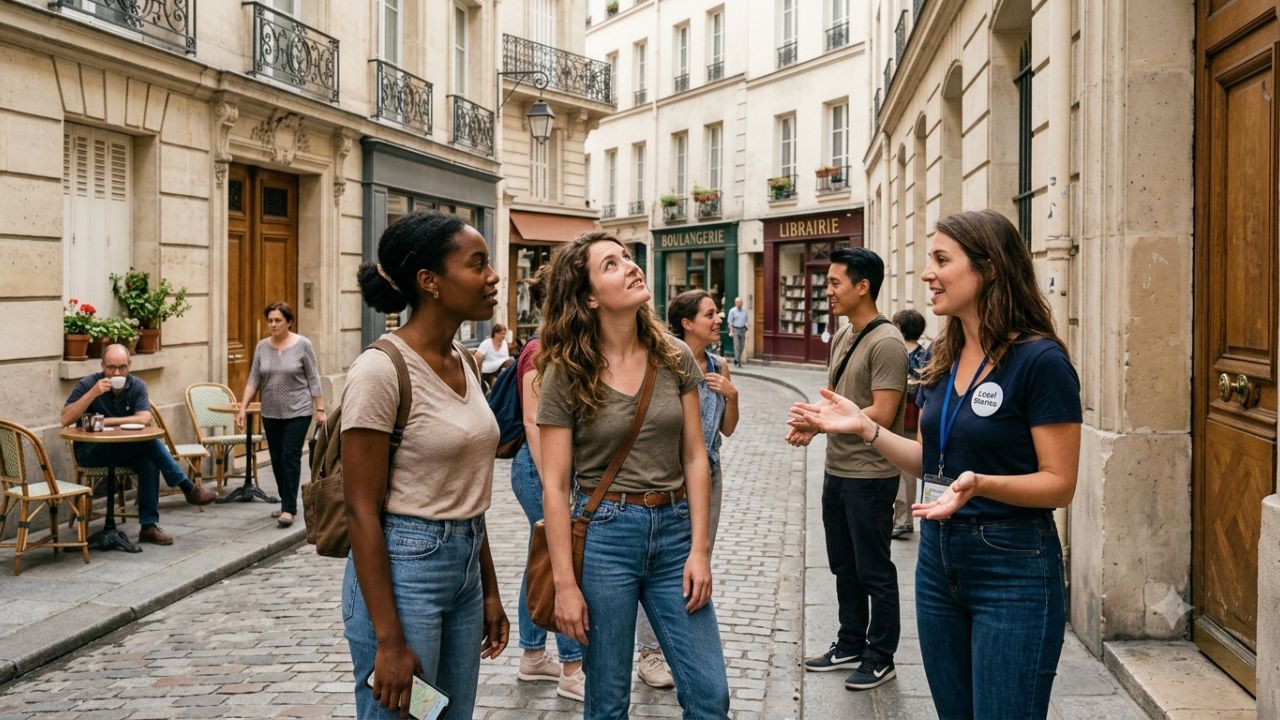
Image generated by AI
Free walking tours have emerged as one of the fastest-growing sectors in global urban tourism, transforming how travelers explore major metropolitan destinations. By replacing fixed-rate upfront excursion fees with a flexible, pay-what-you-want contribution model, walking tours offer accessible, authentic neighborhood exploration across historic European capitals, North American metropolises, and Asian cultural hubs.
The rapid expansion of the free walking tour model reflects broader shifts in traveler preferences toward experiential, community-focused tourism. Independent travelers, solo backpackers, and budget-conscious families increasingly prefer guided walking routes over traditional bus excursions. Led by licensed local storytellers and independent guides, these tours provide contextual historical insights, architectural analysis, and recommendations for local food venues that lie beyond standard tourist itineraries.
Understanding the Pay-What-You-Want Economic Model and Tipping Etiquette
While branded as "free," pay-what-you-want walking tours operate as tip-supported micro-enterprises. Guides invest significant research, preparation, and physical effort into delivering multi-hour walking routes, relying on voluntary guest contributions to maintain their livelihood and operational expenses.
Navigating tipping expectations requires travelers to balance tour quality, duration, group size, and local living costs when determining an appropriate contribution.
| Tour Evaluation Factor | Contribution Considerations | Recommended Traveler Practice |
|---|---|---|
| Tour Duration & Depth | Standard 2 to 3-hour historic core walks require higher contribution than short 1-hour walks | Scale contribution proportionally to time spent and depth of historical detail provided |
| Guide Expertise & Engagement | Interactive storytelling, historical accuracy, and local recommendations add high value | Offer a premium contribution for licensed guides delivering exceptional visitor experiences |
| Local Economic Context | Living costs and currency values vary significantly between Western Europe, Eastern Europe, and Asia | Adjust contribution amounts based on local economic conditions and regional tipping norms |
| Group Size Dynamics | Small intimate group walks allow personal interaction compared to large 30+ person groups | Consider higher per-person contributions for small-group personalized walking routes |
Regional Breakdown: Leading Global Destinations for Guided Walking Tours
Historic European capitals remain the global hub of walking tour activity, benefiting from compact, pedestrianized historic centers, preserved medieval architecture, and rich cultural heritage. Beyond Europe, major global cities across North America and Asia-Pacific have embraced walking tours to showcase local food trails and creative districts.
- London, United Kingdom: Offers historic walking routes covering Royal Westminster, the Tower of London, Victorian East End history, and Southbank cultural quarters.
- Paris, France: Features district-level architectural walks through Montmartre, Le Marais, the Latin Quarter, and the Seine riverbanks.
- Rome, Italy: Navigates ancient Roman archaeological zones, Vatican historic quarters, and Trastevere neighborhood culinary paths.
- Barcelona, Spain: Highlights Catalan Modernisme architecture, Gothic Quarter medieval lanes, and El Born artisan districts.
- Berlin, Germany: Explores Cold War history, Berlin Wall monuments, street art culture, and historic Prussian landmarks.
- Amsterdam, Netherlands: Focuses on Canal Ring UNESCO heritage, Golden Age architecture, and Jordan district heritage.
- Global Hubs (New York, Tokyo, Sydney): Provide specialized walks focusing on ethnic neighborhood food trails, financial district history, and coastal heritage walks.
| City / Region | Popular Walking Tour Themes | Average Tour Duration | Key District & Walking Routes |
|---|---|---|---|
| London | Royal history, literary trails, street art | 2.5 to 3 Hours | Westminster, City of London, Shoreditch |
| Paris | Gothic architecture, impressionist history | 2 to 2.5 Hours | Montmartre, Le Marais, Île de la Cité |
| Rome | Ancient Rome, Renaissance art, food tours | 2.5 to 3 Hours | Centro Storico, Trastevere, Colosseum area |
| Berlin | Cold War history, WWII memorials, urban art | 3 Hours | Mitte, Friedrichshain, Checkpoint Charlie |
| Tokyo | Historic temples, modern pop culture, food | 2.5 Hours | Asakusa, Yanaka, Harajuku, Ueno |
Economic Benefits for Local Small Businesses and Tourism Communities
The economic impact of walking tours extends directly into local host communities. Unlike closed-loop coach tours that deposit visitors exclusively at major commercial attractions, walking tours introduce travelers to independent cafes, family-owned bakeries, neighborhood bookstores, and local handicraft shops along the route.
In addition, walking tours promote sustainable urban tourism by reducing reliance on motorized transport within congested city centers, encouraging low-impact foot traffic, and distributing visitor spending into residential and creative quarters.
Digital Booking Technology and the Future of Urban Guided Walks
While the core appeal of walking tours remains grounded in direct human connection and storytelling, digital platforms are enhancing visitor accessibility. Online reservation systems, real-time group management apps, and multilingual audio augmentation allow travelers to preview tour routes and secure spots during peak travel seasons.
As global city travel continues to evolve in 2026, pay-what-you-want walking tours will remain an essential component of sustainable, accessible, and story-driven urban exploration.
FAQ: Global Free Walking Tours 2026
Are free walking tours completely free to join?
Free walking tours do not require an upfront booking fee, but guests are expected to provide a voluntary tip or contribution at the end of the tour based on the quality of the experience.
How much should I tip on a pay-what-you-want walking tour?
Appropriate contributions vary by region, but travelers generally tip the equivalent of €10–€20 (or $10–$25 USD) per person for a standard 2 to 3-hour guided walk in major cities.
Do I need to reserve a spot on a walking tour in advance?
While walk-ups are accepted on some tours, advance digital reservations are strongly recommended during peak travel seasons to guarantee a spot and prevent over-crowded group sizes.
What are the most popular cities for walking tours worldwide?
London, Paris, Rome, Barcelona, Berlin, Amsterdam, New York, Tokyo, and Sydney are among the world's top destinations for guided urban walking tours.
Related Travel Guides
Disclaimer
This article is for informational and educational purposes only. It does not constitute legal, financial, or professional advice. While we strive to provide accurate and up-to-date information, travel policies, regulations, and conditions change rapidly. Always verify information with official sources before making travel decisions. Nomad Lawyer makes no representations about the accuracy, reliability, completeness, or suitability of the information provided. Readers should consult qualified professionals for advice specific to their circumstances. The views expressed in this article are those of the author and do not necessarily reflect the views of Nomad Lawyer.
Kunal K Choudhary
Co-Founder & Contributor
A passionate traveller and tech enthusiast. Kunal contributes to the vision and growth of Nomad Lawyer, bringing fresh perspectives and driving the community forward.
Learn more about our team →