
France Dominates Morocco Tourism as 7.7 Million Visitors Arrive in First Five Months of 2026
Morocco welcomes record 7.7 million international visitors in early 2026, with France emerging as the top source market, solidifying Africa's leading travel destination status.

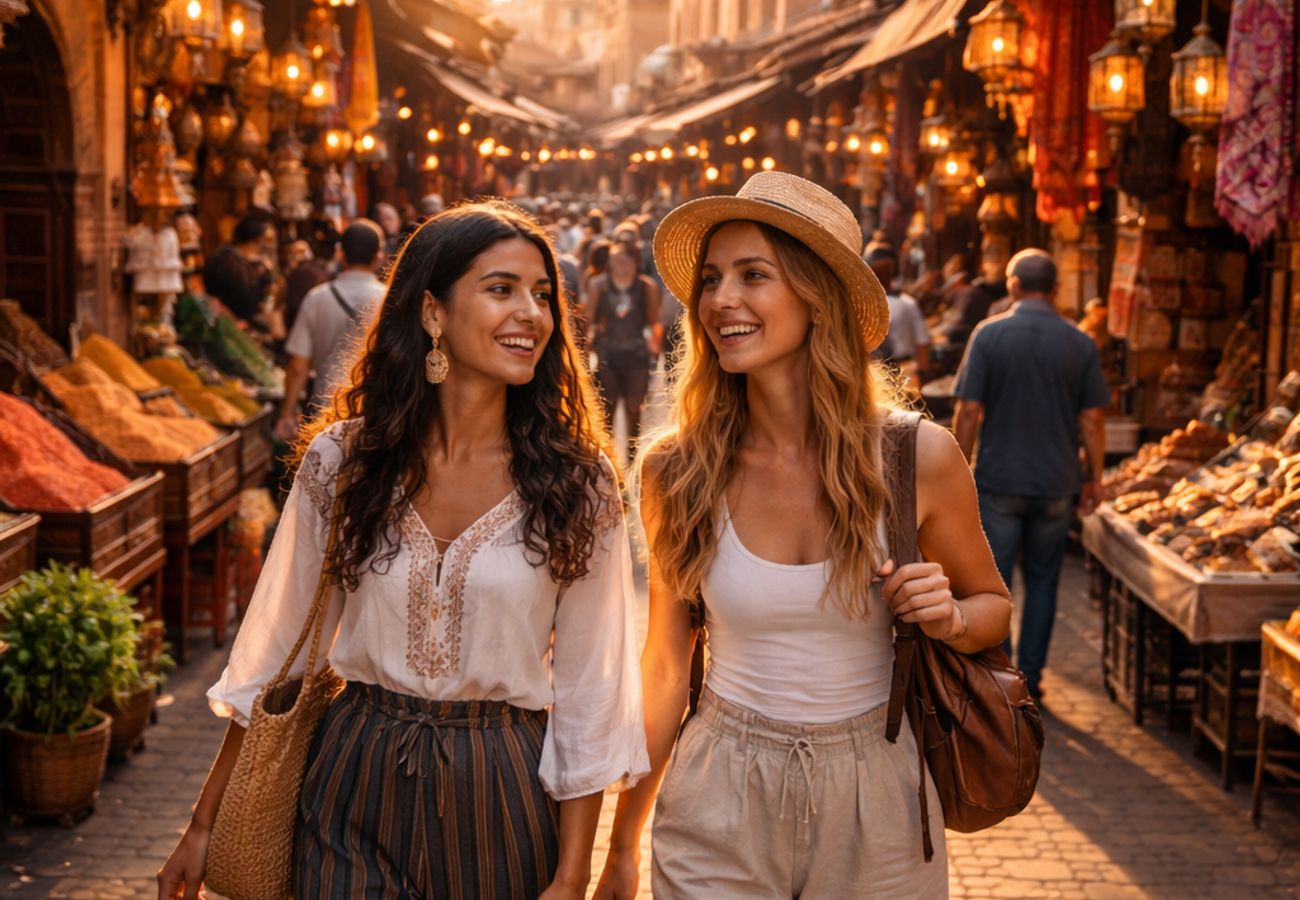
Image generated by AI
Morocco just pulled off something remarkable. In the first five months of 2026, the kingdom welcomed 7.7 million international visitors—a stunning 7% jump from the same period in 2025. But the real headline? France has dethroned the USA, UK, Italy, Belgium, Netherlands, Canada, and China to become the dominant source market.
This isn't just tourism noise. It's a fundamental shift in how travelers view Africa's leading destination, and the numbers tell a compelling story about strategic investment, air connectivity, and timeless cultural appeal.
May's Record-Breaking Surge
May 2026 alone delivered a jaw-dropping 1.7 million arrivals—a 13% year-on-year spike. That's not gradual growth. That's explosive momentum.
Reddit: "The infrastructure improvements in Morocco are actually making a difference. Direct flights from Paris and better signage have changed everything for us." — r/travel
What's driving this? Expansion of air connectivity is the cornerstone. New direct flights, partnerships with international carriers, and streamlined routing have slashed travel times and friction points. When you make it easier for travelers to reach a destination, they come.
France's Dominance: A Market Shift
The emergence of France as Morocco's primary visitor source is significant. Proximity plays a role, sure—but this reflects something deeper: improved accessibility and aggressive marketing targeting European leisure travelers.
The top ten contributing countries tell the story:
- France (new leader)
- Spain
- Germany
- United States
- United Kingdom
- Italy
- Belgium
- Netherlands
- Canada
- China
Spain's strong performance makes sense—cultural ties and geographic proximity. But Germany's significant growth in leisure and cultural tourism, combined with sustained UK arrivals despite long-haul distances, shows Morocco's appeal is genuinely global. North American interest is resurging, particularly among cultural and adventure travelers. China's gradual recovery as restrictions ease signals potential for even larger growth ahead.
The Infrastructure Revolution
Morocco didn't stumble into these numbers. The government has invested heavily in tourism infrastructure modernization, including airport upgrades, hotel networks, and diversified regional transport systems.
This isn't just building for Marrakech and Casablanca anymore. Essaouira, Ouarzazate, and the Atlas Mountains are being developed to disperse visitor traffic and encourage longer stays. Luxury resorts, eco-tourism lodges, and boutique hotels now cater to segmented traveler preferences—from adventure seekers to wellness-focused tourists.
The first quarter performance underscored this strategy: 4.3 million visitors in Q1, up 7% year-over-year. Consistency matters.
Why Morocco Keeps Winning
Morocco's tourism model rests on three pillars: cultural heritage, natural landscapes, and modern accessibility.
Historic medinas, UNESCO World Heritage sites, and traditional souks draw culturally curious travelers. The Sahara Desert, Atlas Mountains, and Atlantic-Mediterranean coastlines attract adventure seekers. The new wave? Eco-tourism and wellness retreats—sustainable travel options for environmentally conscious international visitors.
Government initiatives have streamlined visa processes, improved multilingual services, and emphasized sustainable tourism practices. When a destination makes travelers feel welcome and protected, bookings follow.
The Economic Reality
Tourism contributes roughly 7% of Morocco's GDP. But the real impact runs deeper: widespread employment across hotels, transport, retail, and cultural services. Rural areas particularly benefit. Artisan workshops, local restaurants, transportation providers, and cultural sites all see direct revenue injection from international arrivals.
Infrastructure developed for tourism—roads, electricity, telecommunications—improves residents' quality of life. This creates a virtuous cycle: better infrastructure attracts more visitors, which funds further development.
The 2030 Target: 26 Million Visitors
Morocco isn't resting on 7.7 million. The government is targeting 26 million annual international visitors by 2030, coinciding with Morocco's co-hosting of the FIFA World Cup alongside Spain and Portugal.
That tournament represents a global marketing platform. The kingdom plans to leverage it aggressively—showcasing cultural attractions, world-class infrastructure, and diverse experiences to a worldwide audience. Private sector investment and destination diversification are being accelerated in tandem.
The strategy extends beyond major cities. Regional development focuses on broadening tourism's geographic footprint, attracting niche markets (adventure tourism, wellness, cultural immersion), and ensuring sustainable growth that protects cultural and environmental assets.
What This Means for Travelers
If you're considering Morocco in 2026 or beyond, understand you're arriving at an inflection point. The destination is scaling rapidly while maintaining its character. Air connectivity is improving. Accommodations are diversifying. Marketing is savvy. Yet the medinas, mountains, and deserts that make Morocco extraordinary remain authentic.
Expect better infrastructure, shorter wait times at major attractions, and more sophisticated tourism services. Expect higher prices in popular destinations—demand drives margins. But also expect alternatives: emerging regions like Ouarzazate and Essaouira offer similar experiences with fewer crowds.
Reddit: "Book beyond Marrakech if you want the real Morocco experience. The smaller regions have the same magic without the tourist crush." — r/solotravel
The Bigger Picture for Africa
Morocco's success matters beyond its borders. It demonstrates that African destinations can compete globally—not through discounting or gimmicks, but through strategic investment, authentic experiences, and intelligent marketing.
When one African nation leads, others follow. Morocco's playbook—infrastructure investment, air connectivity expansion, sustainable tourism practices, and cultural celebration—is being studied across the continent. Nigeria, Kenya, and Tanzania are watching. Tanzania's tourism sector could model Morocco's regional diversification strategy.
The 7.7 million visitors represent opportunity, yes. But they also represent validation: African tourism is a legitimate global industry, and travelers worldwide want authentic African experiences.
Morocco's ascent from regional player to Africa's tourism powerhouse isn't luck—it's strategic obsession with traveler experience, and the numbers prove it.
Related Travel Guides
Disclaimer
This article is for informational and educational purposes only. It does not constitute legal, financial, or professional advice. While we strive to provide accurate and up-to-date information, travel policies, regulations, and conditions change rapidly. Always verify information with official sources before making travel decisions. Nomad Lawyer makes no representations about the accuracy, reliability, completeness, or suitability of the information provided. Readers should consult qualified professionals for advice specific to their circumstances. The views expressed in this article are those of the author and do not necessarily reflect the views of Nomad Lawyer.
Raushan Kumar
Founder & Lead Developer
Full-stack developer with 11+ years of experience and a passionate traveller. Raushan built Nomad Lawyer from the ground up with a vision to create the best travel and law experience on the web.
Learn more about our team →