
Creator-Led Tourism Reshapes European Travel in 2026
Digital storytelling by independent content creators is fundamentally transforming how European destinations attract visitors, replacing traditional marketing with authentic social media narratives.

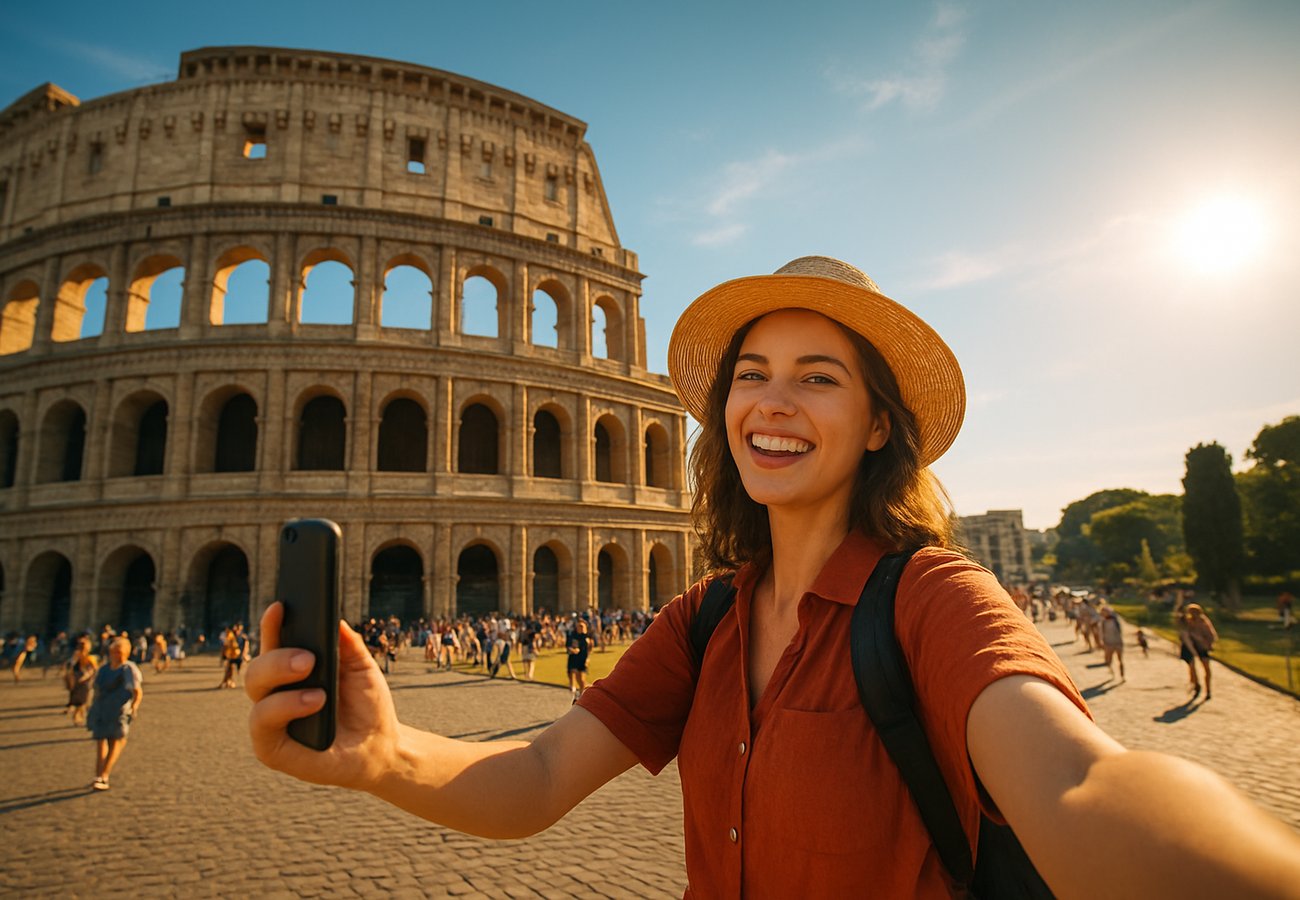
Image generated by AI
The Digital Revolution Nobody Expected
I watched it happen in real-time. A single TikTok video of a lesser-known Portuguese village garnered 8 million views. Within weeks, the local tourism board reported a 340% spike in inquiry emails. That's the new reality of travel marketing, and Europe's tourism authorities are scrambling to adapt.
Tourism has entered a fundamentally different era. Digital creators now wield more influence over destination popularity than multi-million dollar government advertising campaigns. Organizations like the U.S. National Travel and Tourism Office and VisitBritain have formally acknowledged what everyone traveling Instagram already knows: traditional tourism marketing is dead. Long live creator-led tourism.
Reddit: "I booked my entire Greece trip based on creator content, not official tourism sites. The experience matched better than any tourist board brochure ever could." — r/travel
This shift represents the largest disruption to destination marketing since the internet itself. Instead of slick commercials, travelers now crave authentic narratives. They want behind-the-scenes moments, honest reviews, local recommendations, and real experiences packaged in short-form video and immersive storytelling.
When Social Media Becomes Your Marketing Department
The data tells a stunning story. Social media platforms have displaced traditional travel guides as the primary inspiration source for international tourists. Visual content platforms—Instagram, TikTok, YouTube Shorts—now drive visitor expectations more powerfully than any official tourism board ever could.
Young travelers, especially those aged 18-35, rarely consult traditional travel brochures anymore. They scroll through creator feeds. They watch destination vlogs. They read travel blogs. These micro-moments of discovery have become the actual decision point for booking trips.
The European Travel Commission (ETC) has documented this seismic shift in traveler behavior. Destinations appearing frequently in viral creator content experience measurable increases in booking inquiries within days. Sometimes hours. This creates an urgent challenge: how do staid government tourism agencies compete with entertainment?
National Tourism Bodies Play Catch-Up
Europe's tourism authorities didn't invent this model, but they're learning to navigate it fast. The European Travel Commission and organizations managing tourism in individual nations have begun formal partnerships with content creators. These aren't haphazard social media posts—they're structured programs.
Destination familiarization trips bring creators to cities and regions for curated experiences. Cultural storytelling projects commission original content. Real-time travel coverage provides fresh, authentic narratives that feed the algorithm constantly. The goal: generate organic reach that paid advertising can never achieve.
Government tourism strategies now track digital engagement metrics alongside traditional visitor statistics. Search volume spikes, social media sentiment analysis, and viral content velocity have become essential planning tools. The UK, Italy, Spain, and other major European destinations now employ dedicated digital teams focused entirely on creator relationships and online visibility metrics.
Experience-Based Travel Is No Longer Optional
Here's what creator-led tourism fundamentally changed: travelers now expect experiences, not just destinations.
The old model was simple—visit the Eiffel Tower, check the box, move on. The new model demands immersion. Travelers want cooking classes in Tuscany, flamenco lessons in Seville, wine tastings with local producers in Bordeaux. They want stories they can share. They want Instagrammable moments that feel authentic, not staged.
UN Tourism and international development frameworks now emphasize experiential tourism as a core growth strategy. Hotels, airlines, and local tour operators have restructured entire product lines around storytelling potential. Activities are designed with content creation in mind—but paradoxically, this authenticity-first approach works because genuine experiences photograph better than artificial ones.
Sustainability has become central to this shift. Travelers influenced by creator content increasingly prioritize cultural respect and environmental responsibility. This aligns tourism growth with broader sustainability goals in ways that traditional mass tourism never achieved.
The Economic Machinery Shifts
The financial impact is substantial and measurable. While traditional advertising still exists, creator-driven discovery now influences immediate booking behavior more reliably. A viral travel video can generate more qualified leads than a six-figure advertising campaign.
Hotels, airlines, and tour operators have adapted by integrating creator partnerships directly into revenue models. They track ROI on creator collaborations more closely than traditional advertising. Why? Because the attribution is transparent. A creator posts content, link clicks appear, bookings follow.
Government tourism reports from across Europe document concrete patterns: destinations featured in viral creator content see measurable increases in search traffic within 48 hours. This effect has created an arms race where tourism boards now compete to attract creator attention and participation.
The Dark Side: Overcrowding and Authenticity Crises
Not everything about creator-led tourism works beautifully. Some European destinations face a genuine problem: they've become victims of their own viral success.
Portugal's Quinta dos Olhos in Penela, Croatia's Plitvice Lakes, and Spain's Seville attracting unsustainable crowds all trace their overcrowding directly to creator content. Infrastructure creaks. Local communities resent invasions of tourists. Natural environments degrade. Photo spots become trampled mud.
Tourism authorities have responded with visitor caps, timed entry systems, and awareness campaigns designed to distribute demand. Some destinations now explicitly discourage influencer content creation, implementing photography restrictions or paying creators to feature lesser-known locations instead.
There's also growing concern about authenticity. When every experience is designed for content creation, does authenticity vanish? When travelers visit locations purely to recreate viral shots, do they actually understand the destination?
These questions remain contested among tourism professionals, but they're now central to policy discussions across Europe.
Technology Transforms Tourism Governance
The most sophisticated tourism destinations now employ sophisticated digital infrastructure to manage creator influence. Real-time tourism dashboards track online mentions, sentiment analysis flags emerging trends, and AI prediction models forecast visitor surges before they arrive.
These data-driven systems, powered by advanced analytics platforms, help authorities respond to sudden demand spikes. Infrastructure can be reinforced. Staff can be deployed. Marketing can be adjusted. The goal is balancing popularity with preservation—managing growth without sacrificing what makes destinations worth visiting.
Government statistical agencies now track digital behavior as carefully as traditional visitor numbers. This represents a genuine governance innovation: using technology to keep tourism sustainable in an age of viral unpredictability.
What's Next: Creator-Led Tourism in 2027 and Beyond
The trajectory is clear. Creator influence on travel will expand as digital platforms consolidate their reach. Tourism strategies will place even greater emphasis on authentic storytelling and creator collaboration.
Simultaneously, governments and tourism organizations are developing more sophisticated guidelines for responsible content creation. Rather than fighting the creator economy, they're trying to shape it—encouraging content that supports local communities and environmental sustainability.
The evolution of creator-led tourism isn't slowing down. It's accelerating. The destinations that understand storytelling, embrace authentic experiences, and build creator-friendly ecosystems will capture an outsized share of future travel demand.
The destinations that cling to traditional marketing? They're already becoming irrelevant.
Creator-led tourism is the future—and Europe's learning to compete in real-time.
Related Travel Guides
British Airways Expands US Network to Record 26 Heathrow Routes as Transatlantic Demand Surges
Eurostar's Record Growth: UK-Netherlands Rail Boom Reshapes European Travel
Disclaimer
This article is for informational and educational purposes only. It does not constitute legal, financial, or professional advice. While we strive to provide accurate and up-to-date information, travel policies, regulations, and conditions change rapidly. Always verify information with official sources before making travel decisions. Nomad Lawyer makes no representations about the accuracy, reliability, completeness, or suitability of the information provided. Readers should consult qualified professionals for advice specific to their circumstances. The views expressed in this article are those of the author and do not necessarily reflect the views of Nomad Lawyer.
Raushan Kumar
Founder & Lead Developer
Full-stack developer with 11+ years of experience and a passionate traveller. Raushan built Nomad Lawyer from the ground up with a vision to create the best travel and law experience on the web.
Learn more about our team →