
France Alongside Germany, Switzerland, United Kingdom and Italy Engulfed in Record-Breaking Europe Heatwave Crisis as Holiday Travelers Face Tourism Meltdown, Life-Threatening Heat Alerts, Hospital Overload and Transport Collapse Across Iconic Destinations
Record-breaking heatwaves in France, Italy, Germany, UK, and Switzerland cause transport collapse and health crises. See

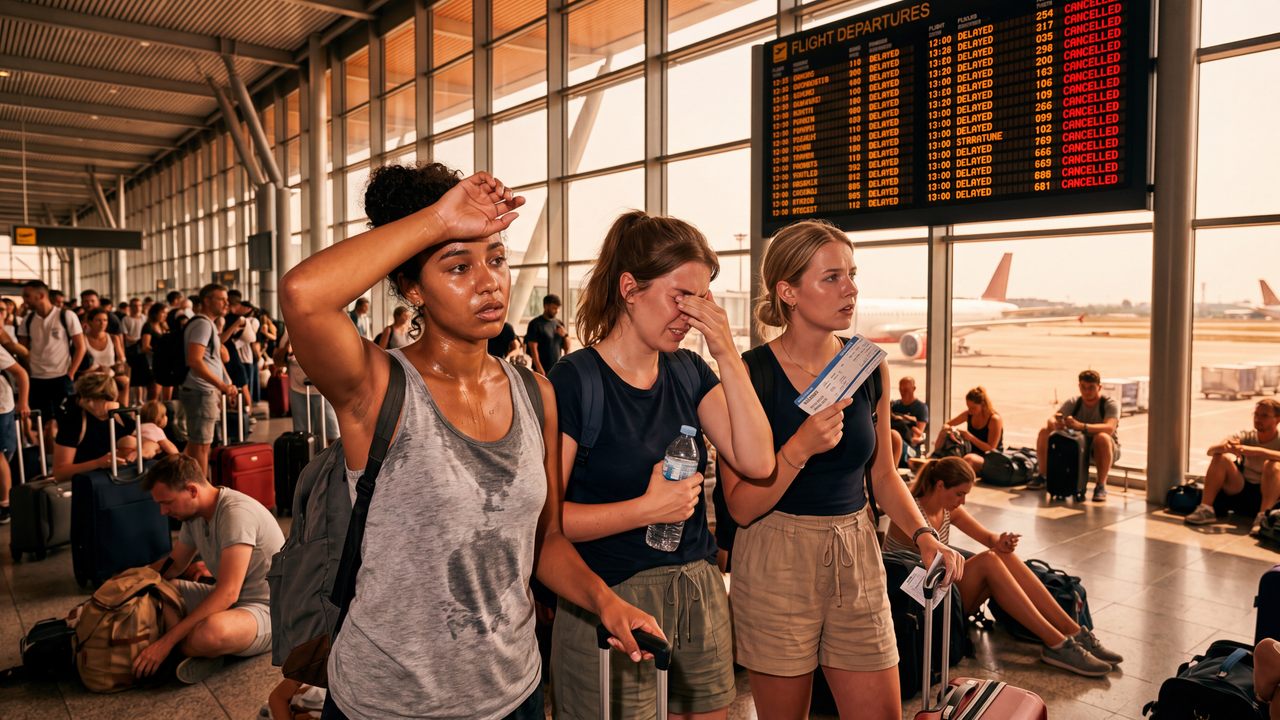
Image generated by AI
[Brussels, June 28, 2026] — A record-breaking heatwave is currently paralyzing tourism and transportation networks across France, Germany, Switzerland, Italy, and the United Kingdom, forcing emergency protocols in several of Europe's most visited cities. The crisis has triggered life-threatening heat alerts, overwhelmed healthcare systems, and caused widespread collapses in transit infrastructure during the peak 2026 summer travel window.
The scale of the weather event is unprecedented, with meteorological services reporting temperatures exceeding 40°C in multiple regions. This surge in heat has coincided with record-high tourist volumes, creating a perfect storm that has pushed public health and transport systems to their breaking points in hubs such as Paris, Rome, London, and Basel.
Emergency Protocols Triggered in France and Italy
In France, the heatwave has escalated to a national crisis, with red alerts issued for Paris and various southern provinces. Industry sources indicate that public hospitals are currently flooded with patients suffering from cardiac stress and severe dehydration. To mitigate the risk to life, authorities have postponed or canceled several major public events. Travelers are being strongly advised to avoid outdoor activities during peak sunlight hours as temperatures remain at dangerous levels.
Similarly, Italy has placed its most iconic tourism hotspots under extreme threat warnings. Major cities including Rome, Venice, Florence, and Milan are struggling to manage the influx of visitors amidst the heat. Reports suggest that public fountains and shaded areas have become essential survival zones for tourists experiencing heat exhaustion. Access to many outdoor attractions has been restricted to prevent further medical emergencies.
Infrastructure Failures Across Germany and the UK
Germany is facing a severe infrastructure collapse as a direct result of the extreme thermal stress. Flight tracking data and road reports indicate that major autobahns are experiencing surface failures and asphalt cracking due to the heat. Simultaneously, rail operators have issued warnings against all non-essential travel as tracks warp and services face massive delays. This breakdown in ground transport has led to a surge in demand for air travel, contributing to increased congestion at European airports.
In the United Kingdom, the travel network is under immense strain following record-breaking temperatures. The rail system is experiencing extensive delays, while emergency health services are struggling to keep pace with the number of citizens and tourists suffering from heat stress. There have also been reports of increased accidental deaths related to river travel as people seek relief in waterways. Those traveling to London and surrounding metropolitan areas are being urged to modify their itineraries.
Alpine Risks and Glacier Melt in Switzerland
Switzerland has seen temperatures peak at 38.8°C in Basel, introducing a dangerous climate dimension to the travel crisis. Beyond the immediate risk of heatstroke for tourists, officials are monitoring the accelerated melting of glaciers in the Alpine region.
To ensure safety, authorities have banned travelers from entering specific high-risk areas of the Alps. The reduction in available outdoor tourism activities is a direct consequence of the unstable terrain and extreme heat stress affecting high-altitude environments.
Comprehensive Analysis of European Transport Disruptions
The current crisis has moved beyond a simple weather event, evolving into a systemic failure of travel logistics across the continent. The following data outlines the specific impacts across different transport sectors:
| Sector | Primary Impact | Operational Consequence |
|---|---|---|
| Rail | Thermal expansion of tracks | Reduced operations and strict speed restrictions |
| Roads | Asphalt melting and surface cracks | Highway closures and structural failures |
| Air Travel | Airport congestion | Flight delays and necessary rerouting |
| Urban Transport | System overheating | Breakdowns due to overcrowding and heat |
Essential Safety Guidelines for Current Travelers
Industry observers recommend that anyone currently traveling within the affected European zones adopt a flexible approach to their itineraries. To minimize health risks and travel frustrations, the following actions are advised:
- Monitor Real-Time Updates: Regularly check airline and rail notifications for sudden cancellations or rerouting.
- Adjust Schedules: Shift sightseeing and transit to early morning or late evening hours to avoid peak heat.
- Prioritize Hydration: Carry significant supplies of water and utilize designated cooling stations.
- Government Alerts: Stay tuned to official national meteorological warnings and emergency broadcasts.
Why This Matters: The Future of European Tourism
The 2026 European heatwave is more than a seasonal disruption; it is a signal of a fundamental shift in global travel patterns. The fact that five of the world's most popular destinations are simultaneously experiencing a "tourism meltdown" suggests that traditional peak-summer travel may soon become high-risk.
From a journalistic perspective, this crisis highlights a growing vulnerability in European infrastructure. The collapse of German autobahns and the strain on UK rail networks demonstrate that existing systems are not engineered for the new climate reality. For the aviation industry, the shift in demand—where travelers flee failing rail networks for flights—creates a dangerous ripple effect of airport congestion and capacity issues.
Ultimately, this event forces the travel industry to reconsider the viability of "peak summer" tourism. We are likely to see a permanent shift toward "shoulder season" travel (spring and autumn) as the hottest months become too hazardous for both the visitors and the cities hosting them.
Related Travel Guides
Disclaimer
This article is for informational and educational purposes only. It does not constitute legal, financial, or professional advice. While we strive to provide accurate and up-to-date information, travel policies, regulations, and conditions change rapidly. Always verify information with official sources before making travel decisions. Nomad Lawyer makes no representations about the accuracy, reliability, completeness, or suitability of the information provided. Readers should consult qualified professionals for advice specific to their circumstances. The views expressed in this article are those of the author and do not necessarily reflect the views of Nomad Lawyer.
Preeti Gunjan
Contributor & Community Manager
A passionate traveller and community builder. Preeti helps grow the Nomad Lawyer community, fostering engagement and bringing the reader experience to life.
Learn more about our team →