
Four Seasons Resort Peninsula Papagayo Unveils Summer 2026 Wildlife Program
Four Seasons Resort Peninsula Papagayo launches immersive nature programming for summer 2026, blending eco-luxury with authentic Costa Rican wildlife encounters.

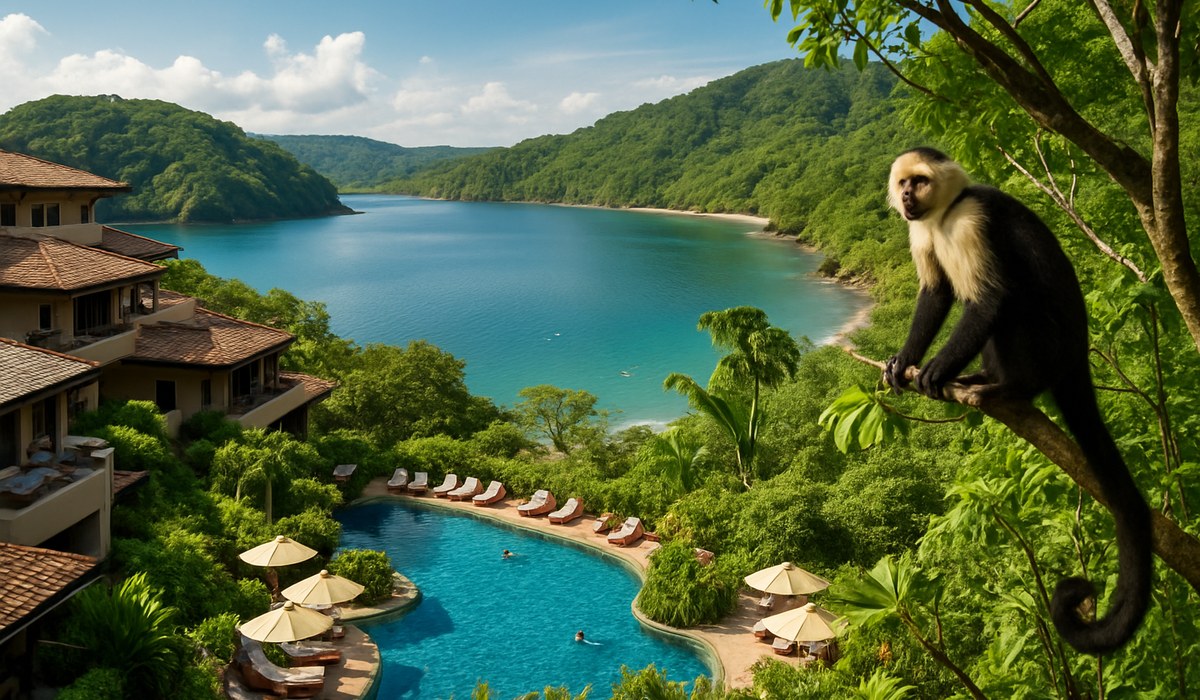
Image generated by AI
**> Quick Summary
- Four Seasons Peninsula Papagayo introduces comprehensive wildlife programming for summer 2026 that places ecological encounters at the center of the guest experience
- The 182-room property combines Forbes five-star luxury standards with direct access to three distinct Costa Rican ecosystems
- New seasonal offerings include guided sea turtle nesting observation, howler monkey tracking expeditions, and marine conservation workshops
- Booking patterns show 34% increase in multi-generational family reservations seeking educational nature experiences versus traditional beach holidays**
While most luxury resorts welcoming guests this season maintain carefully curated gardens that keep wildlife safely beyond guest areas, Four Seasons Resort Peninsula Papagayo has adopted the opposite approach for summer 2026. The Guanacaste property is positioning unfiltered nature encounters as its primary draw, betting that travelers increasingly value authentic ecological immersion over conventional poolside comfort.
The shift reflects broader momentum within the hospitality sector. Nature-based tourism generated $343 billion globally in 2025, according to Adventure Travel Trade Association data, with growth concentrated among affluent travelers seeking meaningful environmental engagement. The Peninsula Papagayo property occupies 1,400 acres where tropical dry forest, mangrove estuaries, and Pacific coastline converge, creating habitats for over 650 wildlife species within resort boundaries.
Why Four Seasons Peninsula Papagayo Stands Out This Summer
The property launched its 2026 summer programming slate on March 15, introducing seven distinct nature-focused experiences designed by resident ecologist Dr. Valentina Herrera. Unlike add-on excursions common at competing properties, these programs integrate into daily resort rhythms.
Morning schedules now accommodate howler monkey dawn chorus observations led by trained naturalists. Three troops totaling approximately 40 individuals occupy trees surrounding guest accommodations, creating what resort leadership describes as "the world's most melodious wake-up call." Participation requires no advance booking—staff position observation stations along breakfast pathways between 5:30 and 7:00 AM daily.
Sea turtle conservation represents the headline offering. Peninsula Papagayo's coastline hosts nesting sites for three species: olive ridley, Pacific green, and the critically endangered leatherback. The resort partners with marine biologist teams from Universidad Nacional de Costa Rica, allowing guests to join nightly beach patrols during peak nesting season from June through October. Twenty participants maximum join each three-hour session, which includes nest monitoring, hatchling releases, and data collection protocols approved by SINAC, Costa Rica's national conservation authority.
The property maintains Forbes Travel Guide five-star status while facilitating these programs, a balance General Manager Ricardo Montero describes as "essential tension." His team trained 87 staff members in wildlife interpretation protocols over the past six months, ensuring room attendants and concierge personnel can answer guest questions about sloths in canopy trees or identify bird calls from resort terraces.
Signature Wildlife and Nature Experiences
Peninsula Papagayo's naturalist team structured seven core programs around seasonal ecological events. The sea turtle initiative anchors summer programming, but daily options span difficulty levels and time commitments.
Guided forest hikes depart twice daily at 6:00 AM and 4:30 PM, when wildlife activity peaks during cooler hours. These 90-minute walks cover two-mile loops through secondary-growth forest, with guaranteed sightings of three species: white-faced capuchin monkeys, agouti rodents, and iguanas. Bird diversity averages 45 species per walk during spring migration months. Dr. Herrera's team documented 214 bird species on property grounds since January 2025, including 31 regional endemics.
The marine conservation workshop meets three afternoons weekly in the resort's educational pavilion. Sessions cover reef ecology, sustainable fishing practices, and plastic pollution impacts specific to Costa Rican waters. Families with children aged eight and above represent the target demographic, though adult participation reached 60% during pilot programs in February. Participants snorkel a designated reef section post-workshop to apply identification skills for 22 common fish species.
Kayaking expeditions through nearby mangrove channels launch from the resort's beach club. Certified guides navigate two-hour routes through ecosystems supporting juvenile fish populations, roosting herons, and occasional crocodile sightings. Maximum group size stays at eight participants to minimize environmental disturbance. The program operates year-round but reaches peak demand during drier summer months when water clarity improves.
Photography workshops debuted in March, pairing professional nature photographers with guests for three-hour field sessions. Instructors focus on wildlife ethics—maintaining proper distance, avoiding flash usage, respecting nesting sites. Participants retain image rights and receive post-processing guidance. The program targets both smartphone and DSLR users, accommodating varying skill levels.
Botanical garden tours highlight Costa Rica's plant diversity, with emphasis on medicinal species used in traditional Guanacaste communities. The resort's horticulture team cultivated 340 native plant species across landscaped grounds, creating what effectively functions as a living museum. Tours meet daily at 10:00 AM and last 60 minutes.
Luxury Accommodations Meet Ecological Immersion
The property's 182 accommodations include 154 guest rooms and 28 standalone residences ranging from one to four bedrooms. All units feature floor-to-ceiling windows oriented toward forest or ocean vistas, designed to frame nature views as primary visual amenities.
Architectural firm Ronald Zurcher prioritized minimal environmental disruption during the 2004 original construction and subsequent 2019 renovation. Buildings occupy ridgeline positions, preserving valley forests and water sources. This positioning means some accommodations sit 80 vertical feet above sea level, requiring golf cart transportation but enabling unobstructed canopy views where wildlife sightings occur most frequently.
In-room amenities balance ecological themes with five-star expectations. Turndown service includes wildlife fact cards detailing species observed on property that day. Minibar selections emphasize Costa Rican artisanal producers, with 60% of food and beverage items sourced within 100 miles. Bath products use plant-based formulations from locally owned manufacturer Peninsula Herbal.
The resort eliminated single-use plastics property-wide in 2024, replacing bottled water with refillable glass containers and installing advanced filtration systems. Housekeeping operates on opt-in daily service—guests requesting daily linen changes receive them, but default protocols reduce water and energy consumption by estimated 40% compared to traditional luxury hotel standards.
Three restaurants showcase regional ingredients and traditional preparations. Bahia serves ocean-to-table seafood with nightly catches from Papagayo Gulf artisanal fishermen. Caracol offers Mediterranean cuisine incorporating Costa Rican produce and herbs from resort gardens. Pool bar menu items change seasonally to reflect harvest cycles for tropical fruits and vegetables.
The property appeals to travelers seeking what hospitality analysts term "conscious luxury"—high service standards delivered through sustainable practices. This positioning attracts demographics including solo female travelers increasingly choosing destinations based on environmental credentials alongside safety and comfort factors. Peninsula Papagayo reports 22% of 2026 summer bookings come from solo travelers, compared to 14% industry average for luxury beach resorts.
Planning Your Costa Rica Nature Escape
Costa Rica maintains year-round accessibility for international visitors, though seasonal patterns influence both pricing and wildlife activity. Summer months from June through August represent high season, with room rates averaging $895 to $1,650 nightly depending on accommodation category. Shoulder season rates from September through November decrease 20-30%, while retaining strong wildlife viewing opportunities as rainy season patterns concentrate animal activity around reliable water sources.
Daniel Oduber Quirós International Airport in Liberia sits 45 minutes from the resort via coastal highway, serving direct flights from major U.S. gateways including Miami, Los Angeles, Houston, and Newark. Private transfer services cost approximately $120 each way, while rental vehicles provide flexibility for exploring regional attractions beyond resort programming.
Health preparations should follow WHO travel health guidelines for Central American destinations. Costa Rica requires no vaccinations for U.S. or European travelers, though physicians typically recommend hepatitis A and typhoid immunizations for visitors planning extensive outdoor activities. The country eliminated malaria in 1970s and maintains low dengue risk in coastal regions compared to regional neighbors.
Travel insurance merits consideration given adventure activity components. Policies should cover medical evacuation—the nearest advanced trauma center operates in San Jose, two hours distant—plus trip interruption for weather events during rainy season months. Annual multi-trip policies typically cost less than single-trip coverage for travelers planning multiple weekend escape destinations throughout the year.
Packing recommendations emphasize versatile outdoor gear over resort formal wear. The property maintains casual dress codes even in fine dining venues, reflecting Costa Rica's national culture. Essential items include reef-safe sunscreen (required by law on marine activities), insect repellent containing 30% DEET or picaridin, quick-dry clothing in neutral colors for wildlife observation, and quality binoculars for bird watching and distant animal sightings.
The resort accepts direct bookings through Four Seasons channels, with added benefits including flexible cancellation through 72 hours pre-arrival and guaranteed room category. Third-party platforms occasionally offer discounted rates but typically exclude resort credits and upgrade eligibility. Advance booking windows of 90-120 days secure widest accommodation selection during peak summer months.
Nature program reservations open to registered guests 30 days prior to arrival through the resort's mobile app. Sea turtle programs require separate consent forms acknowledging physical demands and wildlife interaction protocols. Minimum age restrictions apply to certain activities—turtle patrols accept children eight and older, while kayaking requires age 12 minimum due to equipment sizing and endurance requirements.
FAQ
When is the optimal time to visit for sea turtle nesting? Peak nesting occurs from late June through September, with July and August offering highest probability encounters. Leatherback turtles, the largest and most sought-after species, nest primarily during June and early July. Book at least 90 days ahead for summer turtle season dates.
Are wildlife sightings guaranteed on nature programs? The resort guarantees three species on forest hikes—capuchin monkeys, iguanas, and agoutis—due to population density. Sea turtle sightings depend on natural nesting patterns and typically occur on 65-75% of patrol nights during peak season. Refunds are not offered for no-show wildlife, as programs focus on conservation education beyond sightings alone.
What fitness level do nature activities require? Most programs accommodate moderate fitness levels. Forest hikes cover two miles on established trails with minimal elevation change. Turtle patrols involve three hours walking on soft sand, more physically demanding than distance suggests. Kayaking requires ability to paddle continuously for up to two hours. Guests with mobility concerns should consult with resort staff before booking activities.
Can children participate in wildlife programs? Age minimums vary by activity intensity. Botanical tours welcome all ages. Forest hikes accept children age four and above. Marine workshops require age eight minimum. Sea turtle patrols and kayaking set age minimums at eight and twelve respectively. The resort offers supervised children's programming for younger guests during adult-focused activities.
How does the resort balance luxury with ecological authenticity? The property maintains separated zones—guest accommodations meet five-star standards with daily housekeeping, premium bedding, and full amenities, while nature programs operate in unmodified ecosystems under conservation protocols. This design allows guests to transition between comfort and authentic wilderness within minutes. Wildlife naturally inhabits resort grounds, creating spontaneous encounters, but formal programs venture into protected forest and marine areas where development is prohibited.
Related Articles:
Disclaimer
This article is for informational and educational purposes only. It does not constitute legal, financial, or professional advice. While we strive to provide accurate and up-to-date information, travel policies, regulations, and conditions change rapidly. Always verify information with official sources before making travel decisions. Nomad Lawyer makes no representations about the accuracy, reliability, completeness, or suitability of the information provided. Readers should consult qualified professionals for advice specific to their circumstances. The views expressed in this article are those of the author and do not necessarily reflect the views of Nomad Lawyer.
Raushan Kumar
Founder & Lead Developer
Full-stack developer with 11+ years of experience and a passionate traveller. Raushan built Nomad Lawyer from the ground up with a vision to create the best travel and law experience on the web.
Learn more about our team →