
Florida Wildfire Strands Amtrak Passengers for Hours During Peak Spring Travel
The fast-moving Crews Road Fire in northeast Florida forces Amtrak to halt and reverse trains in 2026, stranding hundreds of passengers for hours during peak spring travel season across Eastern Seaboard routes.

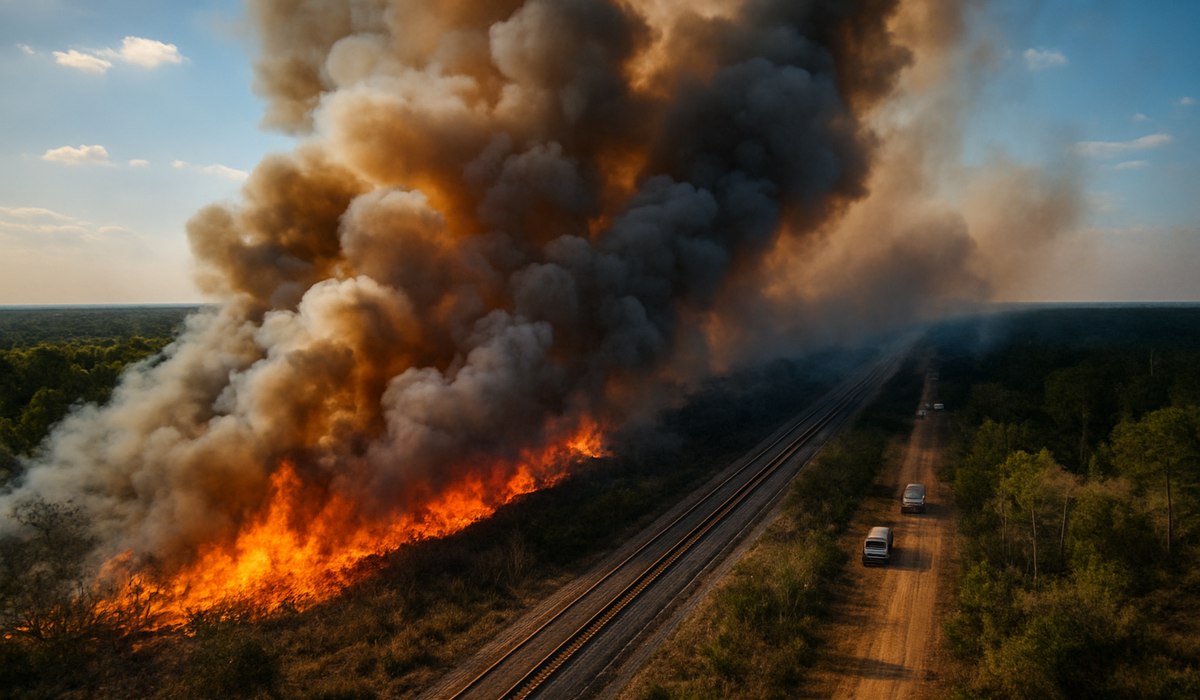
Image generated by AI
Crews Road Fire Forces Amtrak Rail Network Shutdown
The Crews Road Fire near Jacksonville brought Amtrak operations to a standstill on April 21, 2026, when a rapidly spreading wildfire in northeast Florida forced train dispatchers to halt and reverse multiple services. Burning across approximately 2,000 to 2,700 acres along the Clay and Putnam County line south of Jacksonville, the blaze sent thick smoke over critical rail corridors used by Amtrak's Silver Service and other long-distance trains. Hundreds of passengers found themselves stranded for hours as crews ordered rail traffic to stop while firefighting efforts intensified near the track right-of-way. The disruption occurred during peak spring travel season, amplifying frustration among travelers relying on rail service to connect Florida with major cities across the Eastern Seaboard and Midwest.
Widespread Disruptions Across Eastern Seaboard Routes
The Florida wildfire strands impacted multiple Amtrak services operating through the region. The Silver Service, which connects Miami with New York City, experienced the most severe disruptions, with some northbound trains forced to reverse course after extended delays near communities such as Palatka, Green Cove Springs, and DeLand. The Silver Meteor operating between Miami and New York, along with the Floridian linking Miami to Chicago, were truncated to terminate in Jacksonville or Savannah rather than their scheduled Florida destinations.
The Auto Train, which carries passengers and vehicles between Sanford near Orlando and Lorton, Virginia, was completely canceled during the wildfire event because the blaze blocked its only direct rail corridor. Passengers expecting to reach central Florida instead found themselves rerouted back to Virginia with their vehicles, facing significant schedule changes and additional costs.
According to Amtrak's official service updates, temporary bus bridges were instituted between Jacksonville and South Florida for certain departures. However, these substitute services operated on a limited basis and could not fully accommodate all displaced passengers. Regional media coverage documented overcrowded bus connections and extended waits as crews assembled replacement transportation around the active fire zone.
Passenger Accounts of Extended Delays and Reversals
Travelers stranded aboard Amtrak trains during the Florida wildfire strands incident reported delays stretching from many hours to more than 24 hours. Some passengers described being on board for nearly 40 hours as trains first waited on sidings, then reversed direction or were rerouted to alternative terminals. One widely documented account described a northbound Silver Service train halted north of DeLand, where riders initially expected a short delay that ultimately extended into a full day as the wildfire intensified.
Passengers reported substantial confusion regarding onward travel options once trains were turned around or terminated early. With tracks closed and schedules in flux, travelers questioned whether they would be rebooked on later departures, transferred to bus service, or required to arrange their own alternative transportation and lodging at intermediate cities. Social media accounts and regional news coverage highlighted passenger frustration over the lack of clear communication from Amtrak regarding rebooking procedures and compensation options during the extended disruption.
Smoke from active firefighting operations near Palatka and Green Cove Springs kept rail traffic at a standstill for extended periods. The combination of flame proximity to the right-of-way, ongoing containment efforts, and nearby highway closures created a cascading transportation crisis that affected not only rail passengers but also motor coach connections attempting to bypass the fire zone.
Timeline for Service Restoration Unknown
As of April 22, 2026, Amtrak had not announced a definitive timeline for full service restoration along affected corridors. Track inspections and clearance procedures required completion before northbound and southbound trains could resume normal operations through the fire-impacted zone. State forestry officials continued active suppression efforts on the Crews Road Fire, with containment progress affecting decisions about when rail dispatchers could safely resume traffic through Clay and Putnam Counties.
The disruption underscored vulnerabilities in rail infrastructure where single corridors serve as the only viable route for multiple long-distance services. Unlike highway networks offering alternative routes around fire zones, rail passengers have limited flexibility when tracks are closed. The Trainline and other booking platforms experienced high call volumes from affected travelers seeking rebooking assistance and compensation information.
Amtrak announced emergency policies allowing passengers on canceled or significantly delayed trains to rebook on future departures at no additional charge or receive full refunds. However, the limited availability of seats on alternate departures during peak spring travel meant that many passengers faced waiting periods of several days before securing onward transportation.
How to Book the Best Fare
When booking Amtrak journeys through Florida during wildfire season or periods of elevated fire risk, travelers should employ several strategies to protect their itineraries and investment.
First, consult the official Amtrak website regularly to review current service advisories and track conditions before purchasing tickets. The site provides real-time updates on service disruptions, cancellations, and temporary route modifications that may affect your planned departure.
Second, compare fares across multiple booking platforms including The Trainline, which often displays dynamic pricing and promotional offers alongside Amtrak's standard fares. Flexible tickets allowing schedule changes typically cost 15-20% more than basic fares but provide essential protection when weather or fire conditions threaten service continuity.
Third, book refundable fare options rather than lowest-price non-refundable tickets during spring travel season when wildfire risk peaks in Florida. The modest price difference justifies itself if service disruptions force cancellations. Refundable tickets issued by Amtrak allow full reimbursement or reboking on alternate dates without additional fees.
Fourth, consider purchasing travel insurance through travel.insurance providers that cover rail cancellations, delays exceeding 6-8 hours, and alternative transportation costs. During the Crews Road Fire disruption, passengers with comprehensive travel insurance recovered expenses for emergency lodging, meals, and bus connections that Amtrak did not cover through standard service recovery policies.
Fifth, timing your booking for off-peak travel windows—typically Tuesday through Thursday in April—often yields lower base fares while reducing crowding if service disruptions require passenger redistribution across fewer available trains. Early morning departures frequently cost 10-15% less than afternoon or evening options on the same route.
Key Data Points: Florida Wildfire Strands Impact
| Metric | Details |
|---|---|
| Fire Name | Crews Road Fire, Clay and Putnam County line |
| Estimated Acreage | 2,000–2,700 acres |
| Date of Disruption | April 21, 2026 |
| Affected Routes | Silver Service, Silver Meteor, Floridian, Auto Train |
| Passengers Stranded | Hundreds across multiple trains |
| Maximum Delay Duration | 24–40 hours on individual trains |
| Service Cancellations | Multiple departures; Auto Train canceled entirely |
| Emergency Measures | Limited bus bridges between Jacksonville and South Florida |
| Affected Communities | Palatka, Green Cove Springs, DeLand, Jacksonville area |
| Recovery Status | Restoration timeline not announced as of April 22 |
What This Means for Travelers
The Florida wildfire strands incident demonstrates critical vulnerabilities in rail travel during fire season. Passengers planning trips through Florida from April through June should implement specific protective measures.
- Monitor fire conditions actively by subscribing to Florida Division of Forestry alerts and checking the InciWeb incident
Disclaimer
This article is for informational and educational purposes only. It does not constitute legal, financial, or professional advice. While we strive to provide accurate and up-to-date information, travel policies, regulations, and conditions change rapidly. Always verify information with official sources before making travel decisions. Nomad Lawyer makes no representations about the accuracy, reliability, completeness, or suitability of the information provided. Readers should consult qualified professionals for advice specific to their circumstances. The views expressed in this article are those of the author and do not necessarily reflect the views of Nomad Lawyer.
Raushan Kumar
Founder & Lead Developer
Full-stack developer with 11+ years of experience and a passionate traveller. Raushan built Nomad Lawyer from the ground up with a vision to create the best travel and law experience on the web.
Learn more about our team →