
Florida Tourism Slows as Canadian Visitor Arrivals Drop 13.9% in First Half of 2026
Florida faces a tourism downturn in 2026 as Canadian visitor numbers plummet by nearly 14%, signaling a shift in international travel patterns and economic pressures.

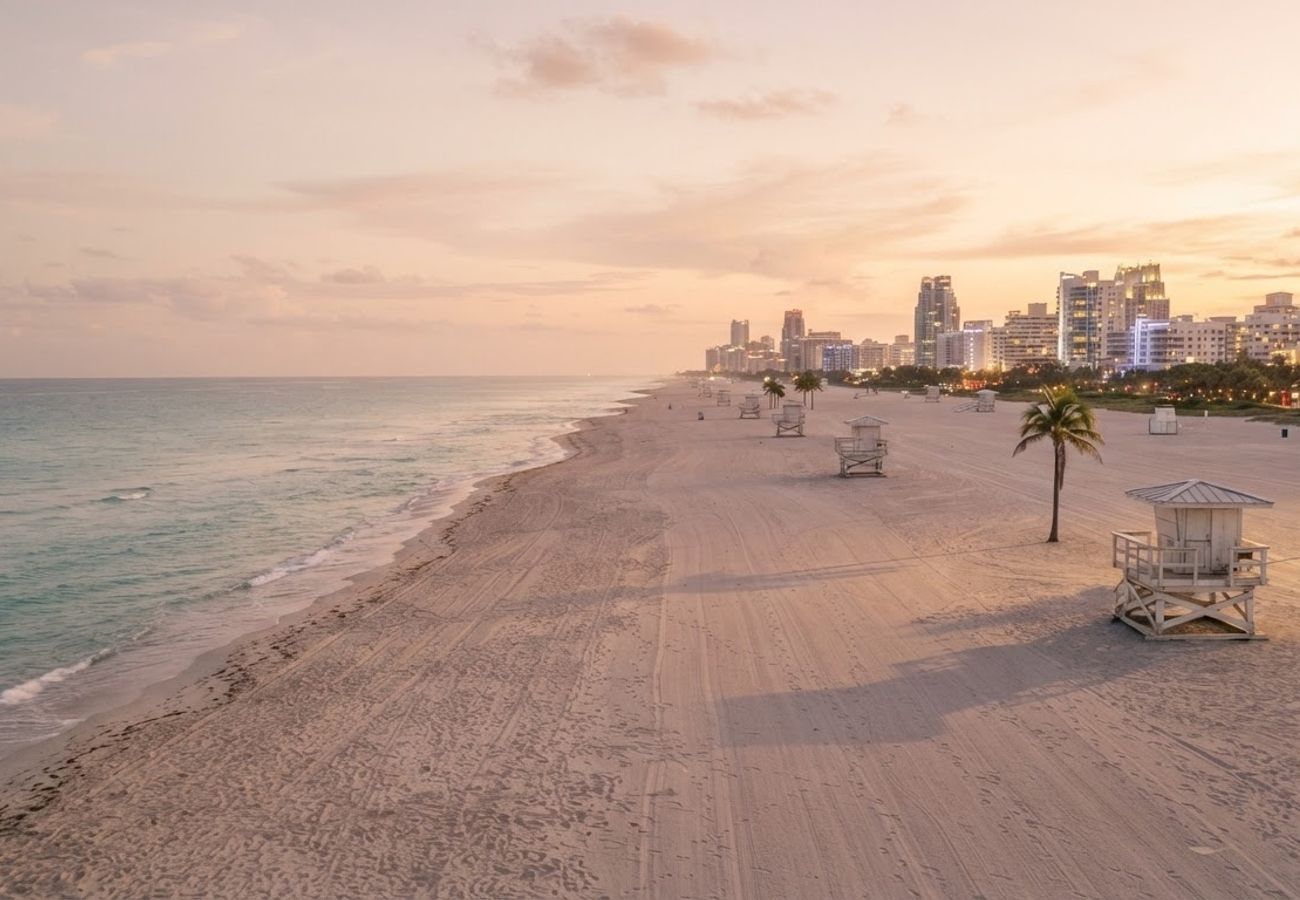
Image generated by AI
A 13.9% plunge in Canadian visitors during the first half of 2026 has triggered a cooling effect on Florida's tourism economy. Total visitor numbers dipped to 73.5 million, down from 74.5 million in the same period in 2025.
The Shift in North American Travel Patterns
Florida is experiencing a notable correction after several years of aggressive post-pandemic growth. Data from VISIT FLORIDA reveals a systemic decline in one of its most vital international demographics. While the overall drop in total visitors is a modest 1.4%, the specific collapse of the Canadian market—down 13.9%—is a significant red flag for the state's hospitality sector.
In the first half of 2026, Canadian arrivals fell to 1.68 million. This trend continued into the second quarter of 2026, where Florida welcomed 34.01 million total visitors (a 0.7% year-on-year decrease), with Canadian arrivals specifically reaching approximately 721,000, a 4.2% drop compared to the previous year.
The decline is not an isolated incident but part of a broader behavioral shift. Statistics Canada reports a general decrease in Canadian residents traveling to the United States. Travelers are increasingly diversifying their portfolios, opting for domestic Canadian destinations or pivoting toward Mexico, the Caribbean, and Europe.
Economic Pressures and Cultural Value
For the visitor, the decision to bypass the Sunshine State is driven by a combination of currency volatility and rising costs. The "Snowbird" phenomenon—where Canadians spend weeks or months in hubs like Orlando, Miami, Fort Lauderdale, Tampa Bay, and Southwest Florida—is under pressure from exchange rate challenges and inflated pricing for dining, lodging, and attractions.
The real impact for Florida is felt in the "spend-per-head" metric. International visitors typically maintain longer stays and higher average daily expenditures than domestic tourists. The loss of these long-term guests creates a ripple effect across:
- Seasonal Housing: A drop in demand for vacation rentals and long-term winter leases.
- Leisure Infrastructure: Reduced occupancy in golf resorts and cruise ports.
- Local Commerce: Lower foot traffic in shopping districts and restaurants that rely on the winter peak.
Despite this, the state's foundation remains stable. Domestic tourism continues to carry the bulk of the load, with 67.33 million domestic visits recorded in the first half of 2026. While this is slightly lower than 2025 levels, it keeps Florida's overall numbers above pre-pandemic benchmarks.
Visitor Insider Tips
For those still planning a trip to Florida amidst these shifting trends, navigating the state requires a more strategic approach to avoid the price hikes currently deterring international crowds.
- Timing the Visit: To avoid peak pricing, target the "shoulder seasons" (late April to June or October to early November). You will find significantly lower rates on luxury resorts in Miami and Orlando.
- Eco-Tourism Alternatives: Move beyond the theme parks. Explore the Florida Everglades or the Gulf Coast state parks. These areas offer a more authentic experience and often support local conservation efforts managed by regional environmental bodies.
- Dining Local: Avoid the high-cost tourist traps in International Drive (Orlando) or South Beach. Seek out "Old Florida" eateries in smaller coastal towns for better value and authentic regional cuisine.
- Transportation: Renting a car remains the most efficient way to see the state, but use off-site rental agencies away from Miami International (MIA) or Orlando International (MCO) to save on daily rates.
Tourism Outlook
The long-term trajectory for Florida depends on its ability to regain the trust and interest of the Canadian market. Industry analysts warn that once travelers establish new holiday customs—such as switching to European or Mexican destinations—they are unlikely to return to previous patterns immediately.
To counter this, Florida must pivot its marketing to address currency concerns and provide higher value-for-money packages. Maintaining strong ties with international airlines and tour operators will be the primary lever for recovery. While Florida remains a top-rated global destination in recent surveys, the 2026 data serves as a reminder that international loyalty is fragile in the face of economic instability.
The Sunshine State must now evolve its value proposition to lure back the northern crowds.
Related Travel Guides
Disclaimer
This article is for informational and educational purposes only. It does not constitute legal, financial, or professional advice. While we strive to provide accurate and up-to-date information, travel policies, regulations, and conditions change rapidly. Always verify information with official sources before making travel decisions. Nomad Lawyer makes no representations about the accuracy, reliability, completeness, or suitability of the information provided. Readers should consult qualified professionals for advice specific to their circumstances. The views expressed in this article are those of the author and do not necessarily reflect the views of Nomad Lawyer.
Raushan Kumar
Founder & Lead Developer
Full-stack developer with 11+ years of experience and a passionate traveller. Raushan built Nomad Lawyer from the ground up with a vision to create the best travel and law experience on the web.
Learn more about our team →