
Florida Hidden Tortugas: 19th-Century Fort Becomes Cruise Snorkeling Hub
Dry Tortugas National Park's Fort Jefferson transforms into 2026's premier snorkeling destination for cruise passengers. Historic 19th-century fort now attracts adventure travelers seeking pristine Gulf waters and marine biodiversity.

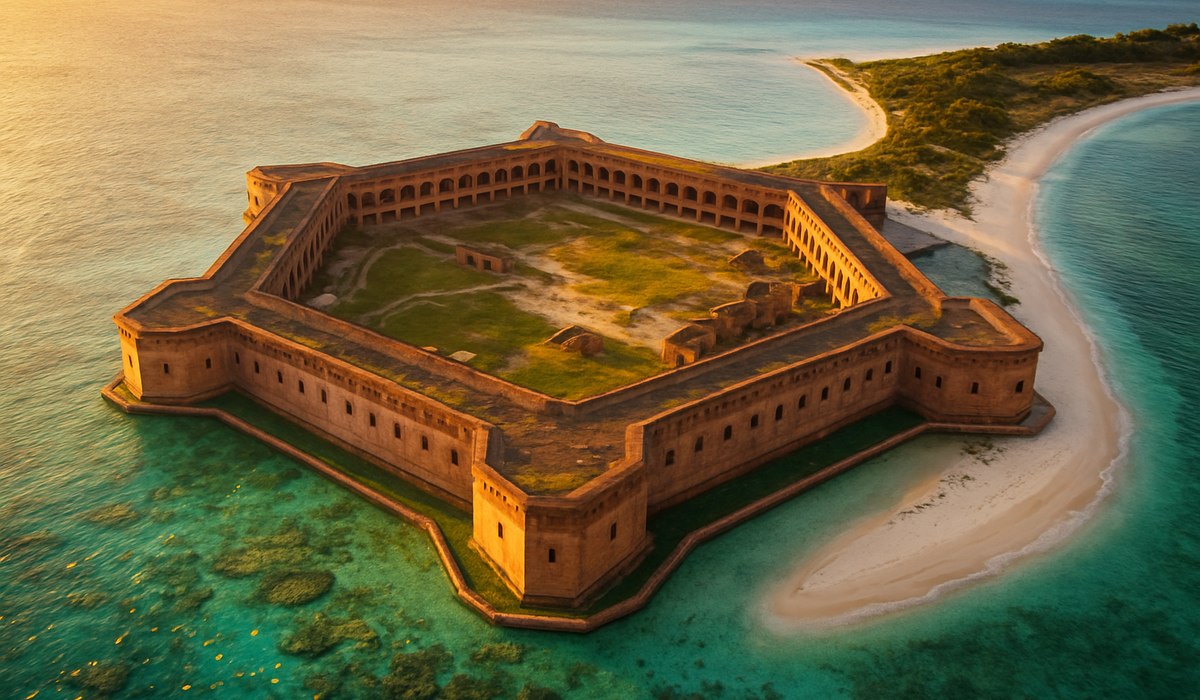
Image generated by AI
Lede
Fort Jefferson, nestled within Dry Tortugas National Park off Florida's Gulf Coast, has evolved from a once-thriving military installation into one of the Caribbean's most sought-after snorkeling destinations. This remote 19th-century hexagonal fortress now welcomes cruise passengers and independent travelers who venture 70 miles west of Key West to explore pristine coral gardens and vibrant marine ecosystems. In 2026, the Fort Jefferson snorkeling experience represents a rare convergence of American history and tropical adventure, attracting visitors aboard multiple cruise lines offering dedicated Dry Tortugas excursions.
Fort Jefferson: A Historic Gateway to the Gulf
Fort Jefferson began construction in 1846 as a federal military stronghold, designed to protect Gulf shipping lanes during the pre-Civil War era. This architectural marvel features 16-inch Rodman cannons, brick bastions, and 8-foot-tall walls that remain remarkably preserved despite 170+ years of salt spray and tropical weather. The fort once housed over 1,500 soldiers and served as a Union garrison during the American Civil War.
Today, the Florida hidden tortugas landscape tells a compelling story of strategic military importance transformed into ecological sanctuary. The fort grounds now host guided ranger tours, interactive exhibits, and historical markers explaining its fascinating past. Visitors can explore the gun emplacements, powder magazines, and barracks while learning about the soldiers who occupied this isolated outpost. The National Park Service maintains meticulous restoration efforts, ensuring this national treasure remains accessible for future generations.
More information about the fort's history is available through the National Park Service Dry Tortugas portal.
Snorkeling the Crystal Waters of Dry Tortugas
The waters surrounding Fort Jefferson deliver some of Florida's most spectacular snorkeling experiences. Colorful parrotfish, snapper, grouper, and amberjack patrol shallow coral formations just offshore from the historic fort. The park encompasses 64,700 acres of protected marine sanctuary, supporting diverse ecosystems ranging from hard coral reefs to seagrass meadows.
Visibility frequently exceeds 75 feet, offering unobstructed views of brain coral, elkhorn formations, and vibrant sponge communities. Tropical fish species flourish in these protected waters, creating an underwater landscape comparable to Caribbean destinations requiring expensive international travel. Snorkelers aged 6 to 80 report encountering sea turtles, eagle rays, and nurse sharks during peak spring and fall seasons.
The Florida hidden tortugas park designation prohibits commercial fishing, anchoring on reefs, and marine wildlife harassment, resulting in pristine conditions that rival dedicated marine reserves. Water temperatures range from 72°F in winter to 84°F in summer, requiring minimal wetsuits during most months. The park offers designated snorkeling areas with reef balls and educational markers explaining marine biology and conservation practices.
Getting There: Cruise and Ferry Options
Cruise lines operating from Fort Lauderdale, Miami, and Tampa frequently include Dry Tortugas excursions as full-day shore activities. Disney Cruise Line, Carnival, Royal Caribbean, and Norwegian Cruise Line partner with authorized ferry operators to transport guests directly to Fort Jefferson. Journey times range from 2.5 to 4 hours via modern passenger ferries equipped with onboard facilities.
The official Florida hidden tortugas park operates ferry service through Yankee Freedom III and associated carriers, departing from Key West harbor at dawn. These vessels accommodate 400+ passengers with air-conditioned cabins, full-service snack bars, and snorkeling equipment rental. Round-trip ferry fares average $189 per adult when booked independently, though cruise packages often include transportation as part of bundled excursions.
Private charter companies and small-group operators provide alternative access routes for travelers seeking personalized itineraries. Seaplane services from Key West deliver guests directly to the fort in 45 minutes, commanding premium pricing ($450–$650 per person) but eliminating multi-hour water crossings.
For current booking information and operational updates, visit Cruise Critic's comprehensive database.
Cruise Itinerary at a Glance
| Component | Details |
|---|---|
| Primary Destination | Fort Jefferson, Dry Tortugas National Park |
| Ferry Departure Port | Key West, Florida |
| Journey Duration | 2.5–4 hours each direction |
| Snorkeling Time Allotted | 3–4 hours at fort grounds |
| Maximum Daily Visitors | 300 per park regulations |
| Peak Season Months | March–May, September–November |
| Average Water Temperature | 72°F–84°F depending on season |
| Equipment Provided | Snorkels, masks, fins (rental additional) |
| Accessibility Features | Limited wheelchair access; ferry has ADA facilities |
| Historical Tours Available | Yes, guided ranger programs (30–60 minutes) |
Plan Your Visit: Practical Tips for Island Explorers
Successful Florida hidden tortugas adventures require advance preparation and realistic expectations. Bring prescription goggles if standard rental masks don't fit your face shape—visibility advantages disappear with uncomfortable equipment. Pack reef-safe sunscreen without oxybenzone or octinoxate, as these chemicals damage fragile coral systems.
Arrive at ferry docks 90 minutes before scheduled departure to complete security screening and safety briefings. Seasickness medication taken 30 minutes before departure significantly improves comfort during water crossings, particularly for motion-sensitive travelers. Secure underwater cameras with floating wrist straps, as equipment loss in 40-foot-deep water becomes irretrievable.
Hydration proves critical during full-day excursions—bring reusable water bottles refilled at onboard stations. The fort grounds offer minimal shade structures, making wide-brimmed hats and lightweight long-sleeve cover-ups essential for sun protection. Battery-powered underwater lights enhance twilight snorkeling experiences when larger pelagic species become more active.
Winter months (December–February) feature calmer seas but colder water temperatures requiring thicker wetsuits. Summer excursions risk afternoon thunderstorms, though modern forecasting typically allows schedule adjustments with advance notice.
What This Means for Travelers
The emergence of Florida hidden tortugas as a cruise-accessible snorkeling destination reshapes Caribbean travel planning for North American visitors:
-
Cost Efficiency: Snorkeling Fort Jefferson costs significantly less than Bahamas or Cozumel alternatives, with cruise packages ranging $199–$349 compared to $250–$500+ for Caribbean island excursions.
-
Historical Integration: Few marine destinations combine world-class snorkeling with legitimate Civil War-era archaeology and military architecture, creating multimedia educational experiences for families.
-
Environmental Consciousness: Protected marine sanctuary status ensures sustainable tourism practices, appealing to eco-conscious cruise passengers concerned about reef degradation.
-
Accessibility Timeline: Half-day shore excursions from Key West homeports mean cruise passengers can experience Dry Tortugas without sacrificing port-of-call variety, unlike full-day western Caribbean cruises.
-
Seasonal Reliability: Predictable Gulf Stream weather patterns and annual marine conditions allow confident multi-month advance booking, unlike weather-dependent Atlantic hurricane corridor ports.
FAQ
What is the best time of year to snorkel at Fort Jefferson?
March through May and September through November offer optimal conditions with calm seas, excellent visibility (75+ feet), and moderate water temperatures. Summer months feature warmer water but increased thunderstorm risks, while winter provides calm conditions with chillier
Disclaimer
This article is for informational and educational purposes only. It does not constitute legal, financial, or professional advice. While we strive to provide accurate and up-to-date information, travel policies, regulations, and conditions change rapidly. Always verify information with official sources before making travel decisions. Nomad Lawyer makes no representations about the accuracy, reliability, completeness, or suitability of the information provided. Readers should consult qualified professionals for advice specific to their circumstances. The views expressed in this article are those of the author and do not necessarily reflect the views of Nomad Lawyer.
Kunal K Choudhary
Co-Founder & Contributor
A passionate traveller and tech enthusiast. Kunal contributes to the vision and growth of Nomad Lawyer, bringing fresh perspectives and driving the community forward.
Learn more about our team →