
Flight Gridlock Strands Tens of Thousands During Easter Storm Surge
Over 100,000 U.S. travelers stranded as spring storms collide with Easter travel demand, exposing systemic airline network vulnerabilities and overwhelming stretched capacity across major hubs.

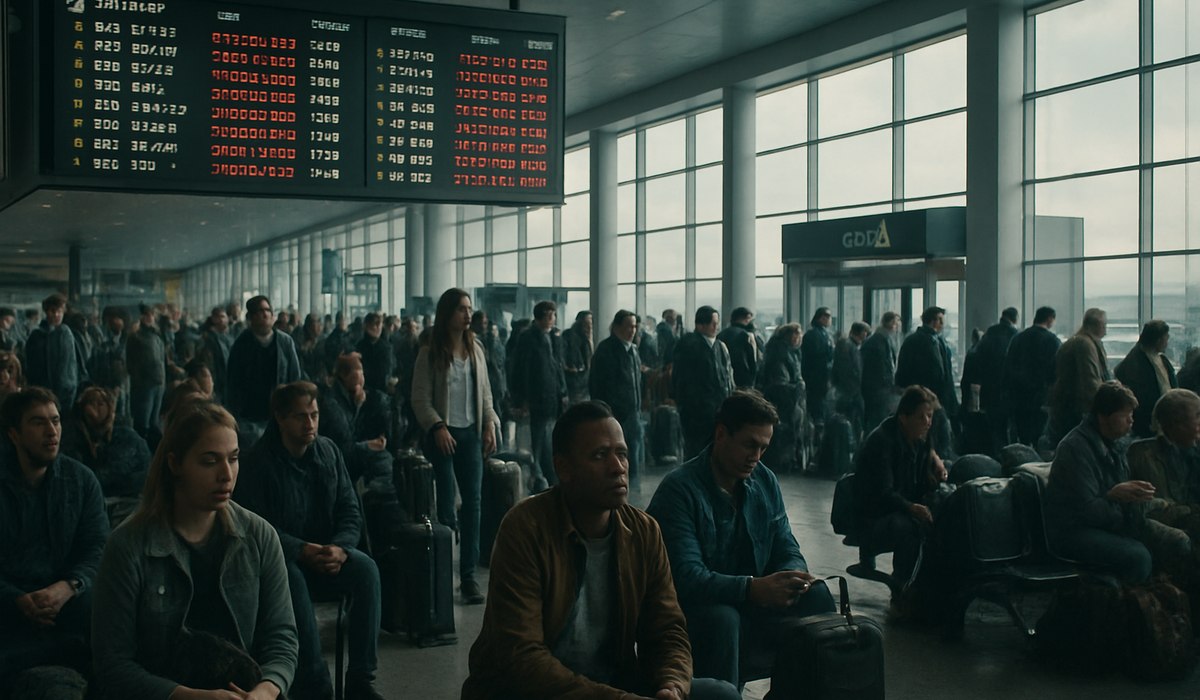
Image generated by AI
Over 100,000 Travelers Stranded as Flight Gridlock Strands Networks Nationwide
The U.S. aviation system faced a perfect storm during Easter week 2026, as converging spring weather systems collided with peak holiday travel demand, leaving more than 100,000 passengers stranded, delayed, or rebooked across the country. Between April 2 and April 6, major airport hubs from New York LaGuardia and Boston Logan to Chicago O'Hare, Atlanta Hartsfield-Jackson, and Dallas-Fort Worth reported cascading disruptions, with some days recording over 6,000 delayed departures nationwide. Flight gridlock strands passengers for extended periods as the combination of thunderstorms, high winds, fog, and reduced runway capacity exposed critical vulnerabilities in an already tightly stretched airline network operating near maximum capacity.
Storm Systems Collide With Holiday Crowds
Spring weather patterns swept across the continental U.S. precisely when Easter travel peaked, creating ideal conditions for widespread disruption. Embedded thunderstorms, wind shear, and low cloud ceilings forced temporary ground stops at critical hub airports, reducing departure rates by 30–40% during peak morning and evening waves. At New York's LaGuardia Airport, April 5 fog and convective storms triggered rolling ground stops that cascaded through the entire day's schedule, affecting onward connections hundreds of miles away.
Flight-tracking data accessible via FlightAware documented the scope: thousands of cancellations, delays averaging 2+ hours, and aircraft increasingly out of position for subsequent legs. The Easter travel window—typically one of the year's busiest five-day periods—amplified impact as rebooking options disappeared rapidly. Families, business travelers, and nomadic professionals alike found themselves competing for limited alternative flights, often with waits extending multiple days for popular routes.
Scale of Disruption Reveals Network Strain Beyond Weather
The gridlock severity underscores a fundamental structural issue: modern U.S. airlines operate with minimal schedule slack. Aircraft load factors exceeded 85% across most carriers entering April, meaning few spare seats or backup aircraft existed to accommodate disrupted passengers. When storms forced even temporary slowdowns at major hubs, knock-on effects spread exponentially through the network.
Crew duty-time regulations became a secondary constraint. Once flights were delayed beyond their scheduled blocks, pilots and flight attendants approached legal maximum duty hours, preventing departure until crews rested. This situation cascaded: late-arriving aircraft from one leg couldn't make their next scheduled departure, maintenance checks slipped, and ground handlers became overwhelmed. Airlines lacking adequate staffing reserves couldn't absorb these compounding delays. According to FAA guidance and industry reports, the interdependency of hub-and-spoke operations means localized weather impacts become nationwide gridlock within hours.
Impact on Nomadic and Remote Workers
Digital nomads and location-independent professionals faced particular hardship during the flight gridlock crisis. Many had booked Easter travel to visit family, attend conferences, or transition between work bases—commitments with fixed dates that couldn't be rescheduled. Stranded travelers faced not only airline rebooking challenges but also accommodation disruptions, missed client meetings across time zones, and interrupted work schedules for those relying on consistent internet and office space.
Travelers stuck at hub airports often found hotel availability exhausted within hours, forcing multi-night terminal stays. Remote workers without adequate airport wifi struggled to maintain productivity, while those dependent on specific international connections risked missing visa-sensitive windows or booked accommodations. The ripple effects extended beyond the Easter period itself, as cascading cancellations created backlog throughout the following week. Digital nomads using budget airlines for repositioning found rebooking costs prohibitive, sometimes exceeding original ticket prices by 300%+.
What Travelers Can Do Now
Immediate actions help travelers navigate ongoing disruption and recover costs. Check real-time flight status using FlightAware before heading to airports, monitor airline notifications closely, and contact customer service proactively rather than waiting in terminal queues. Document all delays, cancellations, and expenses for compensation claims.
Under U.S. Department of Transportation rules, carriers must rebook passengers on alternative flights at no additional cost when cancellations result from airline scheduling decisions (rather than pure weather). International passengers may qualify for EU261-equivalent compensation under certain conditions. Retain receipts for meals, hotels, ground transport, and rebooking fees incurred due to airline-caused disruptions. File complaints with the U.S. DOT Aviation Consumer Protection Division if airlines deny reasonable accommodations or compensation.
Traveler Action Checklist
- Check flight status on FlightAware or your airline's app before traveling
- Enable push notifications from your airline for real-time delay/cancellation alerts
- Screenshot and save all delays, cancellations, and rebooking confirmations for documentation
- Request written confirmation of cancellation reasons (weather, mechanical, crew, etc.) from your airline
- Document all receipts: hotels, meals, ground transportation, rebooking fees for compensation claims
- File DOT complaints within 60 days of disruption at transportation.gov/airconsumer
- Review your travel insurance policy for coverage of airline-caused delays exceeding 12+ hours
- Consider booking connections with 3+ hour layovers during peak travel periods to absorb delays
- Contact your airline's customer relations team in writing within 14 days to formalize compensation requests
- Track FAA real-time flight delay information for airport-specific congestion patterns
Key Disruption Data: April 2–6, 2026
| Metric | Value | Impact |
|---|---|---|
| Total Passengers Stranded | 100,000+ | Extended delays, overnight terminal stays |
| Peak Daily Delays | 6,000+ departures | Cascading cancellations through network |
| LaGuardia Ground Stop Duration | 4+ hours | Ripple effects lasted 36+ hours |
| Average Delay Duration | 2–4 hours | Missed connections, rebooking backlogs |
| Cancellations (April 2–6) | Several thousand | Limited alternative flight availability |
| Major Affected Hubs | 5+ airports | New York, Boston, Chicago, Atlanta, Dallas |
| Typical Rebooking Wait | 2–7 days | Limited seat availability on popular routes |
What This Means for Travelers
The Easter 2026 flight gridlock crisis reveals systemic capacity constraints that will persist through summer peak season. Airlines have signaled no major fleet additions or staffing expansions planned before July, meaning similar convergence events could trigger comparable disruption. Travelers should expect tighter schedules, higher cancellation volatility during severe weather, and longer rebooking delays during peak windows (Easter, Thanksgiving, Christmas, summer school breaks).
Build extra buffer time into itineraries during peak travel periods—aim for 3+ hour connections and early-morning departures to minimize cascading delay exposure. Consider flexible ticket options or travel insurance that covers airline-caused delays. Monitor weather forecasts 10+ days before travel, watching for severe spring storm systems that trigger the gridlock conditions experienced in early April. Remote workers and digital nomads should avoid booking critical connections during peak holiday periods when network utilization exceeds 85%. Finally, understand your rights: document everything, retain all receipts, and file DOT complaints for airline-caused disruptions, as compensation processes often require formal documentation.
Frequently Asked Questions
Q: Am I entitled to compensation for weather-related flight cancellations? A: Pure weather events typically exempt airlines from legal compensation obligations under U.
Disclaimer
This article is for informational and educational purposes only. It does not constitute legal, financial, or professional advice. While we strive to provide accurate and up-to-date information, travel policies, regulations, and conditions change rapidly. Always verify information with official sources before making travel decisions. Nomad Lawyer makes no representations about the accuracy, reliability, completeness, or suitability of the information provided. Readers should consult qualified professionals for advice specific to their circumstances. The views expressed in this article are those of the author and do not necessarily reflect the views of Nomad Lawyer.
Preeti Gunjan
Contributor & Community Manager
A passionate traveller and community builder. Preeti helps grow the Nomad Lawyer community, fostering engagement and bringing the reader experience to life.
Learn more about our team →