
Flight Disruptions Snarl Keflavik Airport Departures on April 7
Flight disruptions snarl Keflavik Airport on April 7, 2026, as 27 delays and 5 cancellations disrupted transatlantic and European routes. Ongoing weather challenges strain Iceland's primary international gateway.

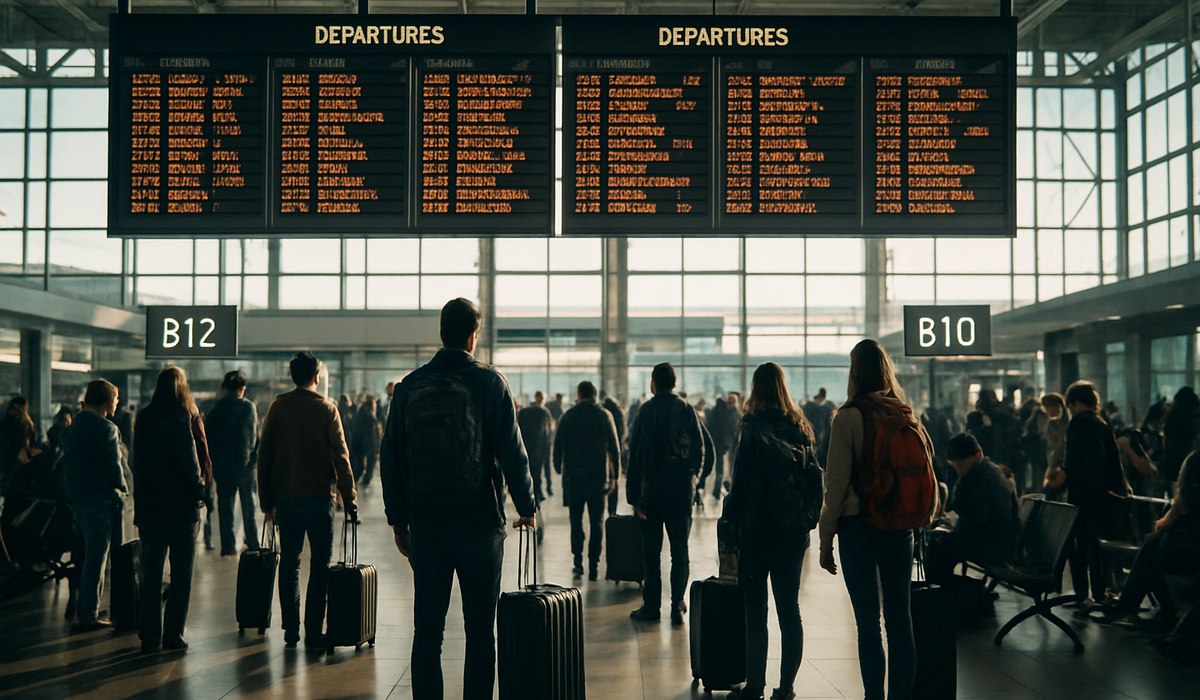
Image generated by AI
Keflavik Airport Faces Major Schedule Disruptions
Keflavik International Airport experienced significant operational strain on April 7, 2026, when flight disruptions snarl cascaded across its departure schedule. Twenty-seven flights encountered delays while five additional services faced outright cancellations, affecting multiple carriers and routes spanning North America and Europe. The incident underscores mounting pressure on Iceland's primary international aviation gateway as severe weather continues to complicate operations across the Nordic region.
Disruptions Continue at Iceland's Primary Gateway
The April 7 disruptions represent the latest chapter in a prolonged period of operational challenges at Keflavik. Since late March, recurring storm systems have periodically forced schedule changes and cancellations, taxing both airport infrastructure and airline capacity. Flight disruptions snarl has become an increasingly familiar headline across Icelandic aviation, with Keflavik consistently appearing among Europe's most affected hubs during adverse weather windows.
The cumulative effect extends far beyond a single day's inconvenience. Passengers holding bookings through Keflavik face compounding uncertainty as weather patterns remain unpredictable. Airlines including Icelandair, easyJet, and Wizz Air have all reported schedule adjustments. Industry observers note that while 27 delays may seem modest compared to earlier peaks, the persistence of disruptions signals systemic stress on airport resources, ground personnel availability, and aircraft positioning schedules.
Weeks of Weather Turmoil Strain Operations
Iceland's aviation sector has endured exceptional operational pressure since late March 2026. Multiple storm systems swept across the North Atlantic, bringing wind speeds exceeding safe operating thresholds for several days consecutively. Early April brought temporary respite, yet atmospheric conditions remained marginal throughout the week, keeping flight disruptions snarl a persistent operational reality.
Airport status reports and airline notices confirm that weather remains the primary driver of delays, compounded by secondary factors including air traffic control capacity constraints and congested departure windows. When airspace becomes saturated—particularly during narrow weather windows when multiple flights attempt simultaneous departure—cascading delays become inevitable. Ground crews working extended shifts during this period have managed equipment turnarounds with minimal margin for error, meaning even minor weather delays propagate rapidly through daily schedules.
Keflavik's role as a transatlantic connector amplifies the impact. North Atlantic routes require careful fuel and weather planning, and any ground delay of 30 minutes or more can trigger fuel recomputation, crew duty-time constraints, and schedule ripple effects extending across subsequent rotations.
Contributing Factors: Weather, ATC, and Congestion
Three primary forces converged on April 7 to create the environment for flight disruptions snarl at Keflavik. First, residual weather patterns brought cloud ceilings and wind gusts that approached or exceeded airline minimums. While not severe enough to close the airport entirely, marginal conditions forced speed restrictions, longer separation requirements between aircraft, and occasional go-around procedures that consumed fuel and extended block times.
Second, air traffic control capacity constraints limited the number of simultaneous movements Keflavik could accommodate. Reduced departure frequency meant backlogs formed quickly once delays began accumulating. European ATC data suggests that broader congestion across North Atlantic airways contributed additional sequencing delays for westbound transatlantic departures.
Third, Keflavik's schedule density left minimal slack for recovery. Unlike larger hubs with broader aircraft positioning flexibility, Icelandair's tight utilization of its Keflavik-based fleet meant that cascading delays in the morning window compressed afternoon and evening operations. Low-cost carriers operating point-to-point services from Keflavik face similar constraints, with each delayed aircraft affecting multiple subsequent sectors.
Consult FlightAware for real-time tracking data and historical disruption patterns at Keflavik during this period.
Impact on Transatlantic and European Routes
The April 7 flight disruptions snarl affected passengers across multiple route networks. Transatlantic services to the United States bore particular impact, as Icelandair and partner carriers operate the bulk of North Atlantic capacity through Keflavik. Delays to Boston, New York, and Washington affected not only direct passenger connections but also downstream departures scheduled within tight minimum connection windows.
European routes to the United Kingdom, Germany, and Scandinavia—particularly Finland—also experienced schedule degradation. These markets depend heavily on Keflavik as either a primary destination hub or a strategic transit point for North American-bound passengers. When Keflavik's schedule deteriorates, European carriers lose the ability to onward-connect arriving transatlantic passengers efficiently.
Business travelers and tourists with confirmed bookings faced unpredictable rebooking scenarios. Airlines offered accommodation where required by regulation, but limited alternative capacity on the same day forced many passengers to accept rebooking for subsequent days or onto competing carriers. The cascading nature of flight disruptions snarl meant that resolving the April 7 disruptions absorbed airport operational focus through April 8 and 9.
For additional passenger rights information, review guidelines from the U.S. Department of Transportation and consult your airline's schedule recovery plan.
Real-Time Flight Status and Tracking
Passengers monitoring their connections through Keflavik should use FlightAware for live departure and arrival status updates. Airport departure boards at Keflavik reflected the disruptions within minutes of occurrence, though notification delays sometimes affected airline communication systems.
The airport's official status page and participating airlines' mobile applications provided the most accurate information during the April 7 incident. Passengers unable to reach airline telephone reservations faced lengthy wait times, making digital tracking tools the fastest way to confirm schedule changes.
Traveler Action Checklist
If your flight was affected by the April 7 disruptions at Keflavik, or if you have upcoming bookings through Iceland's primary airport during this disruptive period, follow these actionable steps:
-
Check your flight status immediately using FlightAware or your airline's official app; do not rely on email notifications alone as these often lag actual schedule changes.
-
Contact your airline directly via phone or chat before seeking rebooked alternatives; you may qualify for priority rebooking, accommodation, or compensation under EU261 or comparable regulations.
-
Verify minimum connection times if you hold a connecting itinerary through Keflavik; airlines may proactively reroute passengers with insufficient buffer time.
-
Request written confirmation of any schedule changes, rebooking, or compensation eligibility; screenshot or save all correspondence with your airline.
-
Document all disruption-related expenses including meals, accommodation, and ground transportation; retain receipts for reimbursement claims if applicable under passenger rights regulations.
-
Check your airline's force majeure policy regarding weather-related cancellations; while weather typically exempts airlines from compensation requirements, airline-caused disruptions warrant different treatment.
-
Monitor forecasts for upcoming travel dates via Iceland weather services to anticipate potential secondary disruptions before your departure.
FAQ
Q: Does my airline owe compensation if my flight was delayed by weather at Keflavik?
A: Under EU261 and similar regulations, extraordinary weather conditions typically exempt airlines from paying compensation. However, airlines must still provide rebooking, meals, accommodation, and communication. Verify your specific airline's policy, as some offer goodwill compensation despite regulatory exemptions. Review the U.S. Department of Transportation guidelines for American-operated flights.
Q: Will April 8-9 flights at Keflavik face similar disruptions?
A: Weather forecasts for April 8-9 showed gradually improving conditions, though lingering congestion from April 7 may affect morning departures. Monitor
Disclaimer
This article is for informational and educational purposes only. It does not constitute legal, financial, or professional advice. While we strive to provide accurate and up-to-date information, travel policies, regulations, and conditions change rapidly. Always verify information with official sources before making travel decisions. Nomad Lawyer makes no representations about the accuracy, reliability, completeness, or suitability of the information provided. Readers should consult qualified professionals for advice specific to their circumstances. The views expressed in this article are those of the author and do not necessarily reflect the views of Nomad Lawyer.
Preeti Gunjan
Contributor & Community Manager
A passionate traveller and community builder. Preeti helps grow the Nomad Lawyer community, fostering engagement and bringing the reader experience to life.
Learn more about our team →