
Flight Disruptions Rules Reshape SFO Arrivals on April 9, 2026
New [FAA](https://www.faa.gov) flight disruptions rules severely limited arrival capacity at San Francisco International Airport on April 9, 2026, causing 144 delays and nine cancellations affecting major North American and European carriers.

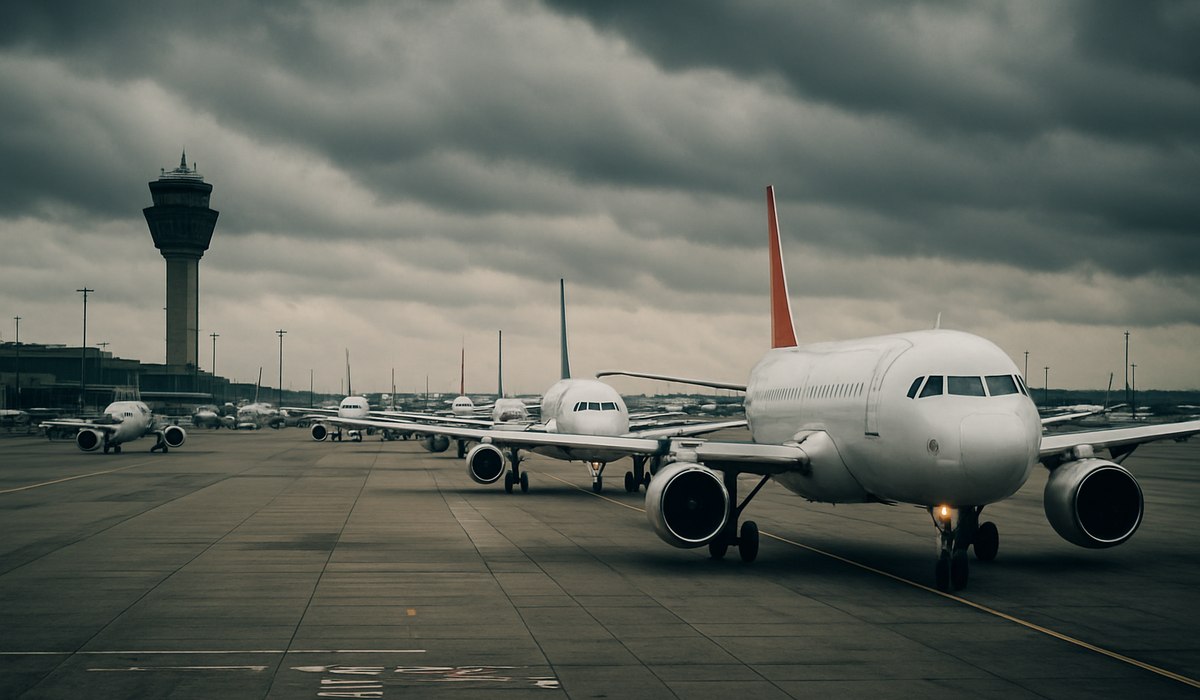
Image generated by AI
SFO Grinds to a Halt: New FAA Rules Create Cascading Flight Disruptions
San Francisco International Airport experienced unprecedented operational strain on April 9, 2026, when newly implemented Federal Aviation Administration restrictions on arrival procedures triggered 144 flight delays and nine cancellations across major carriers. The disruptions affected approximately 18,000+ passengers traveling on domestic and international routes, with delays cascading through connected hubs in Los Angeles, Portland, Munich, Toronto, and Vancouver. Delta Air Lines, United Airlines, Alaska Airlines, Lufthansa, and Air Canada bore the brunt of the impact, reporting extended ground holds and compressed turnaround windows that compromised same-day connections.
New FAA Rules Tighten SFO Arrival Capacity
The Federal Aviation Administration introduced restrictive landing protocols at San Francisco designed to limit simultaneous approach configurations during peak arrival banks. These measures reduce the airport's concurrent landing capacity below historical norms, particularly during morning and evening departure banks when airlines schedule dense waves of inbound traffic. Even modest reductions in arrival throughput create disproportionate disruption when airline schedules rely on tight connection windows and limited recovery periods.
Industry analysis indicates the new flight disruptions rules will persist beyond April 9. Travel analysts warn that San Francisco faces chronic bottlenecks during high-demand periods and adverse weather. The April 9 statistics—144 delays concentrated at a single facility within 24 hours—validate forecasts published by aviation monitoring services before the restrictions took effect. Passengers should anticipate more fragile operating conditions at this Bay Area hub moving forward.
Major Carriers Scramble as Delays Cascade Across Domestic and International Routes
Delta, United, and Alaska Airlines—which control substantial passenger volumes at SFO—experienced rolling departure delays that compressed equipment turnaround windows and forced crew scheduling adjustments. Aircraft arriving late from previous rotations extended ground times, creating ripple effects across subsequent flight legs. United's hub operations in San Francisco proved particularly vulnerable, with missed downstream connections forcing rebooking onto alternative carriers and later departures.
International carriers faced steeper challenges. Lufthansa's Munich transatlantic service experienced late departures from SFO, jeopardizing same-day connections at Frankfurt and Munich hubs. Air Canada's Toronto flights missed tight connection banks, leaving passengers stranded overnight in San Francisco with limited hotel availability. These cascading effects exposed how tightly integrated North American and European airline networks have become—a single airport's constraint now ripples across two continents within hours.
Missed Connections Leave Long-Haul Passengers Stranded
Passengers booked on connecting flights experienced the most severe disruption. A Lufthansa passenger scheduled to connect in Munich for Berlin reported a five-hour ground delay at SFO followed by rerouting via Frankfurt, arriving 14 hours late. Air Canada passengers missed Toronto-bound connections by 7–12 minutes, forcing overnight stays and rebooking on flights with no available premium cabin inventory.
Domestic networks suffered similarly. United passengers connecting through SFO to Denver and Chicago faced rebooking onto flights departing 3–8 hours later. Alaska Airlines' Portland connections compressed to fewer than 30 minutes, creating vulnerability to minor delays. The compressed recovery windows left no buffer for operational irregularities.
Travel rights advocates emphasize that passengers entitled to compensation under US Department of Transportation regulations should file claims, yet many remain unaware of eligibility criteria or documentation requirements. Monitoring tools like FlightAware provided real-time delay visibility, but passenger communication from airlines remained inconsistent throughout April 9.
Broader Strain Across North American and European Hubs
The April 9 disruptions at SFO occurred within a broader context of operational volatility spanning North America and Europe. Recent storm systems and capacity constraints had previously generated elevated delay figures at Canadian airports and major European hubs, according to travel rights organizations tracking daily disruption patterns. Displaced aircraft and crew from earlier disruptions traveled through multiple rotations, extending knock-on effects across regions.
When aircraft or crews complete disrupted duty sequences in one region, downstream impacts manifest at distant airports like San Francisco—particularly on long-haul rotations spanning multiple time zones. Lufthansa and Air Canada, whose SFO flights feed tight connection banks in Munich, Frankfurt, Toronto, and Vancouver, face compounded pressure. Carriers like Delta, United, and Alaska experience similar challenges when hub disruptions propagate outward.
Traveler Action Checklist
If your flight was disrupted on April 9 or thereafter at SFO:
- Document your delay or cancellation with time stamps and flight numbers from your confirmation email and boarding passes.
- Check FlightAware and your airline's app for real-time status before heading to the airport.
- Contact your airline's customer service immediately if disrupted; request written confirmation of delays exceeding three hours.
- Review US DOT compensation eligibility at transportation.gov/airconsumer for flights delayed 3+ hours arriving late.
- File a complaint with the US Department of Transportation if your carrier denies compensation you believe you deserve.
- Request hotel reimbursement for unplanned overnight stays due to missed connections.
- Photograph all receipts for meals, ground transportation, and lodging incurred due to disruptions.
Flight Disruptions Rules: Key Data Summary
| Metric | Details |
|---|---|
| Total Delays | 144 flights delayed on April 9, 2026 |
| Cancellations | 9 flights canceled system-wide |
| Primary Airport | San Francisco International (SFO) |
| Passengers Affected | Approximately 18,000+ |
| Affected Carriers | Delta, United, Alaska, Lufthansa, Air Canada, others |
| Affected Routes | SFO–LAX, SFO–PDX, SFO–MUC, SFO–YYZ, SFO–YVR, transatlantic service |
| Root Cause | FAA arrival capacity restrictions on simultaneous approach procedures |
| Expected Duration | Ongoing as new rules remain in effect |
What This Means for Travelers
The new flight disruptions rules at SFO signal a structural shift in Bay Area aviation operations. Passengers should expect slower, less predictable arrivals and tighter margins for connections. Book connections with 2+ hour buffers when transiting SFO, particularly for international flights.
Airlines will likely adjust scheduling to accommodate the reduced capacity, potentially shifting peak departure times or reducing daily frequency on marginal routes. Travelers planning future trips through San Francisco should monitor FAA announcements and airline schedule adjustments for their specific routing.
Compensation eligibility remains unchanged under DOT regulations: passengers on flights delayed 3+ hours upon arrival qualify for $400–$750 compensation depending on flight distance, provided the carrier caused the delay and no extraordinary circumstances apply. Document all delays and maintain receipts for reimbursable expenses. Airlines bear responsibility for providing meal vouchers and hotel accommodations for multi-hour disruptions.
FAQ: Flight Disruptions Rules at SFO
Q: Are the FAA's new SFO arrival restrictions permanent?
The FAA typically implements safety-related arrival restrictions as long-term operational modifications rather than temporary measures. However, restrictions may be modified or lifted following infrastructure improvements or procedural refinements. Monitor FAA notices and your airline's schedule for updates on expected duration.
Q: Am I entitled to compensation for an April 9 delay at SFO?
Yes, if your flight was delayed 3+ hours upon arrival and the delay resulted from airline or FAA operational factors (not weather or extraordinary circumstances). File a claim with your carrier's customer relations department, providing flight confirmation, boarding pass, and delay documentation.
**Q: How should I adjust my travel plans
Disclaimer
This article is for informational and educational purposes only. It does not constitute legal, financial, or professional advice. While we strive to provide accurate and up-to-date information, travel policies, regulations, and conditions change rapidly. Always verify information with official sources before making travel decisions. Nomad Lawyer makes no representations about the accuracy, reliability, completeness, or suitability of the information provided. Readers should consult qualified professionals for advice specific to their circumstances. The views expressed in this article are those of the author and do not necessarily reflect the views of Nomad Lawyer.
Raushan Kumar
Founder & Lead Developer
Full-stack developer with 11+ years of experience and a passionate traveller. Raushan built Nomad Lawyer from the ground up with a vision to create the best travel and law experience on the web.
Learn more about our team →