
Flight Disruptions Paris April 2026: ATC Strikes Meet EU Border Checks
Over 100 flights face delays and cancellations at Paris and Nice airports as air traffic control strikes collide with new EU Entry/Exit System border checks in April 2026, disrupting travel across France.

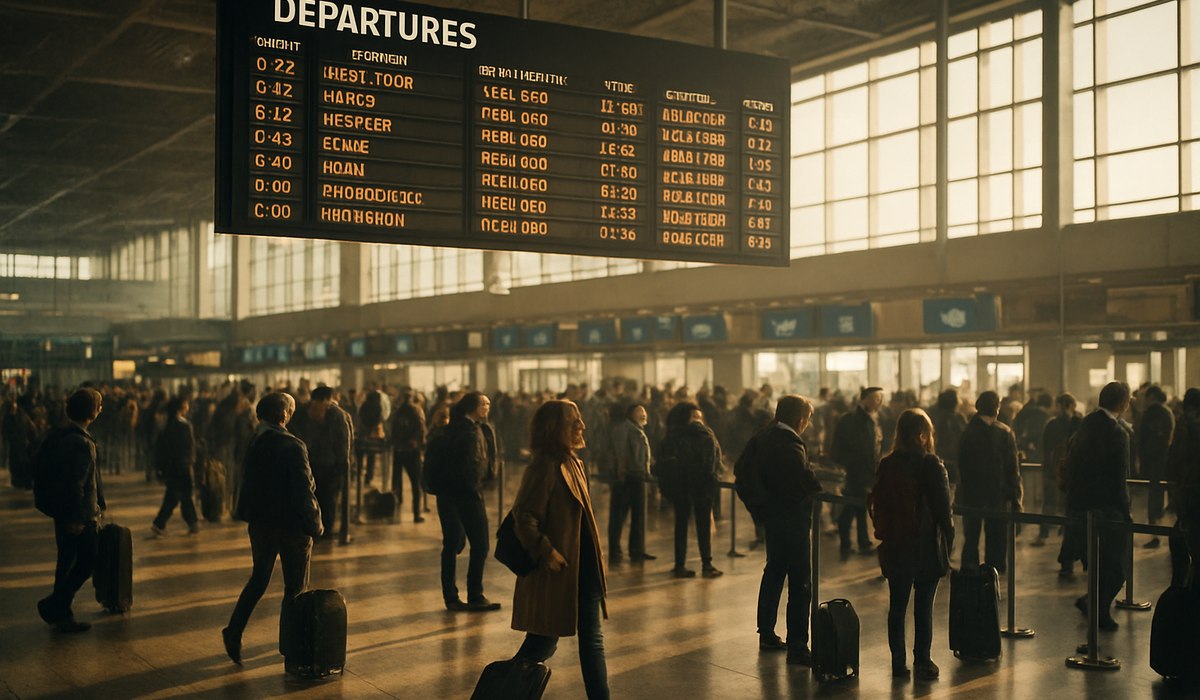
Image generated by AI
French Airports Overwhelmed: Flight Disruptions Paris Peaks Amid Multiple Crises
Paris Charles de Gaulle, Paris Orly, and Nice Côte d'Azur airports are grappling with unprecedented operational strain as over 100 flights experience delays and cancellations throughout April 2026. The cascading crisis stems from two simultaneous events: air traffic control (ATC) strikes across French airspace and the phased rollout of the European Union's new Entry/Exit System for non-EU travelers. Together, these factors have created a perfect storm affecting major European carriers, leisure airlines, and thousands of passengers seeking to transit through France's busiest travel hubs during peak spring season.
Strikes and System Changes Collide Across French Skies
The primary catalyst for flight disruptions Paris is experiencing originates from sustained labor action by French air traffic controllers. Union-led strikes have significantly reduced capacity throughout French airspace, forcing airlines to trim schedules and implement extended holding patterns. This bottleneck ripples across both major Paris airports and critical regional hubs like Nice.
Simultaneously, the EU Entry/Exit System launched on April 10, 2026, introducing mandatory biometric screening for non-EU nationals. Airport officials and industry analysts previously warned that these enhanced border procedures would lengthen passenger processing times, particularly during peak hours. The timing proves catastrophic—combining reduced air traffic capacity with increased border processing creates compounding delays that cascade throughout the day.
Data from flight-tracking services confirm that even minor technical issues or weather delays now trigger widespread schedule disruptions. Morning delays frequently extend into evening operations, affecting hundreds of downstream connections and forcing airlines into emergency rebooking protocols.
Paris Charles de Gaulle and Orly Hit Hardest
Paris Charles de Gaulle (CDG), Europe's second-busiest airport, recorded more than 190 delays across a single 24-hour period during early April. The facility hosts major bases for Air France and numerous international carriers dependent on French airspace access. Runway sequencing challenges, combined with reduced ATC capacity, have created severe bottlenecks for departing and arriving international flights.
Paris Orly, traditionally handling leisure and short-haul operations, faces equally severe strain. Despite transitioning toward low-cost carrier operations, the airport's delay statistics rival CDG. Reduced runway availability during peak periods means aircraft frequently experience multi-hour ground holds before securing departure slots.
Connecting passengers face particular hardship—tight minimum connection times between CDG and Orly transfers have become impossible to maintain. Airlines report rerouting significant passenger volumes through alternative European hubs including Amsterdam, Frankfurt, and Munich to avoid Paris entirely.
For real-time flight status updates, travelers should consult FlightAware, which provides detailed delay information and estimated landing times across affected airports.
New EU Entry/Exit System Adds Border Processing Delays
The EU Entry/Exit System represents the most significant border change in two decades, requiring all non-EU nationals to complete biometric enrollment at entry points. While mandatory for security purposes, the system adds 5-15 minutes per passenger during peak periods.
Nice Côte d'Azur, serving primarily leisure travelers from North America and international destinations, experiences acute pressure. Spring season typically sees expanding frequencies as European airlines add summer schedule capacity. This year's dense Nice schedules collide directly with the new border processing bottleneck, creating rolling delays throughout daily operations.
Aircraft arriving late from northern Europe frequently depart late on subsequent sectors, extending delay chains throughout the day. Industry monitoring services document instances where single-aircraft delays trigger six or more downstream flight impacts.
Paris Airports and Nice Operations: Route Impact Assessment
The Paris-Nice corridor particularly suffers from compounding disruptions. Major carriers including Air France, easyJet, and Ryanair operate multiple daily frequencies on this route. Disruptions to northbound flights from Nice delay southbound operations the following day, creating bidirectional delay patterns.
Domestic connectivity between Paris and regional French airports (Lyon, Marseille, Bordeaux) also faces extended delays. The ATC strike affects not just Paris operations but entire French airspace routing, forcing airlines to accept longer flight times and reduced scheduling flexibility across the network.
International long-haul operators at CDG report particular frustration—transatlantic and long-distance Asian flights require strict slot discipline due to nighttime flight restrictions and fuel planning constraints. Delays of 2-3 hours at departure cascading to arrival airports in New York, Los Angeles, or Tokyo create operational nightmares for airlines trying to maintain schedule integrity.
What Travelers Should Expect and How to Plan
Passengers traveling through Paris or Nice in April 2026 should anticipate 1-3 hour delays as baseline expectations. Border processing alone adds 10-15 minutes, while ATC delays compound this baseline by hours on disrupted days.
Airlines have implemented emergency protocols: voluntary flight consolidations, selective cancellations protecting long-haul operations, and aggressive rebooking onto alternative carriers and routing. Passengers should expect longer hold times at airline customer service desks and should prepare for possible involuntary rebooking.
Travel insurance becomes especially valuable during this period—comprehensive coverage protecting against delay-related hotel costs, meal expenses, and missed connection fees provides critical financial protection. Travelers should review airline disruption policies before booking and monitor US DOT airline consumer resources for passenger rights information.
Traveler Action Checklist
- Check your flight status daily via FlightAware or your airline's app, starting 72 hours before departure
- Arrive 4 hours early for international flights and 3 hours for EU connections through Paris or Nice
- Book connecting flights with minimum 3-hour layovers rather than standard 90-minute connections
- Confirm EU Entry/Exit System eligibility if traveling as non-EU national—biometric enrollment cannot be rushed during peak times
- Purchase comprehensive travel insurance covering delay-related expenses and missed connection rebooking fees
- Download airline contact information (customer service, rebooking phone lines) before traveling
- Consider alternative routing through Madrid, Amsterdam, or Frankfurt if flexibility permits
- Monitor strike news through airline official channels and aviation news sources for rolling updates
- Keep passport and travel documents accessible during extended layovers for possible emergency rebooking
- Document all expenses from delays—receipts for meals, hotel, and ground transport support compensation claims
FAQ: Flight Disruptions Paris and Nice April 2026
When will flight disruptions Paris stop? ATC strikes typically last 1-3 weeks, with rolling action periods affecting specific dates. The EU Entry/Exit System remains permanent, though processing efficiency improves after initial weeks. Check your airline's travel advisories for strike end dates—most disruptions should normalize by late April, though individual delays may persist through May.
Do I have compensation rights for April flight delays? EU261 regulations entitle passengers to compensation for flights delayed 3+ hours (€400-€600 depending on distance), provided airlines cannot prove extraordinary circumstances. Strikes typically qualify as extraordinary circumstances, limiting compensation eligibility. Document all expenses regardless—airlines sometimes voluntarily offer vouchers or rebooking on better flights.
Should I cancel my Paris trip entirely? Cancellation decision depends on trip flexibility. Short-haul leisure flights face worst-case 4-5 hour delays; transatlantic connections may add 2-3 hours. If your plans require exact timing (event attendance, cruise departures), consider postponing. For flexible leisure travel, plan contingency time and proceed—Paris operations continue despite delays.
How long do EU Entry/Exit System checks take? Biometric enrollment typically requires 10-15 minutes during off-peak hours but extends to 20-30 minutes during peak times (morning 6
Disclaimer
This article is for informational and educational purposes only. It does not constitute legal, financial, or professional advice. While we strive to provide accurate and up-to-date information, travel policies, regulations, and conditions change rapidly. Always verify information with official sources before making travel decisions. Nomad Lawyer makes no representations about the accuracy, reliability, completeness, or suitability of the information provided. Readers should consult qualified professionals for advice specific to their circumstances. The views expressed in this article are those of the author and do not necessarily reflect the views of Nomad Lawyer.
Kunal K Choudhary
Co-Founder & Contributor
A passionate traveller and tech enthusiast. Kunal contributes to the vision and growth of Nomad Lawyer, bringing fresh perspectives and driving the community forward.
Learn more about our team →