
Flight delays snarl São Paulo Guarulhos hub, cascading across South America
Over 50 flights delayed and 3 cancelled at São Paulo–Guarulhos International Airport disrupted travel across South America in April 2026. LATAM, Azul, and GOL services to Rio, Buenos Aires, and Lima affected thousands of regional travelers.

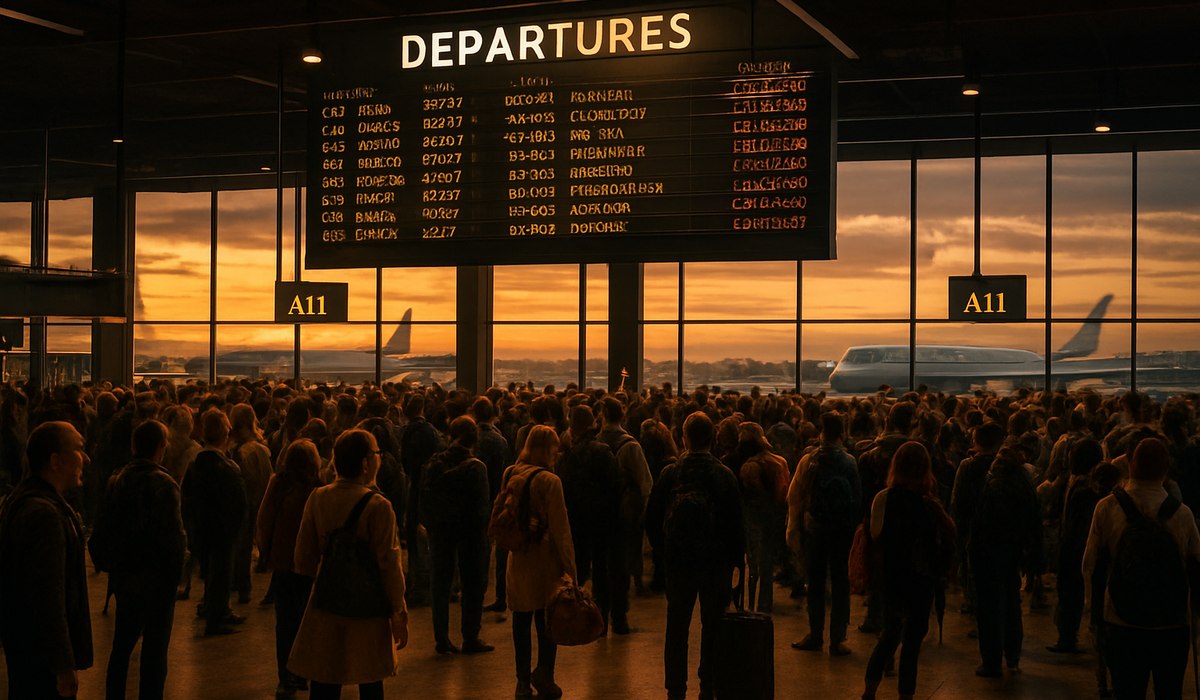
Image generated by AI
Major Disruptions Hit South America's Busiest Airport Hub
São Paulo–Guarulhos International Airport experienced significant operational strain this weekend as flight delays snarl activities across South America's most critical aviation network. More than 50 flights reported delays while 3 services faced outright cancellation, disrupting travel for thousands of passengers connecting through Brazil's primary international gateway. The disruption cascaded across services operated by LATAM, Azul, and GOL—the region's three dominant carriers—affecting narrow-body shuttle services and cross-border flights linking São Paulo with Rio de Janeiro, Buenos Aires, and Lima.
The weekend incident underscores how concentrated operations at a single mega-hub create vulnerability when ground-level disruptions accumulate. Guarulhos functions as the central connection point for all three major Brazilian carriers, meaning schedule irregularities on trunk routes propagate rapidly across their entire regional networks, compounding passenger delays and missed connection risks.
Dozens of Flights Affected Across Regional Network
Operational data compiled from aviation tracking platforms and airport performance reports documented 53 delayed departures and arrivals, alongside three cancellations during peak travel windows. The disruption primarily affected short-haul regional services operated on narrow-body aircraft rotating between Brazil's Southeast corridor and neighboring South American countries.
Flight delays snarl activities included shuttle rotations on the São Paulo–Rio de Janeiro air bridge, international services to Argentine hubs, and longer regional links extending toward Peru. Extended ground holds and late inbound arrivals compounded connection risks, forcing passengers to endure extended journey times even when aircraft ultimately departed.
The pattern reveals how cascade effects work within hub networks. A single cancellation forces aircraft and crew reassignments, creating secondary delays that propagate through subsequent flight rotations. With Guarulhos handling over 200,000 monthly passengers across its three major carriers, even modest disruptions generate exponential downstream effects across South American networks.
For real-time tracking of affected services, check FlightAware, which provides live updates on delays and cancellations across Brazilian airports.
Impact on Key Routes to Rio de Janeiro, Buenos Aires, and Lima
The São Paulo–Rio de Janeiro corridor, one of South America's busiest aviation markets, absorbed repeated schedule adjustments as airlines worked to absorb late-running aircraft. LATAM and GOL operate frequent daily shuttles between Guarulhos and both Galeão and Santos Dumont airports in Rio, with multiple services departing behind schedule during the disruption cycle.
Connections between Guarulhos and Buenos Aires experienced similar friction, with GOL, LATAM, and partner carriers operating six to eight daily services on this route. Extended turnaround times created elevated missed-connection risks for passengers traveling onward to secondary cities across Argentina and Southern Brazil.
On the longer São Paulo–Lima regional sector, LATAM's hub-to-hub connection pattern proved particularly vulnerable. Lima functions as a primary gateway for Andean connections and Pacific coast destinations. Late Guarulhos departures extended knock-on effects to Cusco, La Paz, and Santiago, where aircraft and crew arrived outside scheduled connection banks.
Passengers booking multi-leg regional itineraries faced compounded risk. Tight connection windows between short-haul shuttles and longer regional services mean disruption on any single leg can derail entire day-of travel plans, particularly when minimum connection times remain narrow.
Cascading Delays Hit Brazil's Big Three Carriers
LATAM, Azul, and GOL collectively operate over 70% of Brazilian regional air traffic and maintain dense scheduling through Guarulhos as their primary connection hub. Recent performance reports confirm these carriers routinely operate back-to-back rotations with minimal turnaround buffers, leaving little margin for absorption when minor disruptions accumulate.
LATAM, as the largest operator at Guarulhos with dominant market share on Lima and Buenos Aires routes, absorbed a substantial portion of recorded delays. The carrier's complex connection architecture—particularly its hub-to-hub strategy linking Guarulhos with Lima and Buenos Aires—amplifies sensitivity to ground-level disruptions.
Azul, which historically emphasized operational reliability and diversified hub operations from Campinas, nonetheless experienced service impacts where its Guarulhos capacity intersected with wider traffic flows. The carrier's regional expansion strategy depends heavily on Guarulhos connections.
GOL maintains strong presence on Southeast shuttle routes and Argentina services. Its frequent rotations on the Rio corridor mean any Guarulhos congestion translates directly into cascading late arrivals and departures affecting downstream regional networks.
Brazilian air traffic authorities have documented ongoing challenges maintaining on-time performance during peak periods when weather, airspace constraints, and ground handling bottlenecks converge simultaneously.
Real-Time Tracking and Regulatory Resources
Passengers experiencing delays can monitor current conditions through FlightAware, the industry standard for real-time flight tracking across South American airports. The platform provides live radar data, gate assignments, and delay cause information for flights operating from Guarulhos.
For regulatory information about passenger rights and compensation eligibility under Brazilian aviation law and IATA guidelines, consult the U.S. Department of Transportation resources on international flight delay rights. While U.S.-focused, these standards align with similar protections offered across IATA member networks including Brazil.
The FAA maintains coordination protocols with Brazilian air navigation services (ANAC), which may provide updated operational guidance during extended disruption events.
What Travelers Should Know
Extended delays and cancellations at Guarulhos trigger specific passenger protections and compensation entitlements. Understanding your rights and available options helps minimize financial impact and logistical disruption.
Compensation eligibility generally applies to EU/IATA flights delayed over three hours at final destination or cancelled within 14 days of the disruption, typically ranging from €250–€600 depending on flight distance. Brazilian carriers generally honor these standards despite operating outside EU jurisdiction.
Meal and accommodation support becomes mandatory after four-hour waits, with airlines obligated to provide accommodation and meal vouchers plus communication assistance (phone calls, emails) at no passenger cost.
Rebooking options must be offered on the next available flight at no additional charge, or passengers may request full refunds. Most major carriers provide automatic rebooking on partner airlines when their own flights cannot depart.
Travel insurance claims often cover additional expenses incurred due to airline-caused disruption, particularly coverage for missed connections, hotel stays, and meal costs—retain all receipts for reimbursement documentation.
Traveler Action Checklist
-
Verify your flight status by checking FlightAware or your airline's official app before arriving at the airport; avoid showing up for potentially cancelled flights.
-
Screenshot and document your booking confirmation, boarding passes, and any communications from your airline showing delays or cancellations for future compensation claims.
-
Request written confirmation from airline staff regarding delay causes, expected departure times, and compensation eligibility before accepting alternative arrangements.
-
Photograph all receipts for meals, hotels, transportation, and communication costs incurred due to delays—airlines must reimburse documented reasonable expenses under IATA rules.
-
File compensation claims directly with your airline within 30 days (or via aviation ombudsman services if airlines decline), keeping copies of all correspondence for regulatory submission.
-
Contact your travel insurance provider immediately if your policy covers flight disruption, providing supporting documentation of delays exceeding your policy threshold.
-
Check airline network status pages for South American services at [FlightAware
Disclaimer
This article is for informational and educational purposes only. It does not constitute legal, financial, or professional advice. While we strive to provide accurate and up-to-date information, travel policies, regulations, and conditions change rapidly. Always verify information with official sources before making travel decisions. Nomad Lawyer makes no representations about the accuracy, reliability, completeness, or suitability of the information provided. Readers should consult qualified professionals for advice specific to their circumstances. The views expressed in this article are those of the author and do not necessarily reflect the views of Nomad Lawyer.
Kunal K Choudhary
Co-Founder & Contributor
A passionate traveller and tech enthusiast. Kunal contributes to the vision and growth of Nomad Lawyer, bringing fresh perspectives and driving the community forward.
Learn more about our team →