
Flight Chaos Brazil: 86 Delays Strand Passengers Across São Paulo, Rio, Brasília
Brazil's three busiest airline hubs ground to a halt on April 9-10, 2026, as 86 flight delays and 42 cancellations strand hundreds of passengers. LATAM, Gol, and Azul struggle with cascading operational failures.

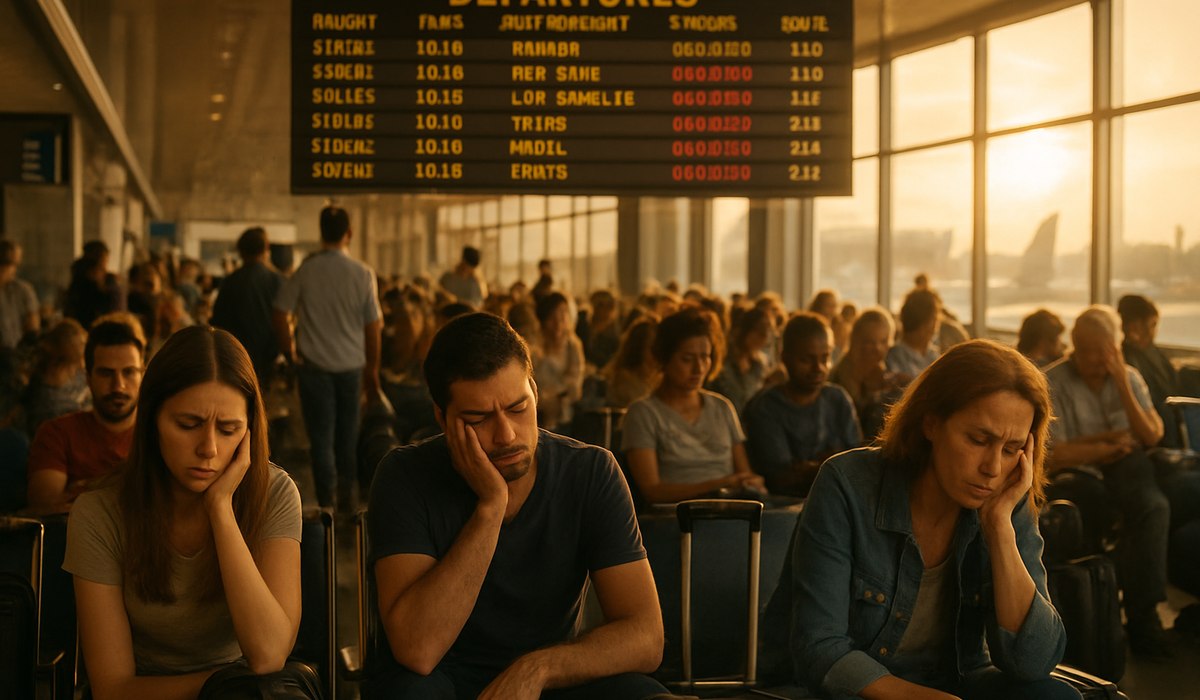
Image generated by AI
Flight Chaos Brazil: Major Disruption Leaves Hundreds Stranded
Brazil's three busiest airline hubs came to a grinding halt on April 9-10, 2026, when operational failures triggered the worst cascade of flight chaos in months. A staggering 86 flight delays and 42 cancellations across São Paulo, Rio de Janeiro, and Brasília left hundreds of passengers stranded in terminals, on tarmacs, and scrambling for alternative connections. LATAM, Gol, and Azul—Brazil's three major carriers—each struggled with compounding disruptions that rippled across the nation's domestic network. The event underscores just how fragile Brazil's high-frequency shuttle ecosystem becomes when a single technical failure occurs at peak operational hours.
Operational Snag Ripples Through Brazil's Busiest Corridors
The flight chaos Brazil episodes erupted during peak business travel hours on April 9-10, when a technical interruption in São Paulo's airspace management system triggered immediate cascading failures. Flights connecting São Paulo with Rio de Janeiro and Brasília registered disproportionate impact, as these routes form the backbone of Brazil's domestic air network. Morning and early-afternoon departures experienced the heaviest concentration of disruptions, with short-haul shuttles between Congonhas and Guarulhos airports hit especially hard.
The initial technical glitch lasted less than an hour, yet its domino effect persisted throughout the entire operational day. Aircraft rotations fell out of sequence. Crews bumped up against duty-time limits. Gate and ground stand availability evaporated. Each cancelled flight created a cascade of missed connections, particularly devastating for passengers using São Paulo and Brasília as transfer hubs. Check FlightAware for real-time tracking updates on Brazil's major routes during recovery operations.
Technical Issues in São Paulo Trigger Wider Network Disruption
A temporary closure of airspace operations over São Paulo on the morning of April 9 served as the primary catalyst for cascading flight chaos Brazil across all three hubs. Local traffic management systems experienced a technical failure that forced immediate suspension of departures and arrivals at Congonhas and Guarulhos—Brazil's two busiest airports. Aircraft already in flight held positions. Queued departures delayed their pushbacks. Incoming flights diverted to secondary airports.
Once systems were reset and capacity gradually restored, a massive bottleneck materialized. Hundreds of aircraft suddenly competed for limited departure and arrival slots. Turnaround times stretched from 45 minutes to over two hours. The congestion spread throughout Brazil's domestic grid because São Paulo functions as the central hub for connections to Rio de Janeiro, Brasília, and secondary cities across the northeast and interior regions.
LATAM, Gol, and Azul each issued separate operational notices acknowledging multiple cancellations and diversions. However, the combined effect meant that no single carrier could absorb the demand or reroute passengers efficiently. Subsequent flight rotations to other regions began April 10 already significantly off-schedule, extending the disruption window well beyond the initial technical incident.
Three Major Carriers Struggle with Cascading Delays
LATAM Airlines, Brazil's largest carrier, reported elevated delay levels across core routes including São Paulo-Rio de Janeiro and São Paulo-Brasília. The carrier's dependency on São Paulo's constrained airspace meant that its morning and midday schedule suffered disproportionately. By afternoon, LATAM began consolidating lightly booked flights and reallocating equipment—measures that provided minimal immediate relief for stranded passengers.
Gol Airlines encountered similar challenges, with public statements acknowledging multiple suspensions at São Paulo's primary airports. The carrier's extensive domestic network amplified the disruption's reach, as delays in the capital region cascaded into secondary city connections operated by Gol's regional partners.
Azul, the third major player, likewise reported significant cancellations and diversions. The airline's focus on secondary cities meant that Brasília-based disruptions particularly impacted its operations, as the carrier maintains substantial capacity on routes from Brasília to interior destinations.
Together, the three carriers' inability to absorb the April 9-10 disruption highlights structural vulnerabilities in Brazil's domestic aviation network when congestion strikes during peak demand periods.
| Metric | Value | Impact |
|---|---|---|
| Total Flight Delays | 86 flights | São Paulo, Rio, Brasília hubs |
| Total Cancellations | 42 flights | Primarily domestic routes |
| Initial Technical Outage | <1 hour | Airspace closure, São Paulo |
| Duration of Cascading Delays | 14+ hours | April 9 through April 10 |
| Passenger Impact | 500+ (estimated) | Stranded across three hubs |
| Most Affected Route | São Paulo-Rio de Janeiro | "Air bridge" shuttle service |
| Primary Carriers Affected | LATAM, Gol, Azul | All three majors impacted equally |
What Passengers Need to Know Now
Hundreds of travelers remain in negotiation with airlines regarding rebooking, compensation, and accommodation. The Brazilian aviation authority has not yet issued formal compensation guidelines specific to this April 2026 incident. However, European Union regulations (applicable to flights departing EU airports) and U.S. Department of Transportation rules (applicable to flights to/from the United States) both mandate carrier liability for delays exceeding three hours and all cancellations caused by operational failures rather than extraordinary circumstances.
For passengers affected by the flight chaos Brazil disruptions, immediate action is essential. Contact your airline directly via phone or airport customer service desk—email responses typically lag 48 hours or more during crisis periods. Request written confirmation of your original booking, cancellation notification, and rebooking or compensation options. Retain all boarding passes, receipts for meals and accommodation, and documentation of delays. Check the U.S. Department of Transportation consumer rights portal for guidance on filing formal complaints if carriers deny compensation within 30 days.
International travelers arriving on long-haul flights into São Paulo or Rio de Janeiro who experienced missed connections may qualify for additional compensation under IATA Resolution 802, which covers airline liability for missed connections. Document everything, including original and revised flight segments, passenger names, confirmation numbers, and all communications with airline staff.
Traveler Action Checklist
-
Verify your flight status on FlightAware or your airline's official website before traveling to the airport.
-
Contact your airline immediately if your flight was delayed more than 3 hours or cancelled. Request written confirmation of the disruption cause.
-
Request rebooking on alternative flights with the same carrier or competitors at no additional cost if your airline cannot offer same-day replacement service.
-
Collect receipts and documentation for all meals, accommodation, ground transportation, and communication costs incurred due to delays or cancellations.
-
File a formal compensation claim with your airline within 30 days, referencing EU261 or DOT regulations depending on flight origin/destination.
-
Monitor airline statements for updates on recovery timelines and schedule restoration across São Paulo, Rio de Janeiro, and Brasília routes.
-
Consider travel insurance claims if your policy covers airline-caused disruptions; submit claims with supporting documentation within policy timeframes.
-
Document any missed connections to downstream destinations; you may qualify for additional liability compensation beyond the primary flight delay.
FAQ
**Q: What caused the flight chaos Brazil on April 9-10,
Disclaimer
This article is for informational and educational purposes only. It does not constitute legal, financial, or professional advice. While we strive to provide accurate and up-to-date information, travel policies, regulations, and conditions change rapidly. Always verify information with official sources before making travel decisions. Nomad Lawyer makes no representations about the accuracy, reliability, completeness, or suitability of the information provided. Readers should consult qualified professionals for advice specific to their circumstances. The views expressed in this article are those of the author and do not necessarily reflect the views of Nomad Lawyer.
Kunal K Choudhary
Co-Founder & Contributor
A passionate traveller and tech enthusiast. Kunal contributes to the vision and growth of Nomad Lawyer, bringing fresh perspectives and driving the community forward.
Learn more about our team →